Peter Obi Criticises FG Borrowing, Says Loans Not Translating to Economic Growth
Borrowing Without Growth? Peter Obi Challenges FG’s Debt Utilisation
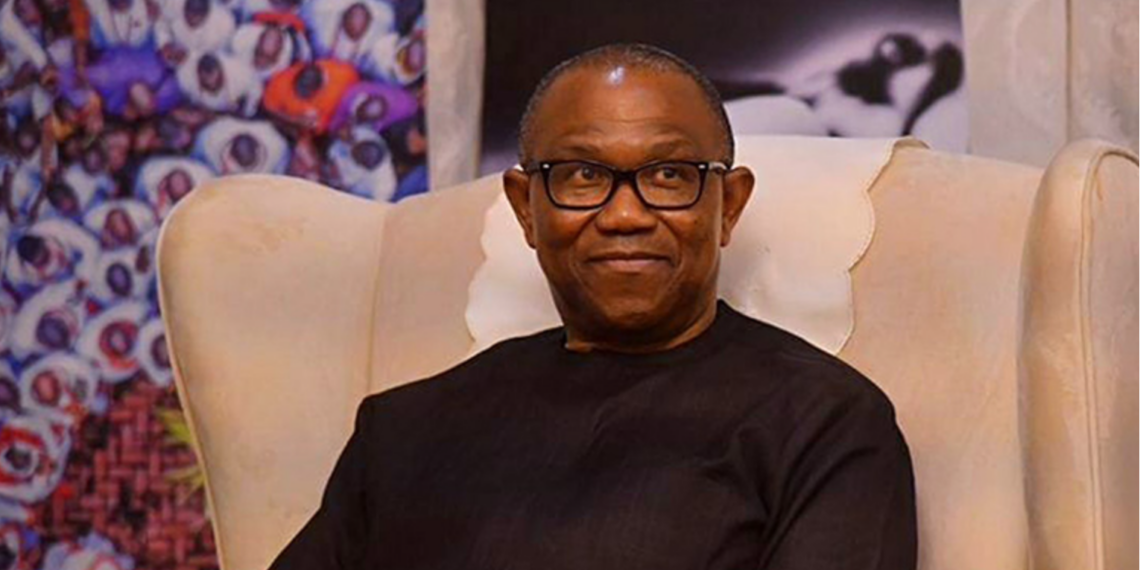
Former Anambra State governor, Peter Obi, has criticised the Federal Government’s borrowing strategy, arguing that Nigeria’s rising debt profile has not translated into commensurate economic growth. He made this assertion on April 30, 2026, highlighting concerns about fiscal sustainability and the productivity of borrowed funds.
/ You Might Also Like /
Concerns Over Debt and Economic Output
Obi stated that while borrowing can serve as a legitimate tool for financing development, Nigeria’s current debt trajectory raises critical questions about efficiency and outcomes. He argued that loans should directly support productive investments capable of stimulating economic expansion, job creation, and infrastructure development.
According to him, the country’s increasing debt burden has yet to deliver measurable improvements in key economic indicators, including industrial output and poverty reduction. He emphasised that borrowing without clear economic returns places long-term pressure on public finances and limits future fiscal flexibility.
Nigeria’s Debt Profile in Context
Nigeria’s public debt has grown significantly in recent years, driven by fiscal deficits, revenue shortfalls, and increased spending needs. Data from the Debt Management Office (DMO) shows that the country’s total public debt has crossed ₦120 trillion, reflecting both domestic and external borrowings.
Despite this expansion, economic growth has remained modest. Nigeria’s GDP growth rate has hovered below population growth, indicating declining per capita income. Analysts note that this trend underscores concerns about whether borrowed funds are being channelled into high-impact sectors.
Productivity Versus Consumption
A central theme in Obi’s critique is the distinction between borrowing for consumption and borrowing for investment. He argued that debt-financed spending must prioritise sectors such as infrastructure, manufacturing, and agriculture, which can generate sustainable returns.
He warned that using loans to finance recurrent expenditure or non-productive activities weakens the economy’s capacity to repay debt. This approach, he noted, risks creating a cycle where new borrowing is required to service existing obligations.
Policy Implications for Fiscal Management
Obi’s remarks contribute to ongoing debates about Nigeria’s fiscal policy direction. Economists and policy analysts have repeatedly called for improved revenue generation, better expenditure efficiency, and stricter debt management frameworks.
The Federal Government has maintained that borrowing remains necessary to bridge infrastructure gaps and support economic recovery. Officials argue that many projects funded through loans, particularly in transport and energy, will yield long-term benefits.
However, the effectiveness of these investments continues to attract scrutiny, particularly in light of rising debt servicing costs. According to the Central Bank of Nigeria (CBN), a significant portion of government revenue is allocated to servicing debt, reducing fiscal space for other priorities.
Outlook for Nigeria’s Debt Strategy
The debate over borrowing and growth is likely to remain central to Nigeria’s economic policy discussions. Stakeholders increasingly demand transparency, accountability, and measurable outcomes from debt-financed projects.
Going forward, aligning borrowing with clearly defined development goals and strengthening institutional oversight will be critical to ensuring that debt contributes to sustainable economic growth. Without such alignment, concerns about debt sustainability and economic stagnation may persist.
READ MORE