Enugu Records ₦101.8bn Revenue, ₦43.9bn IGR in Q1 2026

Revenue Growth Continues in Enugu with ₦101.8bn Recorded in Q1 2026
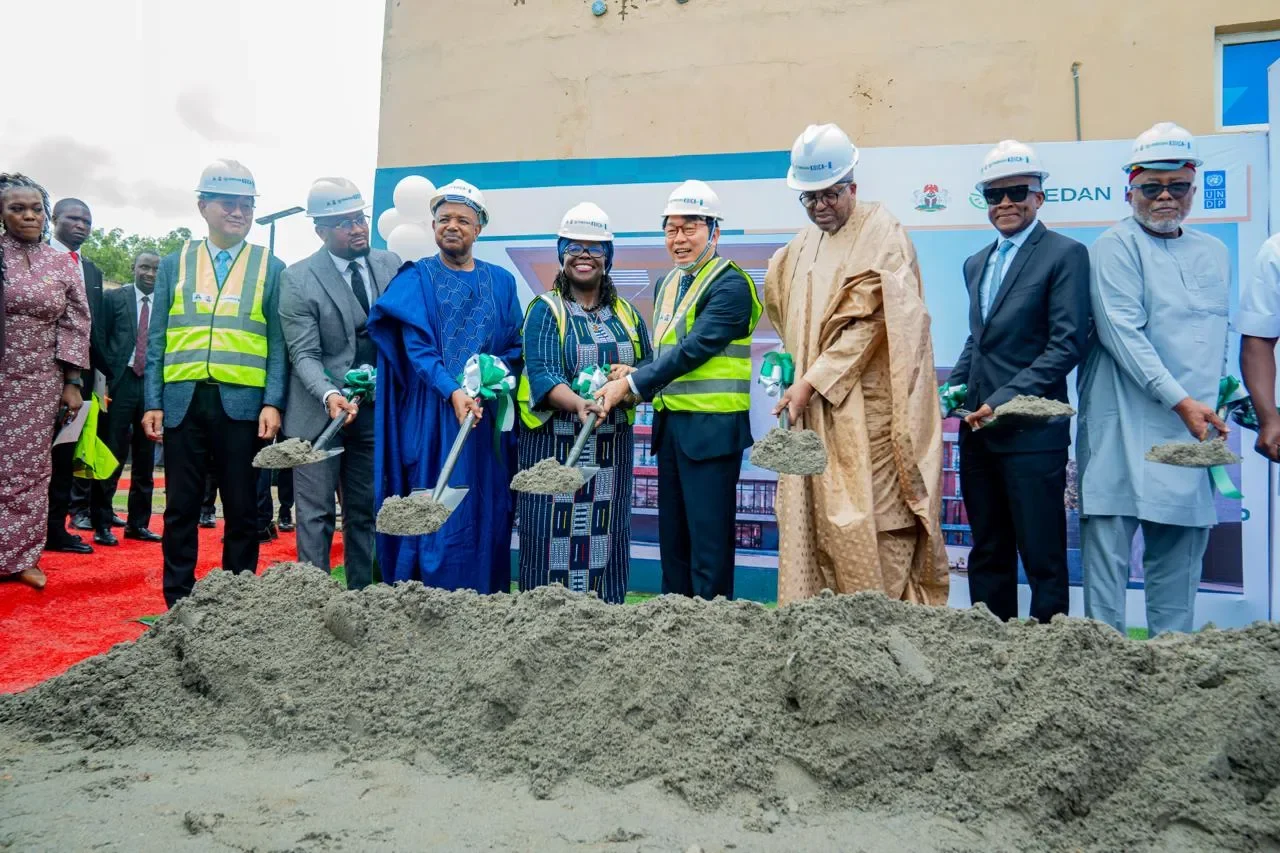
The Enugu State Government recorded ₦101.8 billion in total revenue in the first quarter of 2026, with internally generated revenue (IGR) contributing ₦43.9 billion. The figures reflect continued fiscal expansion under the state’s revenue reform programme, which prioritises asset optimisation, improved tax compliance, and reduced dependence on federal allocations.
/ You Might Also Like /



Revenue Composition and Performance
Available data indicates that IGR accounted for a significant share of the state’s total revenue in the period, reinforcing Enugu’s strategy of strengthening domestic revenue mobilisation. Comparable reporting shows that IGR stood at approximately ₦43.96 billion within a broader revenue pool exceeding ₦100 billion in Q1 2026.
The state also received allocations from the Federation Account Allocation Committee (FAAC), which, alongside other inflows and opening balances, contributed to the overall revenue position. This diversified structure highlights a hybrid fiscal model combining federal transfers with increasingly robust internal revenue streams.
Drivers of Revenue Growth
Enugu’s revenue expansion builds on structural reforms implemented over the past three years. The state has significantly scaled its IGR from ₦26.8 billion in 2022 to over ₦406 billion in 2025, driven largely by non-tax revenue sources such as asset recovery and commercialisation initiatives.
Key contributors to IGR in early 2026 include state-owned enterprises, land-related revenues, and personal income taxes. Notably, revenue from aviation operations and land transactions has emerged as a growing component of internally generated funds.
These trends reflect a deliberate shift away from traditional tax dependence towards a broader revenue base anchored on state assets and economic activity.
Fiscal Strategy and Policy Context
The state government has adopted a reform-driven fiscal strategy focused on transparency, technology deployment, and expansion of the tax net without increasing rates. Officials attribute improved performance to digital revenue collection systems and stricter enforcement mechanisms designed to plug leakages.
The approach aligns with a broader objective to achieve fiscal sustainability and reduce reliance on FAAC disbursements. Enugu has set an ambitious IGR target of ₦870 billion for 2026, signalling continued confidence in its revenue model.
Implications for Infrastructure and Investment
Strong revenue performance enhances the state’s capacity to finance capital projects, including infrastructure, healthcare, and education. In Q1 2026, capital expenditure accounted for a substantial portion of total spending, indicating a focus on long-term development priorities.
For investors, sustained revenue growth signals improving fiscal stability and governance capacity. A stronger internal revenue base reduces exposure to federal allocation volatility and supports more predictable project financing.
However, analysts highlight the importance of balancing non-tax and tax revenues to ensure sustainability. Heavy reliance on asset-based income may introduce volatility if not complemented by stable tax inflows.
Enugu’s ₦101.8 billion revenue performance in Q1 2026, with ₦43.9 billion generated internally, underscores the state’s evolving fiscal capacity and reform trajectory. While the growth reflects effective revenue mobilisation strategies, long-term sustainability will depend on maintaining a balanced revenue structure, strengthening transparency, and translating fiscal gains into measurable economic development outcomes.
READ MORE