Luanda
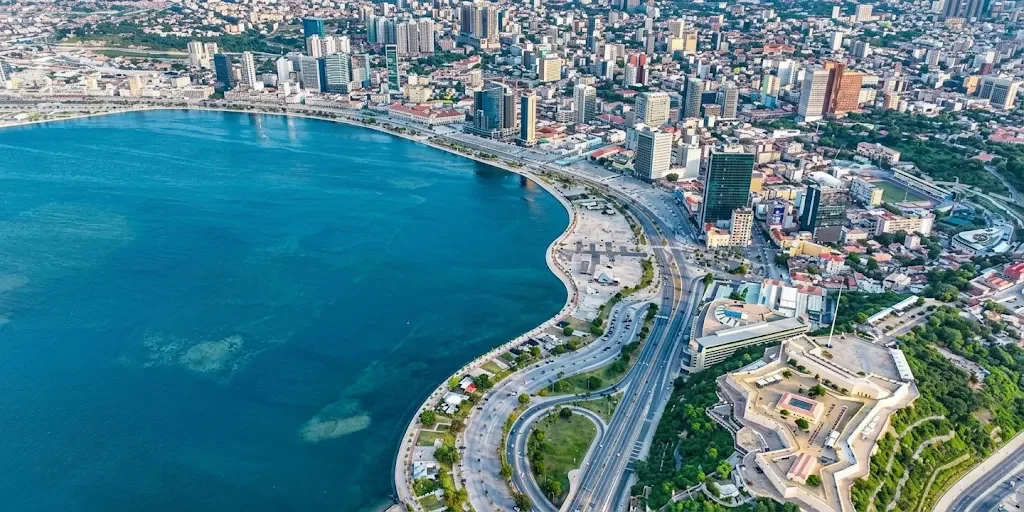
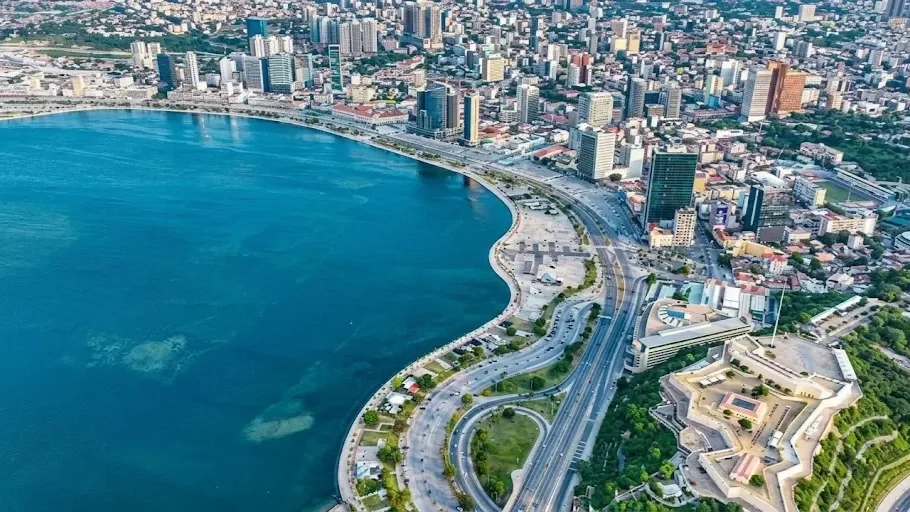
Angola’s capital, Luanda, is projected to overtake Lagos as Sub-Saharan Africa’s most populous city by 2050, with its population expected to rise by 78% over the next 25 years, according to new World Bank projections.
The report, Sub-Saharan Africa’s Urban Awakening: Catalyzing Economic Growth and Job Creation, estimates that Luanda’s population will increase from 11.4 million in 2025 to 20.3 million by 2050.
/ You Might Also Like /




Lagos, which currently ranks as the region’s most populous city under the report’s estimates, is projected to grow from 12.8 million to 16.2 million over the same period, representing an increase of more than 25%.
The projections mean Luanda could add approximately 8.9 million residents over the period, compared with 3.4 million for Lagos, giving the Angolan capital a projected population advantage of about 4.1 million by 2050.
Despite the change in ranking, Lagos will remain one of the region’s major urban and economic centres.
African Cities Face Rapid Population Growth
The projected shift between Luanda and Lagos reflects a wider demographic transformation across Sub-Saharan Africa.
The World Bank estimates that the region’s urban population will increase by approximately 748 million between 2025 and 2050, reaching about 1.7 billion people when cities, towns and peri-urban areas are considered.
Other cities are also expected to experience substantial growth. Bamako, Mali, is projected to increase its population by 80%, from 4.2 million in 2025 to 7.6 million by 2050, while Mogadishu, Somalia, is expected to grow by 64%, reaching 7.2 million.
The report also projects that Kinshasa, Dar es Salaam and Addis Ababa will remain among the region’s major urban centres as their populations expand.
Nigeria will retain a significant presence in the region’s urban landscape. However, Kano is projected to grow by 31% and leave the top 15 most populous cities by 2050, while Onitsha is expected to increase from 5.6 million residents in 2025 to 8.7 million.
Housing and Infrastructure Will Determine Urban Growth Outcomes
The scale of projected population growth raises significant questions about housing supply, land administration, transport infrastructure and access to essential services across African cities.
For Lagos, an additional 3.4 million residents by 2050 will increase demand for residential property, public transport, roads, water, sanitation and other urban services.
The challenge extends beyond constructing more homes. Governments must ensure that new housing developments connect residents to employment centres, transport networks and essential infrastructure. Without coordinated planning, population growth could deepen existing problems such as overcrowding, informal settlements, congestion and rising housing costs.
The World Bank recommends that governments prioritise investment in affordable housing, transport systems and infrastructure while improving urban planning and attracting private-sector investment.
It also highlights the importance of preparing land for infrastructure before urban expansion makes development more difficult and expensive. This includes reserving land for roads and public services, strengthening local government financing and improving the regulatory environment for investment.
For property developers, these priorities could create opportunities in affordable housing, serviced land, infrastructure-linked developments and new urban growth corridors.
Job Creation Remains a Critical Challenge
The report cautions that rapid urbanisation does not automatically translate into higher productivity, stronger economies or improved living standards.
Sub-Saharan Africa needs to create approximately 15 million jobs annually to keep pace with its expanding workforce. Cities must therefore connect population growth with productive economic activity, rather than simply accommodate more residents.
Transport accessibility, reliable infrastructure, effective land-use planning and stronger urban institutions will influence whether expanding cities can attract businesses and create employment.
For Lagos, the projected population increase reinforces the importance of aligning its long-term development ambitions with housing delivery, mobility infrastructure and job creation.
The state has outlined plans to build an economy worth nearly $1 trillion by 2052. Achieving that ambition will require urban infrastructure and housing systems capable of supporting a growing population and a more productive workforce.
Although Luanda may overtake Lagos in population by 2050, the broader challenge for both cities will be converting demographic growth into better housing conditions, economic opportunities and improved urban living standards.
READ MORE