OPEC+ Approves Third Consecutive 188,000 bpd Output Increase
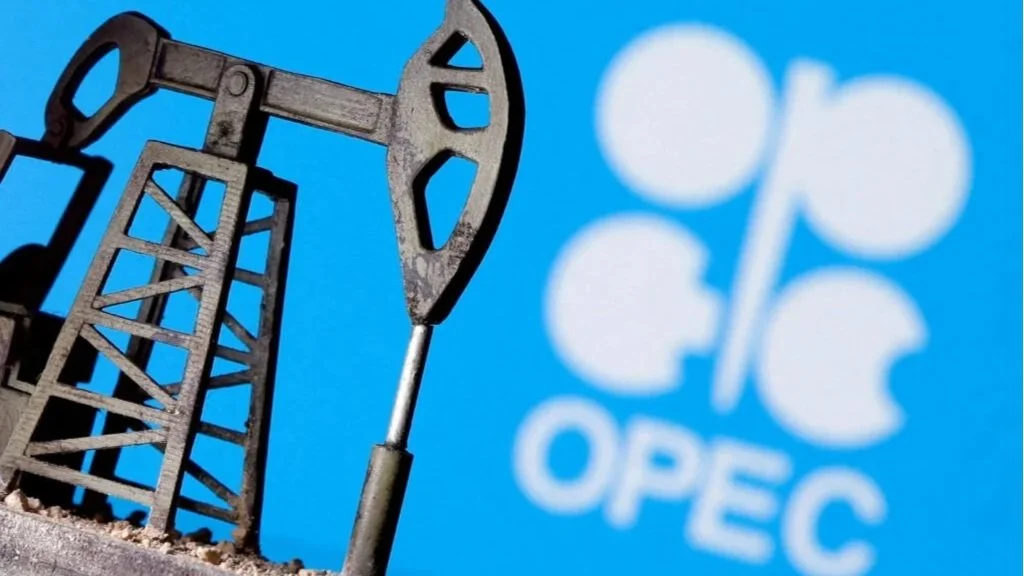
OPEC+ Approves Another 188,000 bpd Oil Output Increase for August
The Organization of the Petroleum Exporting Countries and its allies (OPEC+) has approved another 188,000 barrels per day (bpd) increase in oil production quotas for August, continuing its gradual strategy to restore crude supplies to the global market. The decision was reached during a virtual meeting of seven participating member countries, including Saudi Arabia, Russia, Iraq, Kuwait, Kazakhstan, Algeria and Oman.
/ You Might Also Like /




The latest increase matches the production adjustments approved for both June and July, underscoring OPEC+'s commitment to a phased reversal of the voluntary output cuts introduced in 2023. The alliance said it will continue to review market conditions monthly and retains the flexibility to pause, increase or reverse production adjustments if necessary.
OPEC+ Continues Gradual Supply Restoration
According to the group's official statement, the August production adjustment forms part of the ongoing phase-out of the additional voluntary production cuts implemented in April 2023 to stabilise the global oil market.
OPEC+ said the phased increases are designed to support market stability while allowing member countries to compensate for previous overproduction. The alliance also reaffirmed that future production decisions will depend on evolving market conditions and compliance with agreed quotas.
The next meeting of the participating countries is scheduled for 2 August 2026, when members will assess market developments and determine production levels for September.
Global Oil Market Faces Growing Supply
The latest production increase comes as global oil markets adjust to improving supply conditions following easing geopolitical tensions in key oil-producing regions.
Additional crude supply from OPEC+ could place downward pressure on international oil prices if demand growth slows or inventories continue to rise. Brent crude recently traded at around $72 per barrel, below recent highs, reflecting improving market sentiment and expectations of increased supply.
Market analysts note that the alliance remains focused on maintaining price stability while avoiding excessive supply that could trigger a sharp decline in crude prices.
Implications for Nigeria
The decision carries significant implications for Nigeria, where crude oil exports remain a major source of government revenue and foreign exchange earnings.
While higher OPEC+ production quotas could improve export opportunities for member countries able to increase output, additional global supply may also contribute to lower oil prices, potentially reducing export earnings if prices weaken significantly.
According to official data referenced by Nairametrics, Nigeria's combined crude oil and condensate production averaged 1.73 million barrels per day in May 2026, compared with the Federal Government's 2026 budget benchmark of 1.84 million barrels per day and an upper production target of 2.06 million barrels per day. The 2026 budget is also based on an oil price benchmark of $64.85 per barrel.
For Nigeria, sustained improvements in production volumes will remain essential to offset any decline in global crude prices and protect government revenues.
Impact on Fiscal and Economic Outlook
The OPEC+ decision comes as Nigeria continues implementing fiscal reforms while monitoring developments in international energy markets.
Oil revenues play a critical role in financing infrastructure projects, capital expenditure and public services. Consequently, prolonged weakness in global crude prices could place additional pressure on budget implementation, even if domestic production improves.
Economists have consistently argued that increasing non-oil revenue and accelerating economic diversification remain essential to reducing Nigeria's exposure to fluctuations in international oil markets.
Looking Ahead
OPEC+'s decision to approve another 188,000 bpd production increase reflects the alliance's cautious approach to restoring global crude supply while maintaining flexibility to respond to changing market conditions. The phased strategy is expected to continue in the coming months as members balance supply growth with price stability.
For Nigeria and other oil-exporting economies, the combination of higher production quotas and potentially softer oil prices underscores the importance of improving production efficiency, strengthening fiscal resilience and diversifying revenue sources to reduce dependence on crude oil exports.
READ MORE