Alleged ₦8.8 Trillion Unreported Spending Dominates Public Debate After IMF Disclosure
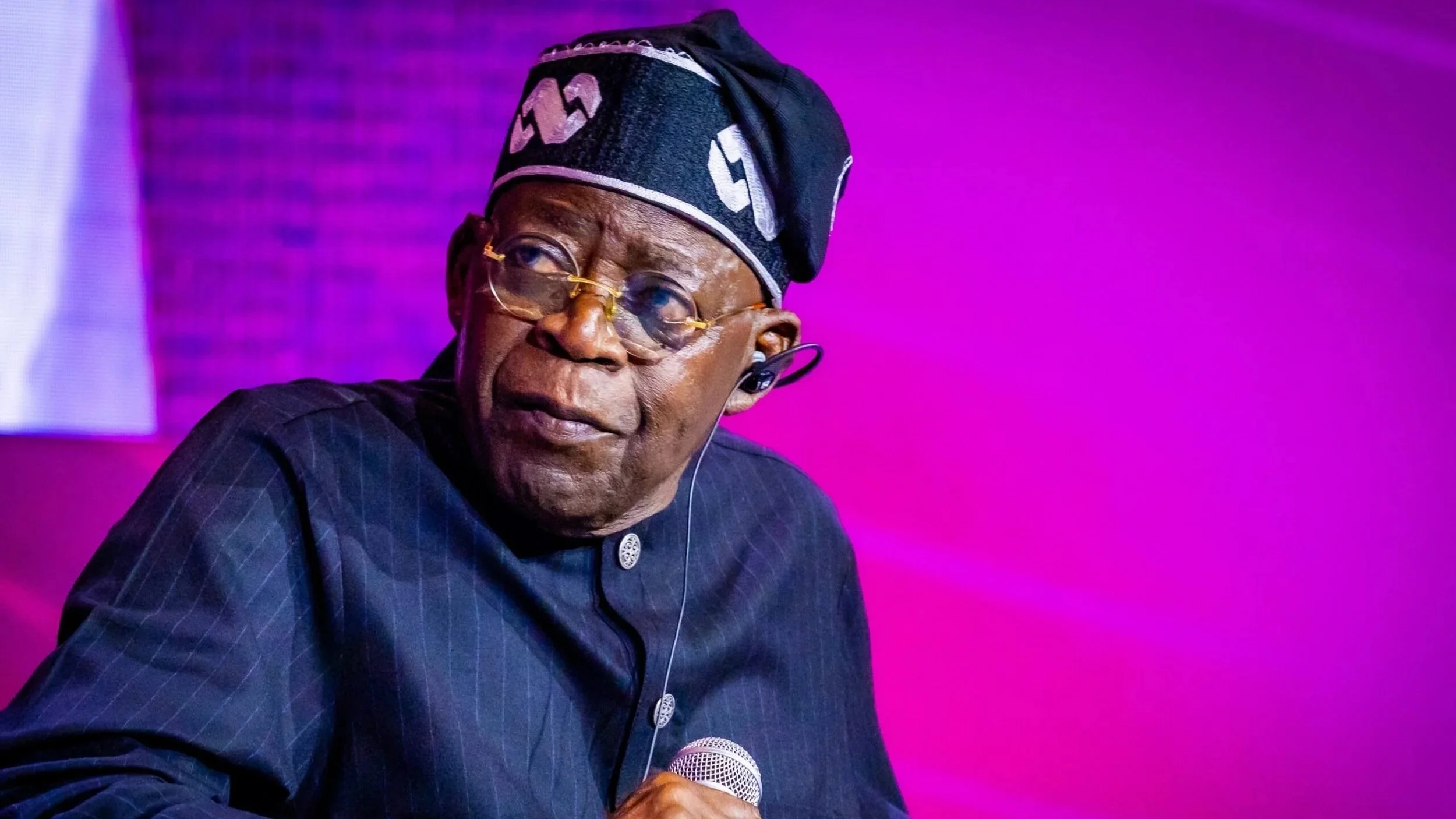
IMF's ₦8.8 Trillion Spending Disclosure Triggers Nationwide Debate
Public debate over Nigeria's fiscal transparency has intensified after the International Monetary Fund (IMF) disclosed that government expenditure equivalent to approximately 2% of the country's Gross Domestic Product (GDP) was not fully reflected in recent official budget reporting. Based on Nigeria's estimated GDP, the amount has been widely estimated at about ₦8.8 trillion, triggering widespread reactions from politicians, policy analysts and members of the public.
/ You Might Also Like /




The controversy emerged after IMF Resident Representative in Nigeria, Christian Ebeke, stated that certain government expenditures had not been fully captured in official fiscal reports, creating a statistical discrepancy that understates Nigeria's actual financing requirements. The IMF, however, did not describe the expenditure as missing funds or allege that it had been illegally diverted.
IMF Disclosure Fuels Public Debate
The IMF's observations quickly gained traction on social media, where Nigerians questioned the implications of the reported discrepancy for fiscal transparency, budget credibility and public accountability.
Many commentators argued that expenditure of such magnitude should be clearly reflected in official fiscal documents to enable effective legislative oversight and informed public scrutiny. Others expressed concern that incomplete reporting could affect confidence in Nigeria's public financial management system.
The IMF explained that the discrepancy relates primarily to expenditure reporting rather than allegations of fraud or missing public funds. According to the Fund, certain capital projects and fiscal obligations executed outside the standard budget presentation were not fully reflected in headline fiscal accounts, making the fiscal deficit appear smaller than the government's actual financing needs.
Political Leaders Respond
The disclosure prompted reactions from opposition figures, including former Vice President Atiku Abubakar, who described the reported discrepancy as a serious fiscal governance issue and called for investigations by oversight institutions, including the National Assembly, the Economic and Financial Crimes Commission (EFCC), the Independent Corrupt Practices and Other Related Offences Commission (ICPC) and the Office of the Auditor-General for the Federation.
Other political commentators also questioned the government's fiscal reporting practices, while several public affairs analysts argued that stronger transparency measures would improve confidence in Nigeria's budget process.
Federal Government Rejects Allegations
The Federal Government has rejected claims that it secretly spent more than ₦8 trillion outside the approved 2026 budget.
In a statement issued by the Minister of Finance and Coordinating Minister of the Economy, Taiwo Oyedele, the government said reports describing the expenditure as a "shadow budget" misrepresented the IMF's findings. According to the ministry, all federal spending is undertaken within constitutional and statutory provisions, including Appropriation Acts, Supplementary Appropriation Acts, statutory transfers and other mechanisms approved by the National Assembly.
The ministry further clarified that the IMF's observations concern the comprehensiveness and presentation of fiscal reporting rather than the legality of government expenditure, adding that ongoing reforms aim to harmonise Nigeria's budget framework with international reporting standards.
Why the Debate Matters
The controversy has renewed attention on fiscal transparency at a time when Nigeria is implementing economic reforms and seeking to strengthen investor confidence.
Economists note that comprehensive fiscal reporting enables policymakers, investors and development partners to accurately assess government finances, debt sustainability and borrowing requirements. Improvements in budget reporting are also regarded as essential for effective fiscal planning and public accountability.
For infrastructure, housing and capital projects, transparent reporting provides greater visibility into government spending priorities and supports confidence among investors participating in public-sector development programmes.
Looking Ahead
The debate surrounding the IMF's disclosure highlights the importance of transparent public financial management and comprehensive fiscal reporting. While the Federal Government insists that all expenditure has legal backing and that the IMF's comments have been misinterpreted, the discussion has intensified public interest in how government finances are presented and monitored.
As Nigeria continues fiscal reforms, policymakers, investors and oversight institutions are expected to pay closer attention to efforts aimed at improving budget transparency, strengthening reporting standards and aligning public financial management with international best practices.
READ MORE