Erosion, flooding and desertification are increasing pressure on Nigerian communities
Environmental degradation, flooding, erosion and desertification are threatening homes, infrastructure and livelihoods across Nigeria, raising concerns about the long-term sustainability of urban development and property investment.
Environmental researcher Dr Abba Maigida raised the concerns during the presentation of his book, People, Nature and Environment: Pathways to Sustainable Development, where he called for development policies that balance economic growth with environmental protection and improved living conditions.
/ You Might Also Like /




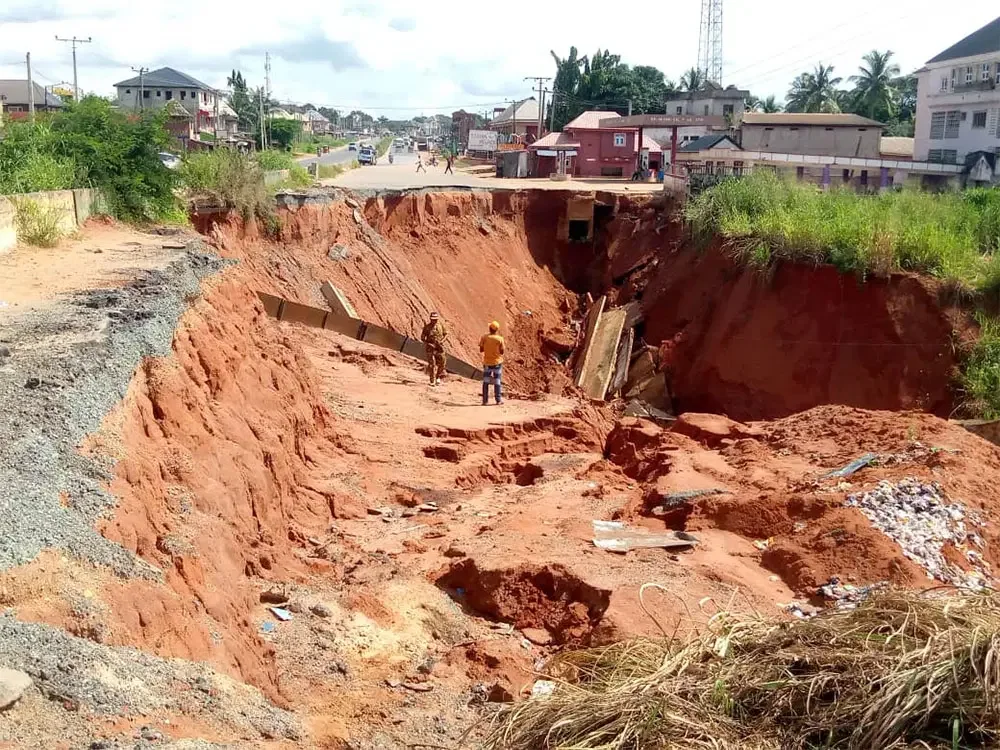
Drawing on more than two decades of public service and field observations, Maigida identified different environmental pressures across the country. He said gully erosion in eastern Nigeria had destroyed homes, roads and farmlands, while desert encroachment in northern communities threatened agricultural activities and rural livelihoods.
He also highlighted recurring flooding in the Middle Belt, which has displaced families and damaged properties, as well as rapid urbanisation in Lagos and Abuja, where growing populations are putting pressure on housing, infrastructure and the environment.
The concerns highlight the growing exposure of Nigerian communities and property assets to environmental risks, particularly where development takes place without adequate land-use planning and supporting infrastructure.
Erosion and Flooding Increase Risks to Homes and Property
Gully erosion and flooding pose direct threats to residential buildings, roads, commercial properties and other infrastructure.
In parts of south-eastern Nigeria, expanding gullies have damaged settlements and agricultural land, while flooding in other regions has displaced households and destroyed properties.
The risks extend beyond the immediate destruction of buildings. Erosion can undermine foundations, damage access roads and make affected land unsuitable for development. Flooding can also weaken structures, destroy household assets and increase the cost of property maintenance and recovery.
For property developers, these environmental conditions create additional considerations when selecting land and planning new projects. Locations exposed to recurrent flooding, unstable soil or inadequate drainage may require more substantial engineering interventions and risk mitigation measures.
Nigeria's climate risk assessments also identify flooding, landslides and gully erosion as significant threats to infrastructure, agricultural land and livelihoods, particularly in vulnerable ecological zones.
Desertification Threatens Land Resources and Rural Communities
Maigida also raised concerns about desert encroachment in northern Nigeria, where land degradation and shrinking natural resources threaten agriculture and rural livelihoods.
Desertification reduces the productivity of land and places additional pressure on communities that depend on agriculture and livestock. It can also contribute to migration as households seek more viable locations for economic activities and settlement.
The effects have implications for housing and urban development because environmental pressures in rural areas can increase demand for accommodation and public services in receiving towns and cities.
A 2025 warning by Nigeria's Federal Government estimated that desertification and land degradation had affected 43% of the country's landmass and disrupted the livelihoods of more than 40 million people.
Addressing the challenge requires land restoration, sustainable land management, improved water management and coordinated environmental policies.
Rapid Urbanisation Adds Pressure to Lagos and Abuja
The environmentalist identified rapid urbanisation in Lagos and Abuja as another challenge, particularly as population growth increases demand for housing, roads and essential services.
Urban expansion can intensify environmental risks when residential and commercial developments extend into poorly serviced areas without adequate drainage, waste management and infrastructure planning.
In cities such as Lagos, inadequate drainage and development in flood-prone locations can increase the vulnerability of homes and commercial properties during periods of heavy rainfall.
The pressure is not limited to flooding. Unregulated construction can also affect natural drainage channels, wetlands and other environmental systems that help manage surface water.
For Nigeria's property market, this creates a need for stronger development controls, better drainage infrastructure and more effective enforcement of building and environmental regulations.
Housing Policy Must Account for Environmental Sustainability
Maigida argued that environmental protection and housing policy should form part of the same development conversation.
He also expressed concern about public servants who approach retirement without access to decent accommodation, describing their experiences as evidence of the need to reconsider Nigeria's housing policies and development priorities.
His argument highlights two connected challenges: expanding access to adequate housing while ensuring that new developments do not expose residents to avoidable environmental risks.
Increasing housing supply without appropriate land assessment, drainage systems, infrastructure and environmental safeguards could create additional long-term costs for households and governments.
For developers, environmental considerations should therefore influence site selection, building design, construction methods and the provision of supporting infrastructure.
Environmental Protection Requires Stronger Planning and Investment
The book's reviewer, Professor Ishaya Sunday of the University of Abuja, described it as an interdisciplinary examination of environmental protection, human development, governance and sustainable development.
The 21-chapter publication addresses issues including biodiversity conservation, water and food security, waste management, ecosystem restoration, climate adaptation, sustainable cities and environmental governance.
Sunday noted that the book connects environmental conditions with human welfare, arguing that damage to natural systems ultimately threatens the communities that depend on them.
Retired General Alwali Jauji Kazir also warned that environmental degradation could create wider economic and security challenges through displacement, shrinking water resources and competition over land and other natural resources.
He called for practical measures, including environmental restoration, renewable energy, improved water management and stronger environmental governance.
Property Developers and Investors Face Growing Environmental Risks
The warnings carry implications for property investors and developers assessing Nigeria's residential and commercial real estate markets.
Environmental risks can affect land values, construction costs, insurance considerations, property maintenance and the long-term viability of developments. Properties located in vulnerable areas may also face higher expenditure on drainage, erosion control and structural protection.
Governments and developers will need to place greater emphasis on environmental assessments, flood-risk mapping, sustainable drainage and the protection of natural water channels when planning new developments.
For Nigeria's housing market, the challenge is not only to deliver more homes but to ensure that residential communities remain safe, accessible and resilient to environmental pressures.
The growing threat from erosion, flooding and desertification reinforces the need to integrate environmental protection into housing policy, infrastructure investment and urban planning. Without stronger coordination, the physical and financial costs of environmental degradation could undermine the benefits of new development.
READ MORE