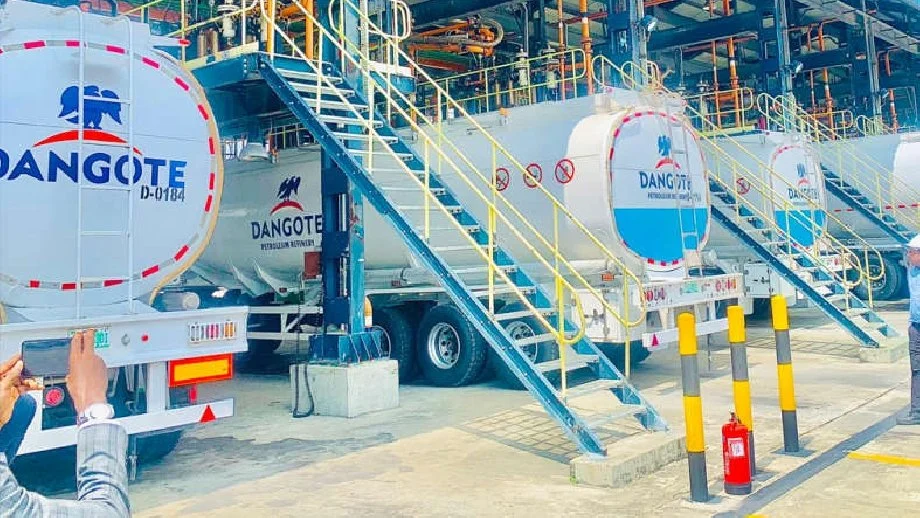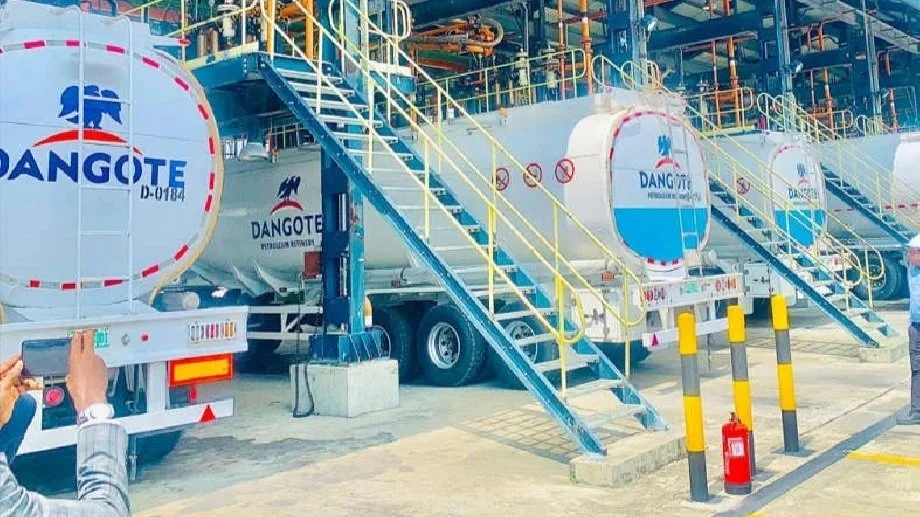
The Dangote Petroleum Refinery exported an average of 54.63 million litres of refined petroleum products daily in September 2026, exceeding the volume supplied to Nigeria's domestic market as the facility expanded its presence in international fuel markets.
Data from the Nigerian Midstream and Downstream Petroleum Regulatory Authority (NMDPRA) show that the refinery's exports covered petrol, diesel and aviation fuel, reflecting a growing shift towards international sales alongside domestic distribution.
/ You Might Also Like /




The figures highlight the changing role of Nigeria's largest refinery in the downstream petroleum market. While increased production has helped reduce dependence on imported refined products, the latest export figures raise questions about domestic supply priorities, fuel availability and the impact of refinery distribution decisions on the local market.
Petrol, Diesel and Aviation Fuel Drive Export Growth
The refinery's September export volumes covered three major petroleum products.
It exported an average of 15.47 million litres of petrol daily, compared with domestic deliveries of 28.5 million litres.
Diesel exports reached 15.91 million litres daily, while domestic deliveries stood at 8.14 million litres.
Aviation fuel exports were higher, reaching 23.25 million litres daily, reflecting the refinery's growing participation in international jet fuel markets.
Combined, the three products accounted for the reported 54.63 million litres of daily exports.
The figures show that exports exceeded domestic deliveries when the three product categories are considered together. However, petrol alone continued to record higher domestic deliveries than exports.
Refinery Production Increases Despite Lower Domestic Petrol Deliveries
The refinery produced an average of 47.22 million litres of petrol daily in September, representing an increase from 41.94 million litres recorded in August.
Its average capacity utilisation also rose from 105.21% to 105.98%, indicating production above its installed capacity of 650,000 barrels per day.
Despite the increase in output, domestic petrol deliveries declined by approximately 21% to 28.5 million litres daily, from 35.87 million litres in August.
At the same time, petrol exports increased by approximately 59%, rising from 9.73 million litres to 15.47 million litres daily.
The refinery also added approximately 3.25 million litres of petrol to its daily stock balance, closing September with 366.2 million litres in inventory.
The figures indicate that higher production did not translate into increased domestic deliveries during the month, as exports and inventory accumulation accounted for a larger share of available output.
Nigeria's Petrol Supply Falls as Imports Also Decline
The refinery's export expansion coincided with a decline in Nigeria's overall petrol supply during September.
NMDPRA data showed that total daily petrol receipts fell by 23% to 38.7 million litres, from 50.5 million litres in August.
Domestic refinery deliveries declined by 21% to 28.5 million litres daily, while petrol imports fell by 30% to 10.2 million litres.
However, petrol consumption, measured by volumes transported into the domestic market, increased by 7% to 44.4 million litres daily.
This meant that daily petrol receipts fell below estimated consumption during the month, creating a gap of approximately 5.7 million litres.
The regulator's figures also showed that national petrol stock cover stood at 23.9 days, below its 30-day benchmark.
Although domestic refining remained the largest source of petrol supply, the decline in both local deliveries and imports placed additional pressure on available market volumes.
Diesel and Aviation Fuel Exports Expand International Reach
The refinery's growing export volumes also reflect its increasing participation in international markets beyond petrol.
Diesel exports reached 15.91 million litres daily in September, an increase of approximately 82% from 8.75 million litres in August. Domestic diesel deliveries, however, declined from 12.37 million litres to 8.14 million litres daily.
Aviation fuel exports stood at 23.25 million litres per day, highlighting the refinery's growing role in supplying international aviation markets.
The expansion follows a broader increase in Nigeria's refined petroleum shipments since the Dangote refinery began operations.
The US Energy Information Administration reported that Nigeria's seaborne petroleum product exports averaged 350,000 barrels per day in the second quarter of 2026, compared with an annual average of 46,000 barrels per day in 2023.
The growth reflects the country's transition from a major importer of refined petroleum products towards becoming an increasingly significant supplier to international markets.
Domestic Fuel Availability Remains a Key Market Concern
The increase in exports presents a changing picture for Nigeria's downstream petroleum sector. Domestic refining capacity has expanded, but higher production and export volumes do not automatically guarantee sufficient supplies in the local market.
The September figures illustrate this distinction. Although Dangote increased petrol production, domestic deliveries declined while imports also fell.
The resulting supply gap coincided with higher petrol prices in several parts of the country. NMDPRA's indicative petrol prices ranged from approximately ₦1,371 per litre in Lagos to ₦1,465 in Maiduguri during September.
For consumers and businesses, the availability and cost of refined products remain important considerations, particularly as petrol and diesel influence transportation, power generation and distribution expenses.
The effect extends to the construction and property sectors, where fuel costs influence the movement of building materials, operation of construction equipment and provision of electricity in residential and commercial developments.
Refinery Expansion Could Strengthen Nigeria's Export Position
Dangote Group has outlined plans to expand its refining operations further, including a proposed second crude distillation unit with a capacity of 750,000 barrels per day by 2028.
If implemented, the expansion could increase Nigeria's ability to supply refined products to domestic and international markets.
However, the longer-term impact will depend on crude supply, production costs, distribution infrastructure and the commercial decisions governing how much output is allocated to domestic customers and export markets.
For Nigeria, the central challenge is to ensure that the growth of its refining industry supports both international competitiveness and reliable domestic fuel availability.
The September figures demonstrate the scale of Dangote Refinery's export operations, but they also underline the importance of monitoring local deliveries, consumption and inventory levels as the country's downstream petroleum market continues to change.
READ MORE