Nwosu Hails Wike's Infrastructure Drive, Cites Abuja's Ongoing Transformation
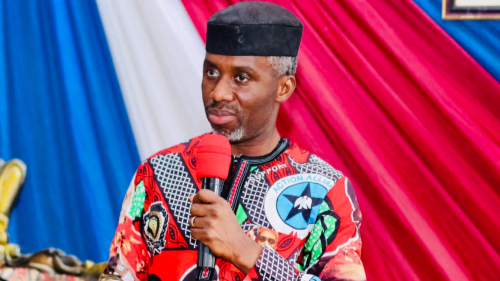
Nwosu Applauds FCT Administration's Road and Urban Renewal Initiatives
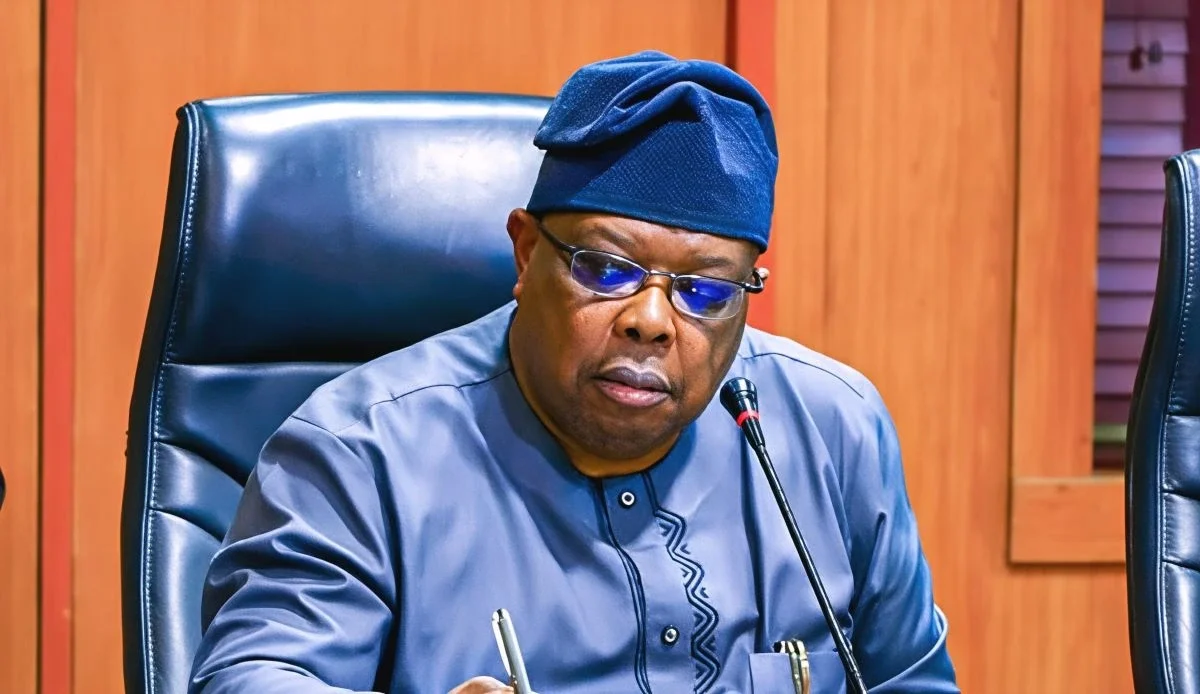
Former Chief of Staff to a former Governor of Imo State and former governorship candidate, Ugwumba Uche Nwosu, has commended the Minister of the Federal Capital Territory (FCT), Nyesom Wike, for the ongoing infrastructure development across Abuja, describing the projects as visible evidence of purposeful governance and urban transformation. According to Nwosu, the scale of road construction, bridge development and public infrastructure delivery under the current FCT administration has significantly improved connectivity and enhanced the capital city's outlook.
/ You Might Also Like /




Speaking during a news conference in Abuja, Nwosu said residents and visitors could easily observe the impact of the ongoing infrastructure investments across key districts and satellite communities. He noted that the projects reflect a deliberate effort to modernise the Federal Capital Territory and improve the quality of life for residents.
Major Road Projects Highlighted
Nwosu pointed to several high-profile infrastructure projects as evidence of the administration's performance, including the Apo Road project, Maitama Bridge, Jahi Bridge, Jahi-Gwarimpa Interchange, Airport Expressway-Kuje Road, Kuje-Gwagwalada Road, the Outer Southern Expressway (OSEX) main carriageways and the adjoining road networks in Katampe District.
According to him, many of these projects have addressed longstanding transportation challenges and improved movement within Abuja and its surrounding communities.
"I have lived in Abuja for more than 25 years and I know what many of these roads looked like before now," Nwosu said while referencing the visible improvements taking place across the city.
The projects highlighted by Nwosu are among several infrastructure initiatives recently completed or nearing completion under the FCT Administration. Earlier this month, Wike announced that major infrastructure projects across Abuja city centre and satellite towns had reached full completion and were ready for inauguration.
Infrastructure as a Driver of Urban Development
Nwosu stressed that one of the fundamental responsibilities of government is the provision of infrastructure and the delivery of tangible benefits to citizens. He argued that investments in roads, bridges and public facilities remain critical to supporting economic growth, reducing travel times and stimulating urban development.
Urban planning experts have long maintained that infrastructure development plays a central role in shaping property markets and attracting private investment. Improved road networks often unlock new development corridors, increase land values and create opportunities for residential, commercial and industrial expansion.
Recent road projects in Abuja have already begun influencing development patterns in several districts. During the commissioning of road infrastructure in Katampe District, FCT officials noted that new road networks had accelerated private-sector investment and increased construction activity in previously underdeveloped areas.
Judges' Quarters Receive Commendation
Beyond transportation infrastructure, Nwosu also praised the construction of judges' quarters in Abuja, describing the project as an important contribution to the welfare and productivity of judicial officers. He noted that improving accommodation and working conditions for public servants remains an important aspect of governance and institutional development.
The judges' quarters project forms part of broader efforts by the FCT Administration to expand public infrastructure and improve government facilities within the capital territory.
According to Nwosu, such investments demonstrate a commitment to strengthening public institutions while supporting the efficient delivery of public services.
Positioning Abuja as a Modern Capital City
Nwosu argued that Abuja must continue evolving into a modern capital city capable of competing with leading capitals around the world. He said sustained investment in infrastructure, environmental management and public services is necessary to maintain the city's status as Nigeria's political and administrative centre.
He added that continued improvements in roads, transportation systems, security and sanitation would enhance the experience of residents, businesses and visitors while supporting long-term economic growth.
The former governorship candidate noted that infrastructure development should remain a continuous process, with future interventions extending to additional government institutions, communities and public facilities across the territory.
Implications for Housing and Real Estate
For the housing and real estate sector, the ongoing infrastructure expansion in Abuja carries significant implications.
Improved road networks and urban infrastructure typically increase accessibility, reduce commuting times and encourage residential development in emerging districts. Areas connected by new roads often experience increased investor interest as developers seek to capitalise on improved connectivity and rising demand.
Projects such as the Airport Expressway-Kuje Road, Kuje-Gwagwalada Road and Katampe road networks are expected to enhance access to growth corridors that could support future housing developments and mixed-use projects.
Industry analysts note that infrastructure-led development remains one of the most effective tools for expanding housing supply, attracting investment and supporting sustainable urban growth.
Outlook
As Abuja continues to experience rapid population growth and urban expansion, infrastructure investment is expected to remain a priority for the FCT Administration. Several major projects have recently been completed, while others are expected to support improved connectivity between the city centre and satellite towns.
Stakeholders across the housing, construction and real estate sectors will be watching closely to assess how these investments influence property development, land values and economic activity within the Federal Capital Territory.
Conclusion
Uche Nwosu's endorsement of Nyesom Wike's infrastructure programme highlights growing recognition of the scale of development currently taking place across Abuja. With major road networks, bridges and public facilities either completed or nearing completion, the FCT Administration's infrastructure push is reshaping connectivity and supporting urban growth. For the housing and real estate sector, these investments could unlock new development opportunities while strengthening Abuja's position as one of Nigeria's most important investment destinations.
READ MORE