Jigawa Flood Threat: NOA Urges Residents to End Activities Blocking Waterways
As Flood Risks Rise, NOA Warns Against Human Activities Worsening Flooding
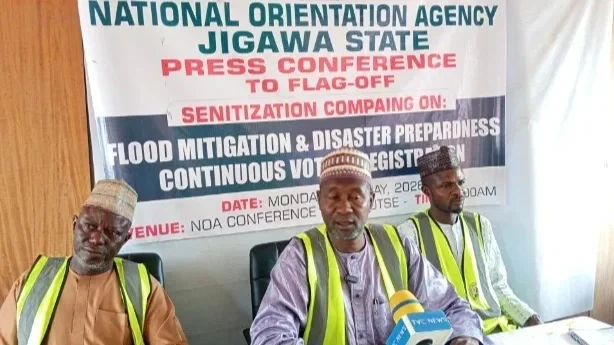
The National Orientation Agency (NOA) has warned residents of Jigawa State against environmental practices that contribute to flooding, as authorities intensify efforts to mitigate the impact of anticipated heavy rainfall during the 2026 rainy season. The agency urged communities to adopt responsible environmental behaviours, particularly in flood-prone areas, to reduce risks to lives, property and critical infrastructure. The warning comes amid broader national concerns over flood vulnerability across several states, including Jigawa, which has been identified among areas facing elevated flood risks this year.
/ You Might Also Like /




According to the agency, human activities such as indiscriminate waste disposal, blockage of drainage channels and encroachment on natural waterways continue to worsen flooding incidents, undermining government investments in flood control and environmental management. The sensitisation campaign forms part of ongoing efforts to improve public awareness and strengthen community resilience ahead of the peak rainfall season.
Growing Flood Concerns Across Jigawa
Jigawa has historically experienced seasonal flooding, particularly in communities located along major river channels and low-lying areas. Authorities have repeatedly warned that increased rainfall intensity, combined with environmental degradation and poor drainage management, has heightened the state's vulnerability to flood disasters.
Recent flood outlook assessments by federal agencies indicate that Jigawa is among the states expected to experience varying degrees of flood risk in 2026. The Nigeria Hydrological Services Agency (NIHSA) identified several communities and local government areas within the state as potentially vulnerable to flooding during the rainy season.
The Federal Government has also warned that more than 14,000 communities across 33 states and the Federal Capital Territory face high flood risks this year, underscoring the scale of the challenge confronting policymakers and local authorities.
Human Activities Continue to Exacerbate Flooding
Environmental experts have long identified human-induced factors as major contributors to recurring flood incidents across Nigeria. Poor waste management practices often result in blocked drainage systems, preventing the free flow of stormwater during periods of heavy rainfall.
In many communities, unregulated development on flood plains and the obstruction of natural water channels have increased the likelihood of flash flooding and prolonged waterlogging. These challenges have become particularly significant in rapidly growing urban and peri-urban settlements where infrastructure development has not kept pace with population growth.
The NOA emphasised that reducing flood risks requires active community participation and greater adherence to environmental regulations. Residents were encouraged to maintain clean drainage networks, avoid dumping refuse into waterways and support local environmental sanitation initiatives.
Public Awareness Seen as a Critical Prevention Tool
The agency noted that public education remains one of the most effective tools for reducing disaster risks. Through community engagement programmes, awareness campaigns and partnerships with local stakeholders, authorities hope to improve understanding of flood prevention measures and encourage behavioural changes that can reduce environmental vulnerability.
Officials stressed that disaster preparedness is not solely the responsibility of government institutions. Rather, effective flood management depends on collaboration between residents, community leaders, environmental agencies and emergency response organisations.
This approach aligns with broader national efforts to strengthen disaster risk reduction strategies and improve early warning systems across flood-prone regions.
Implications for Housing and Community Development
Flooding remains a major threat to housing, infrastructure and livelihoods across many parts of Nigeria. Beyond the immediate risks to human safety, recurring flood events can damage residential properties, disrupt economic activities and increase the cost of infrastructure maintenance.
For communities in Jigawa, improving environmental practices could play a significant role in protecting housing assets and reducing future recovery costs. Urban planners and environmental experts increasingly argue that sustainable land-use planning, effective drainage systems and community awareness programmes must form part of long-term flood resilience strategies.
As climate-related weather events become more frequent and intense, integrating flood risk management into housing and urban development policies is likely to become increasingly important.
Outlook
The National Orientation Agency’s warning highlights the growing urgency of addressing both environmental and behavioural factors that contribute to flooding. While government agencies continue to invest in flood forecasting, emergency preparedness and infrastructure improvements, experts emphasise that community participation remains essential to achieving meaningful results.
With Jigawa among the states facing elevated flood risks during the 2026 rainy season, adherence to environmental best practices, improved public awareness and proactive disaster preparedness measures will be critical in reducing the impact of future flood events. As authorities continue their sensitisation efforts, the effectiveness of these initiatives will depend largely on the willingness of residents to adopt safer and more sustainable environmental practices.
READ MORE