Nigeria Labour Congress clarifies its role in negotiating the national minimum wage
The Nigeria Labour Congress (NLC) has denied negotiating the ₦40,000 consequential salary adjustment granted to federal government workers following the implementation of Nigeria's ₦70,000 national minimum wage in 2024, saying public-sector unions, rather than the national labour centre, negotiated the adjustment.
/ You Might Also Like /




In a statement issued on November 8, 2026, and signed by its Acting General Secretary, Benson Upah, the NLC described claims attributing the ₦40,000 salary adjustment to its leadership as false and a misrepresentation of Nigeria's collective bargaining framework.
The Congress explained that its responsibility in the minimum wage process covers negotiations to establish the national wage floor, while consequential adjustments to existing salary structures fall under the responsibility of unions and negotiating councils within individual sectors.
NLC Explains Its Role in Minimum Wage Negotiations
The NLC said the national minimum wage is negotiated through a tripartite arrangement involving organised labour, government and employers' representatives.
This process determines the minimum amount employers must legally pay workers across the country.
However, the Congress distinguished this responsibility from consequential adjustments, which determine how salary structures change after a new minimum wage takes effect.
Such adjustments help maintain differences in earnings across salary grades, particularly for employees who already earn above the minimum wage.
The NLC maintained that it does not directly negotiate these adjustments with government or private-sector employers. Instead, the relevant sectoral unions and negotiating councils handle discussions on behalf of their members.
It specifically rejected claims that it secured the ₦40,000 across-the-board addition for federal workers, maintaining that the outcome rested with the leadership of public-sector unions.
Public-Sector Unions Responsible for Federal Workers' Adjustments
The Congress identified the Joint Public Service Negotiating Council (JPSNC) as the body responsible for negotiating consequential adjustments involving federal government employees.
The council comprises government representatives and approximately eight public-sector trade unions, whose leadership represents workers during negotiations over salary structures and the implementation of wage agreements.
At the state level, corresponding negotiating councils handle discussions with individual state governments.
For private-sector employees, industrial unions negotiate with employers' associations based on the conditions and wage structures of their respective industries.
The NLC cited negotiations between the Association of Food, Beverage and Tobacco Employers (AFBTE) and the National Union of Food, Beverages and Tobacco Employees (NUFBTE) as an example of sector-specific collective bargaining.
It stressed that although the Congress represents workers across public and private sectors, this representation does not make it the negotiating body for every consequential salary adjustment.
Clarification Comes Ahead of Fresh Minimum Wage Negotiations
The NLC's statement comes as attention turns towards another round of national minimum wage negotiations.
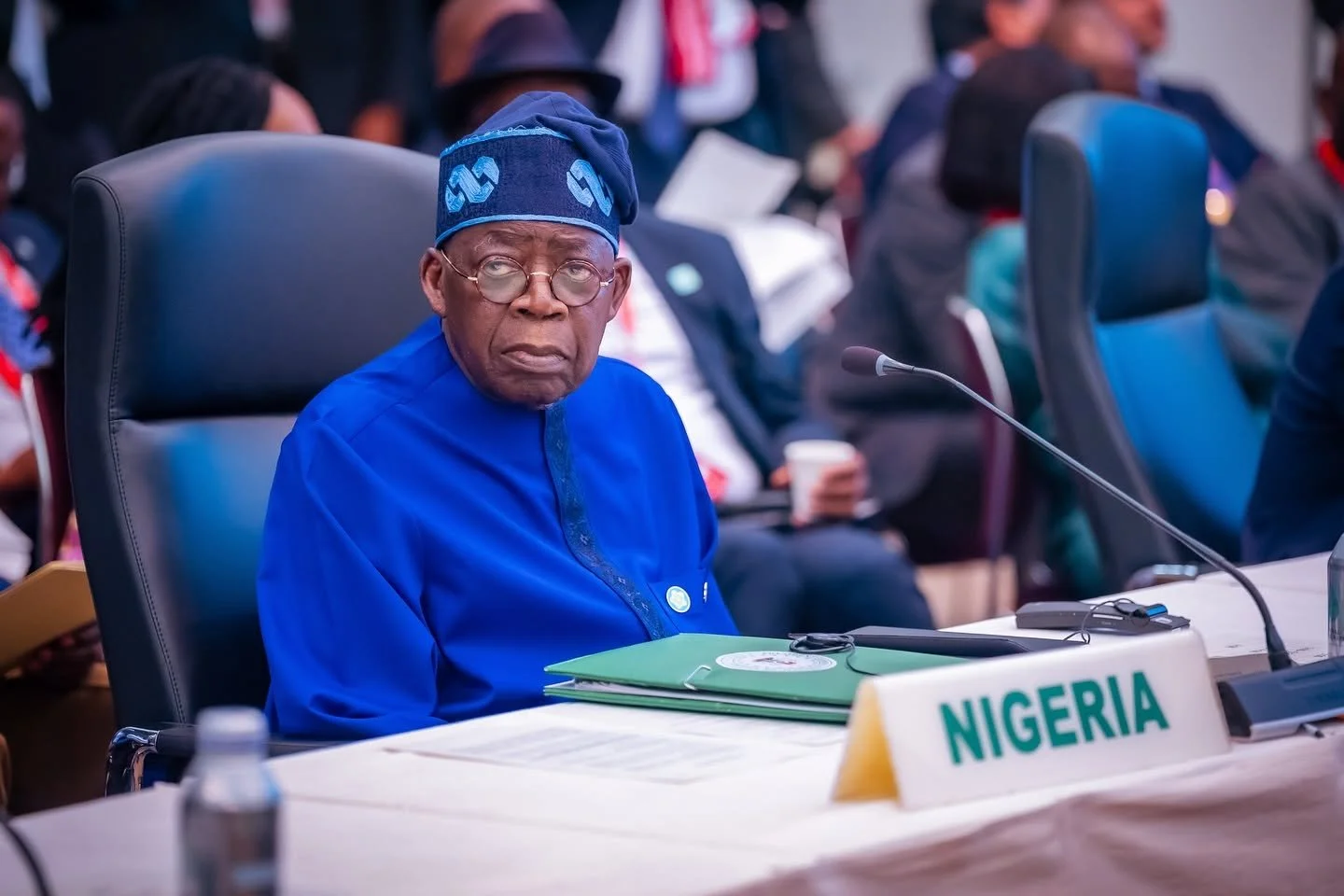
President Bola Tinubu signed the ₦70,000 national minimum wage into law on July 29, 2024, replacing the previous ₦30,000 benchmark and reducing the statutory review cycle from five years to three years.
The new wage framework triggered discussions across different sectors over how existing salary structures should reflect the higher minimum threshold.
The NLC said misinformation about its role in the previous consequential adjustment process could create confusion and divisions within the labour movement ahead of fresh negotiations.
The Congress also reaffirmed its commitment to working with the Trade Union Congress (TUC) and other stakeholders to secure improved earnings for Nigerian workers, with the objective of achieving a wage that more closely reflects the cost of living.
It urged workers to understand the distinction between national minimum wage negotiations and sector-specific consequential adjustments, while holding the appropriate negotiating bodies accountable for their decisions.
The clarification places renewed attention on the institutional responsibilities involved in determining workers' earnings, particularly as organised labour prepares for another phase of minimum wage negotiations.
READ MORE