Nigerians Hold ₦5.19 Trillion Outside Banks Despite Digital Payment Growth
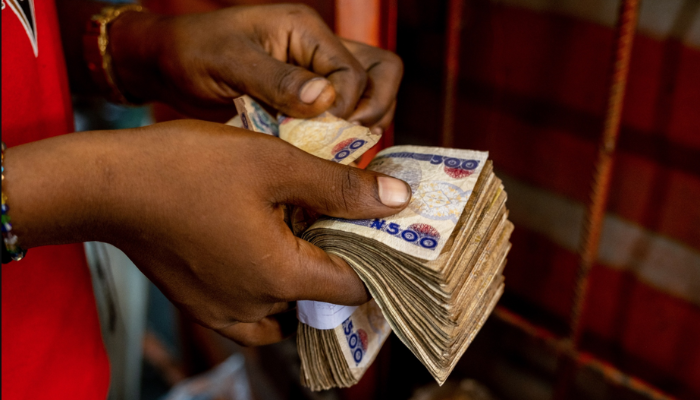
Cash Usage Remains Strong Despite Nigeria’s Digital Finance Drive
Nigerians held approximately ₦5.19 trillion in cash outside the banking system as of May 2026, underscoring the continued reliance on physical currency despite ongoing efforts to promote digital payments and financial inclusion. The latest figures highlight the enduring role of cash in the economy even as electronic transactions, mobile banking and fintech services continue to expand rapidly.
/ You Might Also Like /




The data suggests that a significant portion of currency in circulation remains outside formal financial institutions, reflecting consumer preferences, informal sector activity and persistent challenges related to financial access in parts of the country.
Cash Remains a Major Part of the Economy
Despite substantial growth in digital payment platforms over recent years, cash continues to play a central role in many economic transactions across Nigeria.
Industry analysts attribute the trend to several factors, including the size of the informal economy, limited banking penetration in some rural communities, concerns about transaction costs and the convenience of cash-based transactions for small businesses and households.
The figures indicate that while digital payment adoption has accelerated, many individuals and businesses continue to maintain significant cash holdings outside the banking system.
Digital Finance Growth Continues
Nigeria has experienced rapid growth in digital financial services, driven by increased smartphone penetration, fintech innovation and expanding access to electronic payment channels.
Financial technology companies and commercial banks have invested heavily in digital infrastructure, contributing to record growth in mobile transfers, online banking and electronic payment transactions. Government agencies and regulators have also introduced policies aimed at promoting cashless transactions and strengthening financial inclusion.
However, the latest data demonstrates that digital adoption has not entirely displaced the demand for physical cash.
Implications for Financial Inclusion
The volume of cash held outside banks highlights ongoing challenges within Nigeria’s financial inclusion agenda.
Experts note that bringing more funds into the formal financial system can improve savings mobilisation, increase access to credit and strengthen monetary policy effectiveness. Greater participation in formal banking channels can also support economic transparency and enhance access to financial services for households and businesses.
At the same time, analysts acknowledge that improving financial inclusion requires continued investment in banking infrastructure, digital connectivity and financial literacy programmes.
Impact on Housing and Real Estate
The persistence of large cash holdings outside the banking system has implications for housing finance and property investment.
A stronger banking system with higher deposit mobilisation can improve the availability of long-term financing for mortgages, housing development and infrastructure projects. Increased financial intermediation can also support broader economic growth and investment activity.
Conversely, when significant amounts of money remain outside formal financial institutions, the pool of funds available for lending and investment may be reduced. This can affect access to affordable housing finance and limit capital available for real estate development.
For the housing sector, efforts to deepen financial inclusion and encourage formal savings remain important for expanding access to mortgage financing and supporting long-term sector growth.
Monetary Policy Considerations
Currency held outside banks is closely monitored by the Central Bank of Nigeria because it influences liquidity management and monetary policy transmission.
When large amounts of cash remain outside the banking sector, it can affect the effectiveness of policy measures designed to manage inflation, credit growth and overall economic activity. Economists therefore consider trends in currency circulation and banking deposits important indicators of financial system health.
The latest figures will likely be assessed alongside broader monetary indicators, including money supply growth, banking sector liquidity and inflation trends.
Outlook
Analysts expect digital payments to continue expanding as financial technology adoption grows and banking services become more accessible. However, cash is likely to remain an important medium of exchange for many Nigerians in the near term, particularly within the informal economy.
Future progress in financial inclusion, digital infrastructure development and payment system reliability will play a key role in determining how quickly cash usage declines relative to electronic transactions.
Conclusion
The ₦5.19 trillion held outside Nigeria’s banking system highlights the continued importance of cash in the economy despite significant advances in digital finance. While electronic payments and fintech services continue to gain traction, the latest figures suggest that cash remains deeply embedded in everyday transactions. For policymakers, banks and investors, the challenge remains balancing digital innovation with broader financial inclusion and greater participation in the formal financial system.
READ MORE