Nigeria Receives $3.65bn in World Bank Power Funding, Yet Electricity Challenges Persist
Power Sector Reforms Face Scrutiny as Nigeria Receives $3.65bn in Funding
Nigeria has secured approximately $3.65 billion in funding from the World Bank over the years to support electricity sector reforms, improve power distribution, expand energy access and strengthen transmission infrastructure. Despite these substantial investments, electricity supply challenges continue to affect millions of households and businesses across the country. Persistent issues including inadequate generation, weak transmission networks, distribution inefficiencies, sector debt and infrastructure constraints have limited the impact of reforms and funding interventions. According to reports, the situation has raised renewed questions about the effectiveness of power sector investments and the pace of reform implementation.
/ You Might Also Like /




The development highlights the ongoing challenge of translating financial support into reliable and sustainable electricity access for consumers and businesses.
Billions Invested in Nigeria’s Power Sector
Over the past decade, the World Bank has supported several programmes aimed at strengthening Nigeria’s electricity sector. These initiatives have focused on improving transmission capacity, enhancing the performance of distribution companies, expanding electricity access and supporting sector-wide reforms.
The cumulative value of World Bank-backed projects in the power sector has reached approximately $3.65 billion, making Nigeria one of the largest recipients of energy-sector financing from the institution in Africa. According to previous World Bank-backed programmes, the funding was intended to improve technical performance, strengthen infrastructure and increase access to electricity across the country.
The investments form part of broader efforts to address longstanding structural challenges within the Nigerian electricity market.
Electricity Supply Challenges Continue
Despite substantial funding commitments, electricity supply remains unreliable in many parts of Nigeria.
The country's power sector continues to experience recurring grid collapses, transmission bottlenecks, gas supply disruptions and distribution challenges. These issues have constrained the ability of the sector to deliver consistent electricity to consumers despite reforms introduced over the years.
Industry data indicates that Nigeria possesses an installed generation capacity of approximately 12,500 megawatts, yet actual electricity output often remains significantly below this level due to operational and infrastructure limitations.
As a result, many businesses and households continue to depend on diesel and petrol-powered generators to meet their energy needs.
Distribution Sector Remains a Key Weakness
One of the major challenges identified within the electricity value chain is the performance of distribution companies.
Although the power sector was privatised in 2013 to attract investment and improve efficiency, many distribution companies continue to face financial and technical difficulties. Revenue collection challenges, metering gaps, energy losses and insufficient infrastructure investment have affected service delivery and sector sustainability.
Experts note that improvements in generation alone cannot deliver reliable electricity without corresponding investments in distribution networks capable of efficiently delivering power to end-users.
The financial health of distribution companies remains a critical factor influencing broader sector performance.
Transmission Infrastructure Constraints Persist
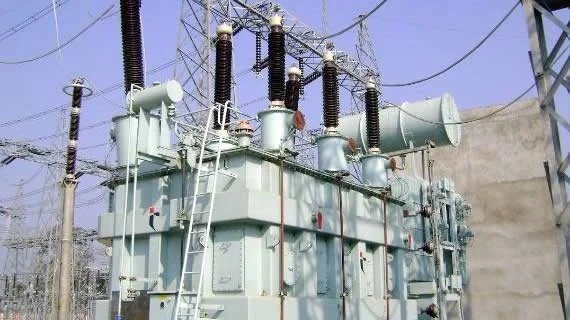
Nigeria’s transmission network continues to represent another significant challenge within the power sector.
Analysts have consistently identified transmission capacity limitations as a major bottleneck affecting electricity delivery. Even when generation capacity improves, the national grid often struggles to transmit available power efficiently across the country.
Aging infrastructure, maintenance challenges and underinvestment have contributed to vulnerabilities within the transmission system.
Sector stakeholders argue that sustained investment in transmission infrastructure remains essential for improving overall electricity reliability and supporting future growth in generation capacity.
Economic Impact of Unreliable Electricity
The continued electricity deficit carries significant economic consequences.
Reliable power supply is widely regarded as a critical requirement for industrial growth, manufacturing competitiveness and business productivity. Frequent power disruptions increase operating costs for businesses that rely on generators and alternative energy sources.
Small and medium-sized enterprises are particularly vulnerable to energy shortages because of the high cost of self-generation.
Economic analysts note that improving electricity supply could enhance productivity, reduce business costs and strengthen Nigeria’s attractiveness as an investment destination.
Reform Efforts and Policy Adjustments
Successive governments have implemented various reforms aimed at addressing structural weaknesses in the power sector.
These efforts have included privatisation, tariff adjustments, regulatory reforms, market restructuring and initiatives designed to attract private investment. The World Bank has also supported measures intended to improve the financial viability of the sector and reduce reliance on government subsidies.
However, stakeholders argue that reform implementation has often been slower than anticipated, limiting the pace of improvement.
Industry experts continue to advocate for stronger governance, regulatory consistency and increased infrastructure investment to accelerate progress.
Growing Demand for Electricity
Nigeria’s rapidly expanding population and economy continue to increase demand for electricity.
Urbanisation, industrialisation and digital economic activity are placing additional pressure on existing infrastructure. As electricity demand grows, the gap between available supply and consumer needs remains a significant policy concern.
Energy experts argue that future investments must focus not only on increasing generation capacity but also on strengthening transmission, distribution and renewable energy deployment.
Meeting future demand will require sustained investment and coordinated policy execution across the entire electricity value chain.
Conclusion
Nigeria’s receipt of approximately $3.65 billion in World Bank power sector funding reflects the scale of international support directed toward addressing the country’s electricity challenges. However, persistent issues across generation, transmission and distribution have continued to limit improvements in electricity supply despite substantial financial investments.
As policymakers pursue further reforms and infrastructure upgrades, attention is increasingly focused on improving implementation, strengthening sector governance and ensuring that future investments translate into measurable improvements in electricity access and reliability. For businesses, investors and households, the performance of the power sector remains a critical factor influencing economic growth, competitiveness and quality of life across Nigeria.
READ MORE