Lagos Retains U.S. Visa Hub Status as America Reduces Processing Centres Across Africa
Lagos Retained as Strategic U.S. Visa Centre Amid Africa-Wide Consolidation
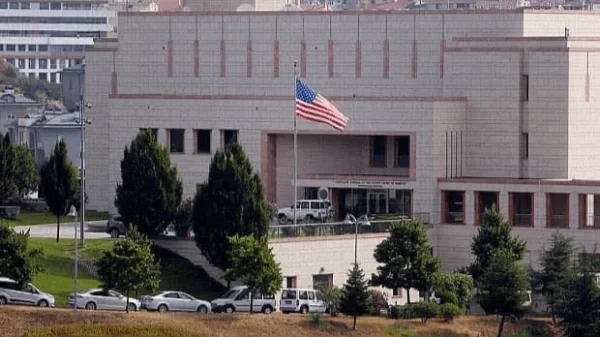
Lagos has been retained as one of only 20 African cities authorised to provide full United States visa processing services under a major restructuring of American consular operations across the continent. The move follows a decision by the U.S. State Department to reduce the number of embassies and consulates handling visa applications in Africa from nearly 50 locations to 20 designated regional hubs. The decision positions Lagos as one of the continent’s most important centres for visa processing and international mobility while reinforcing Nigeria’s strategic role in U.S.-Africa diplomatic and travel relations.
/ You Might Also Like /



The development is expected to have implications for travellers, students, business professionals and investors seeking access to U.S. consular services across West Africa.
U.S. Restructures Visa Processing Operations Across Africa
According to reports citing an internal U.S. State Department memorandum, Washington plans to consolidate visa processing operations across Africa as part of broader efforts to streamline consular services and strengthen immigration controls. Under the proposed arrangement, the number of diplomatic missions handling visa applications will fall from nearly 50 to just 20 designated hubs.
The restructuring forms part of a wider review of immigration and visa administration policies aimed at improving efficiency, centralising operations and enhancing security screening procedures. Officials indicated that affected embassies and consulates will continue providing services for U.S. citizens while routine visa processing activities become concentrated within selected locations.
Lagos Retains Strategic Position
Among the cities selected to maintain full visa-processing capabilities, Lagos stands out as one of Africa’s most significant diplomatic and commercial centres. The city joins other designated hubs including Accra, Nairobi, Johannesburg, Addis Ababa, Dakar and Kigali.
The retention of Lagos reflects Nigeria’s importance as Africa’s largest economy and one of the continent’s biggest sources of travel, business and educational mobility to the United States. Industry observers note that demand for U.S. visas in Nigeria remains among the highest in Africa, supporting Lagos’ continued role as a major processing centre.
For Nigerian applicants, the decision ensures continued access to full visa processing services within the country despite broader reductions elsewhere on the continent.
Potential Impact on Regional Travellers
The consolidation is expected to affect travellers from countries that will no longer host full visa-processing operations. Applicants from those locations may need to travel to designated hub cities such as Lagos to submit applications or attend visa interviews.
Analysts suggest the changes could increase travel costs and logistical requirements for applicants across parts of Africa. Additional demand may also place pressure on appointment availability and processing timelines at designated hubs.
However, retaining Lagos as a regional centre may also create opportunities for increased business activity associated with travel, hospitality and professional services linked to visa processing and international mobility.
Significance for Nigeria’s International Connectivity
The decision reinforces Lagos’ status as one of Africa’s leading gateways for international business, education and travel. As global mobility increasingly depends on efficient consular services, cities that host major visa-processing centres often benefit from stronger international connectivity and greater diplomatic relevance.
Nigeria remains a major source of students, entrepreneurs, professionals and investors seeking opportunities in the United States. Maintaining full visa-processing operations in Lagos helps preserve direct access to these services and reduces the need for Nigerian applicants to seek appointments outside the country.
The development may also strengthen Lagos’ position as a regional hub for international engagement and cross-border movement.
Implications for Education and Business Travel
The availability of visa-processing services is particularly important for students, corporate executives, researchers and entrepreneurs who frequently travel between Nigeria and the United States.
Educational institutions, multinational companies and business organisations often rely on predictable visa-processing systems to facilitate international exchanges and commercial activities. Any reduction in processing capacity can affect mobility, investment decisions and workforce planning.
By retaining its visa hub status, Lagos remains positioned to support these activities while serving a broader regional audience under the new arrangement.
Broader Diplomatic and Economic Context
The restructuring comes amid wider efforts by the United States to review immigration policies and consular operations globally. While the policy is primarily administrative, it also reflects changing approaches to resource allocation, security management and service delivery within diplomatic missions.
For Nigeria, the retention of Lagos as a designated processing centre signals continued recognition of the country's strategic importance in U.S.-Africa relations. Strong diplomatic engagement, economic ties and people-to-people connections remain central components of the bilateral relationship.
Observers note that visa accessibility remains an important factor influencing trade, education, tourism and investment flows between both countries.
Conclusion
Lagos’ inclusion among the 20 African cities retained for full U.S. visa processing services underscores its strategic significance within Africa’s diplomatic and economic landscape. While the U.S. moves to consolidate visa operations across the continent, Lagos is expected to remain a critical gateway for travellers, students, investors and professionals seeking access to American consular services.
As the new framework takes shape, stakeholders will closely monitor its impact on visa processing efficiency, regional mobility and international engagement. For Nigeria, the decision reinforces Lagos’ role as one of Africa’s most important centres for global connectivity and cross-border opportunity.
READ MORE