Lagos-Calabar Coastal Highway to Bear President Tinubu's Name
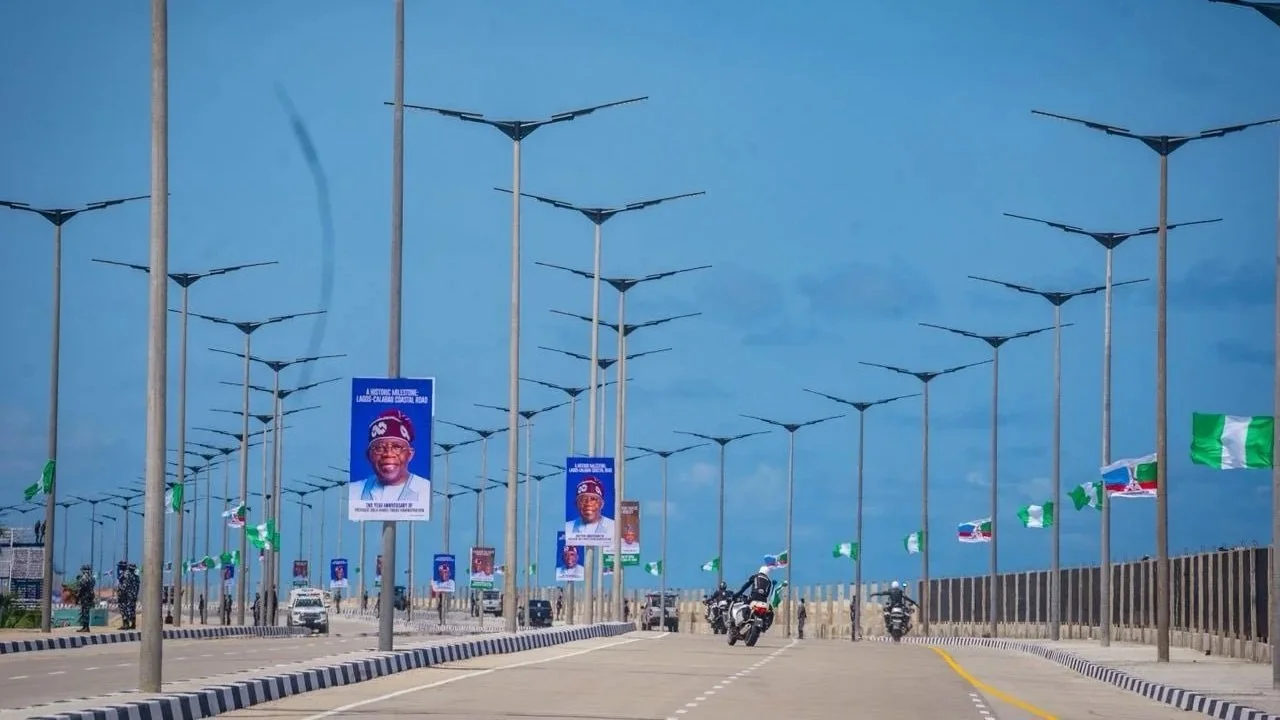
Tinubu's Name Assigned to Lagos-Calabar Coastal Highway as Project Advances
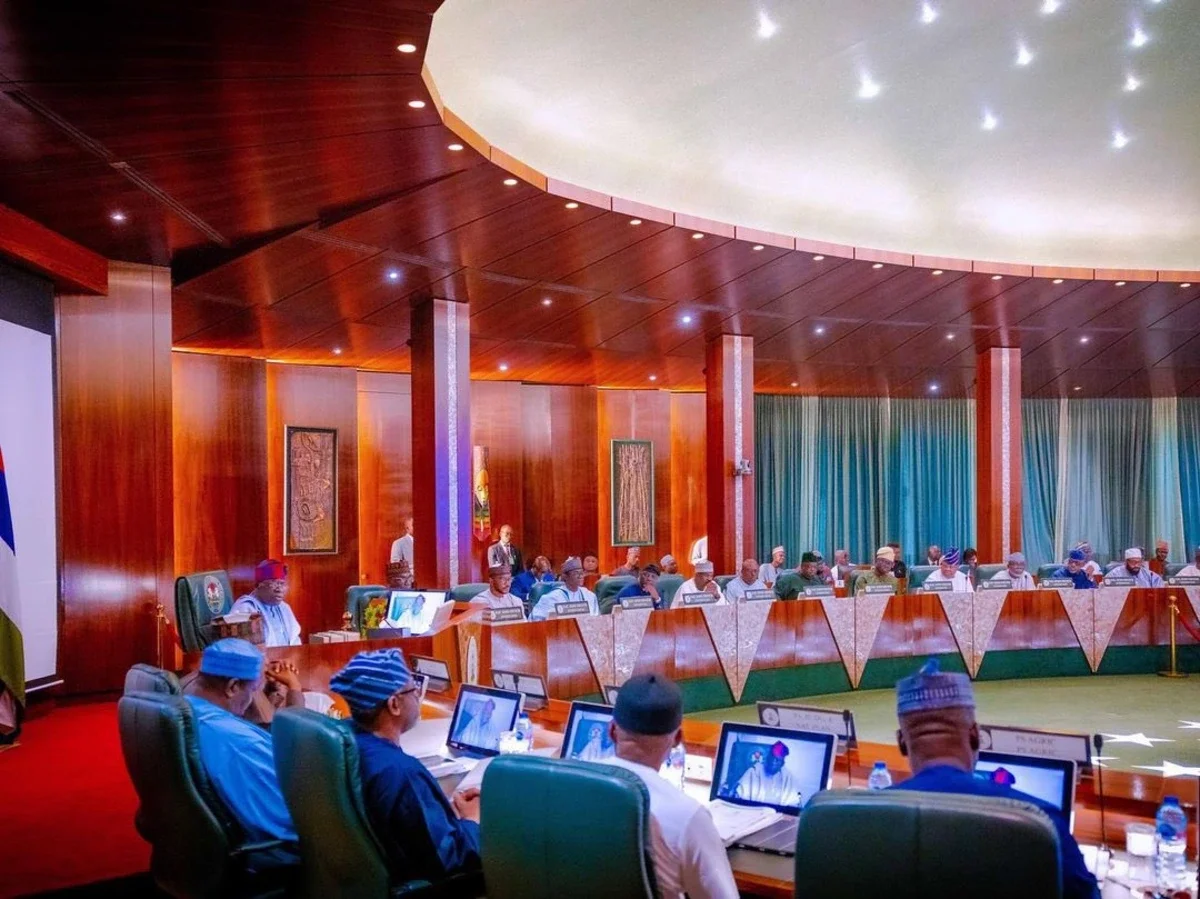
The Federal Government has officially renamed the Lagos-Calabar Coastal Highway as the President Bola Ahmed Tinubu Coastal Highway, with the Minister of Works, David Umahi, stating that the decision recognises President Bola Tinubu's long-standing vision for one of Nigeria's largest road infrastructure projects. The announcement came during a media briefing in Abuja following the completion of the first section of the highway.
/ You Might Also Like /




According to Umahi, the Ministry of Works approved the renaming after consultations with its leadership, arguing that the project originated from an idea conceived by Tinubu during his tenure as Governor of Lagos State nearly three decades ago.
Government cites Tinubu's long-term vision
Explaining the rationale behind the decision, Umahi said the coastal highway reflects a vision that Tinubu first proposed approximately 27 years ago while serving as governor of Lagos State.
The minister noted that transforming the concept into a major national infrastructure project warranted recognition of the President's role in initiating the idea. He added that the decision was taken by the Ministry of Works in consultation with the Permanent Secretary, the Minister of State and senior ministry officials.
A flagship national infrastructure project
The Lagos-Calabar Coastal Highway is one of the Federal Government's flagship transport infrastructure projects aimed at improving connectivity along Nigeria's southern coastline.
The corridor is expected to span approximately 750 kilometres, linking Lagos to Calabar through several coastal states. Once completed, the highway is expected to improve regional connectivity, facilitate trade, support tourism and reduce travel times across southern Nigeria.
Construction began in phases, with Section One covering approximately 47.47 kilometres from Ahmadu Bello Way in Victoria Island towards the Lekki axis. The six-lane carriageway also incorporates a 25-metre-wide median reserved for a future railway line, reflecting the government's plan to integrate road and rail infrastructure within the corridor.
Additional transport projects receive approval
During the briefing, Umahi also announced that President Tinubu had approved several additional road infrastructure projects.
These include:
A 400-kilometre extension of the Fourth Legacy Highway, increasing its planned length to about 1,100 kilometres.
Reconstruction of sections of the Lagos-Ibadan Expressway using reinforced concrete pavement.
Completion of the long-abandoned Ibi Bridge in Taraba State.
Construction of the 5.76-kilometre Lau Bridge.
Dualisation of an additional 400 kilometres of the East-West Road.
According to the minister, the approvals form part of the Federal Government's broader strategy to modernise Nigeria's transport infrastructure and improve interstate connectivity.
Significance for housing and urban development
Although primarily a transport project, the Lagos-Calabar Coastal Highway carries broader implications for housing and urban development.
Major transport corridors typically improve accessibility, stimulate investment in adjoining communities and encourage residential, commercial and industrial development. Enhanced connectivity can also influence land values, support new housing projects and strengthen economic activity along the route.
For the housing sector, improved infrastructure often creates opportunities for new mixed-use developments and expands access to emerging growth corridors, particularly in rapidly urbanising coastal areas.
Outlook
The renaming of the Lagos-Calabar Coastal Highway marks a symbolic milestone for one of Nigeria's most ambitious infrastructure programmes. While the decision recognises President Tinubu's role in conceiving the project, the government's immediate focus remains on completing the remaining phases of the highway and delivering the wider network of road projects intended to improve national connectivity and support long-term economic development.
READ MORE