Nigeria Tops Africa’s Homelessness Ranking With Estimated 4.5 Million People
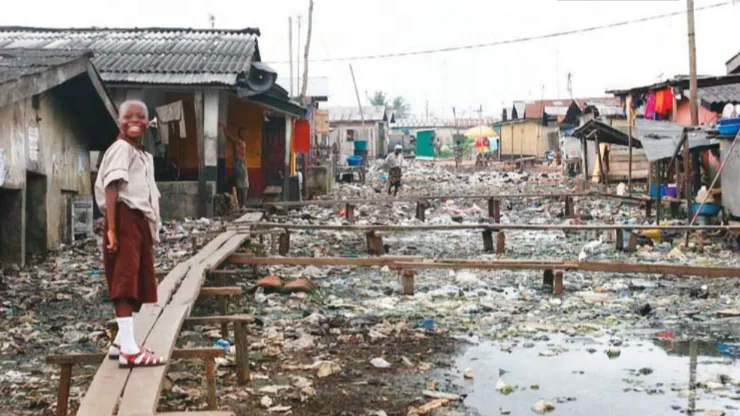
Nigeria’s homelessness challenge highlights the housing access gap
Nigeria has been identified as having the largest estimated homeless population in Africa, with about 4.5 million people reported to be without stable housing.
The figure, cited in a recent report using World Population Review data, places Nigeria ahead of other African countries including Uganda, Sudan, Egypt, the Democratic Republic of Congo and Somalia.
/ You Might Also Like /


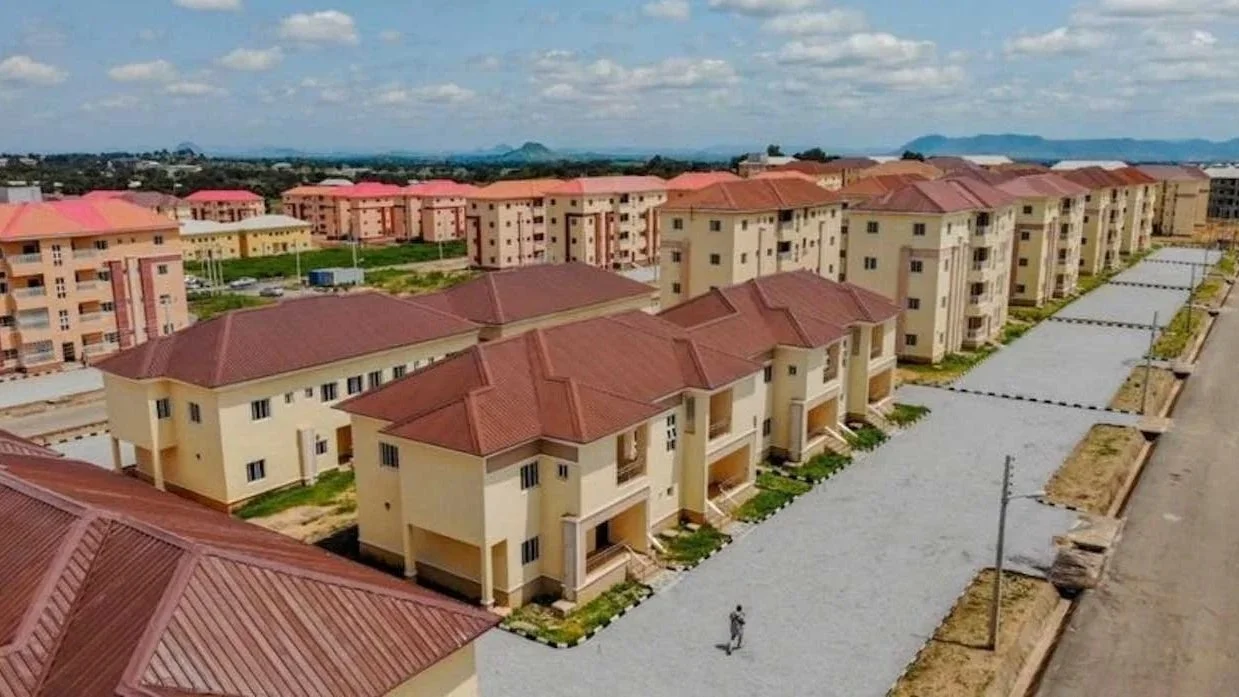

The estimate draws renewed attention to the scale of Nigeria’s housing access challenge, particularly as population growth, urbanisation, rising rents and pressure on household incomes continue to shape housing demand.
Nigeria Leads African Homelessness Estimates
The report estimates Nigeria’s homeless population at approximately 4.5 million people, compared with about four million in Uganda and three million in Sudan. Egypt is estimated at two million, while the Democratic Republic of Congo and Somalia are placed at about 1.5 million and 1.4 million respectively.
The figures are estimates rather than a uniform census of people without homes. World Population Review notes that homelessness statistics differ substantially between countries because of variations in definitions, data collection methods and reporting practices.
This distinction is important when comparing homelessness across countries and interpreting the reported figures.
Housing Access Remains a Major Challenge
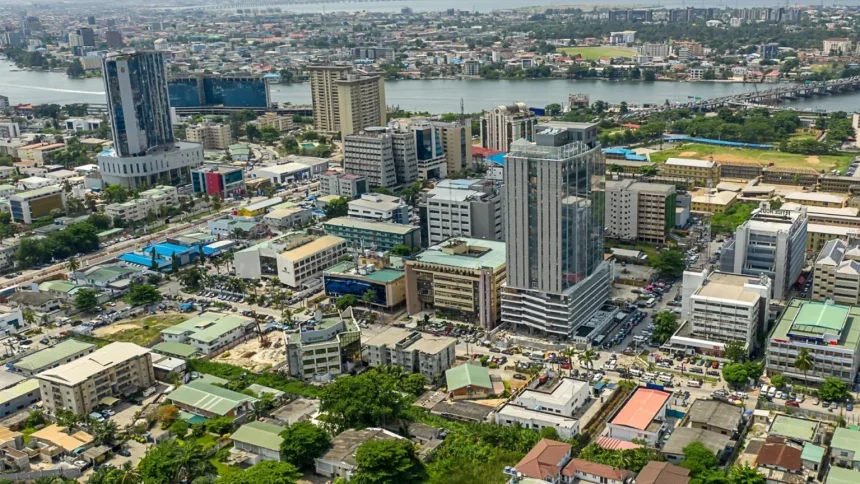
The reported figure points to a broader housing access problem in Nigeria, where demand for accommodation continues to grow alongside population expansion and urban migration.
Housing pressure is particularly visible in major urban centres, where rising land values, construction costs and rents can make formal housing increasingly difficult for lower- and middle-income households to access.
For many households, the challenge extends beyond the availability of housing units. The cost of securing land, financing construction, paying rent and meeting other household expenses can determine whether available accommodation remains financially accessible.
The result is a housing market in which a significant proportion of demand may remain outside the formal housing system.
Urbanisation Adds Pressure to Housing Supply
Nigeria’s rapidly growing urban population is another factor influencing housing demand.
As people move towards major economic centres in search of employment, education and business opportunities, demand for housing, transport infrastructure and basic urban services increases.
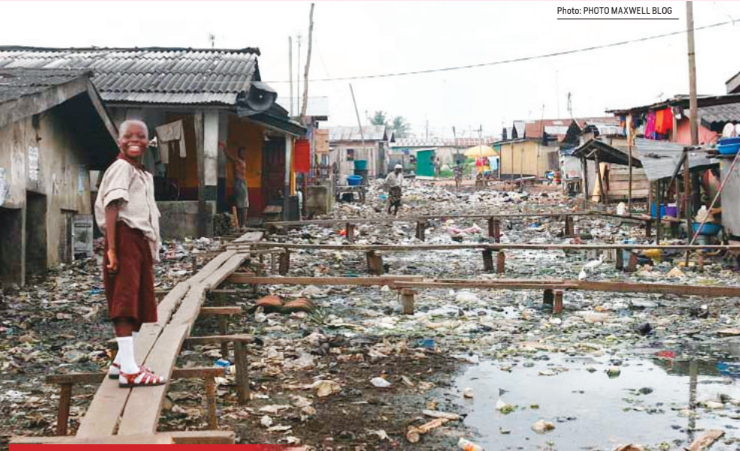
Where formal housing supply does not expand at a comparable pace, households may turn to informal settlements, overcrowded accommodation or other forms of insecure housing.
This creates challenges for governments, developers and urban planners seeking to provide infrastructure and services in rapidly expanding cities.
Affordability Is Central to the Housing Challenge
The homelessness estimate also places greater emphasis on the affordability side of Nigeria’s housing market.
Increasing the number of housing units alone may not resolve the problem if a substantial proportion of those units remain beyond the purchasing or rental capacity of households.
Developers face rising costs across land acquisition, building materials, labour, infrastructure and finance. These costs can feed through into the final price of housing, limiting the number of households able to access newly developed properties.
Affordable housing therefore requires attention to both supply and the ability of households to pay for that supply.
Financing Remains Critical to Housing Delivery
Access to long-term and affordable housing finance remains another important component of the housing equation.
Mortgage financing can enable households to spread the cost of homeownership over longer periods, while construction finance allows developers to deliver projects without relying entirely on short-term or high-cost funding.
Where financing remains expensive or difficult to access, both sides of the housing market can face constraints. Developers may delay projects or target higher-income buyers who can support increased costs, while households with limited incomes may remain dependent on rental accommodation or informal housing arrangements.
Implications for Nigeria’s Property Market
The reported homelessness estimate reinforces the scale of potential unmet demand within Nigeria’s housing market.
For developers and investors, the underlying challenge is not simply the number of people requiring accommodation but the structure of that demand. Housing projects must align with household incomes, location preferences, access to infrastructure and available financing if they are to address the needs of a wider segment of the population.
This creates opportunities for housing models focused on affordability, rental housing, incremental homeownership and lower-cost construction, provided developers can achieve commercially sustainable returns.
For policymakers, the figures highlight the need to consider land availability, infrastructure, housing finance, construction costs and planning systems together rather than treating housing supply as a standalone issue.
Data Requires Careful Interpretation
While the 4.5 million estimate has attracted attention, the underlying data should be interpreted with caution.
World Population Review’s current homelessness database notes that its country estimates come from different years and methodologies. Its current listing gives Nigeria a different estimate, illustrating why the year and methodology behind any homelessness figure must be stated when making comparisons.
Consequently, the 4.5 million figure should be treated as an estimate cited in the report rather than as a definitive current census of Nigeria’s homeless population.
Conclusion
The reported estimate of 4.5 million homeless people places Nigeria’s housing access challenge firmly in focus. While the precise scale of homelessness is difficult to establish because of differences in definitions and data collection, the figures point to persistent pressure on the country’s housing system.
Addressing the challenge will require more than increasing the number of homes delivered. Expanding affordable housing supply, improving access to housing finance, reducing barriers to development and ensuring that new housing is supported by infrastructure will remain central to improving access to adequate accommodation across Nigeria.
READ MORE