Nigeria's REITs Outperform Lagos Housing as Investors Seek Higher Returns
Investors Turn to REITs as Returns Outpace Lagos Housing Market
Nigeria's listed Real Estate Investment Trusts (REITs) are delivering stronger returns than segments of Lagos' residential property market, reinforcing growing investor interest in regulated property investment vehicles as high interest rates and economic uncertainty reshape investment strategies. According to recent market data, leading REITs have recorded significant gains in 2026, outperforming rental yields available from many residential properties in Lagos.
/ You Might Also Like /


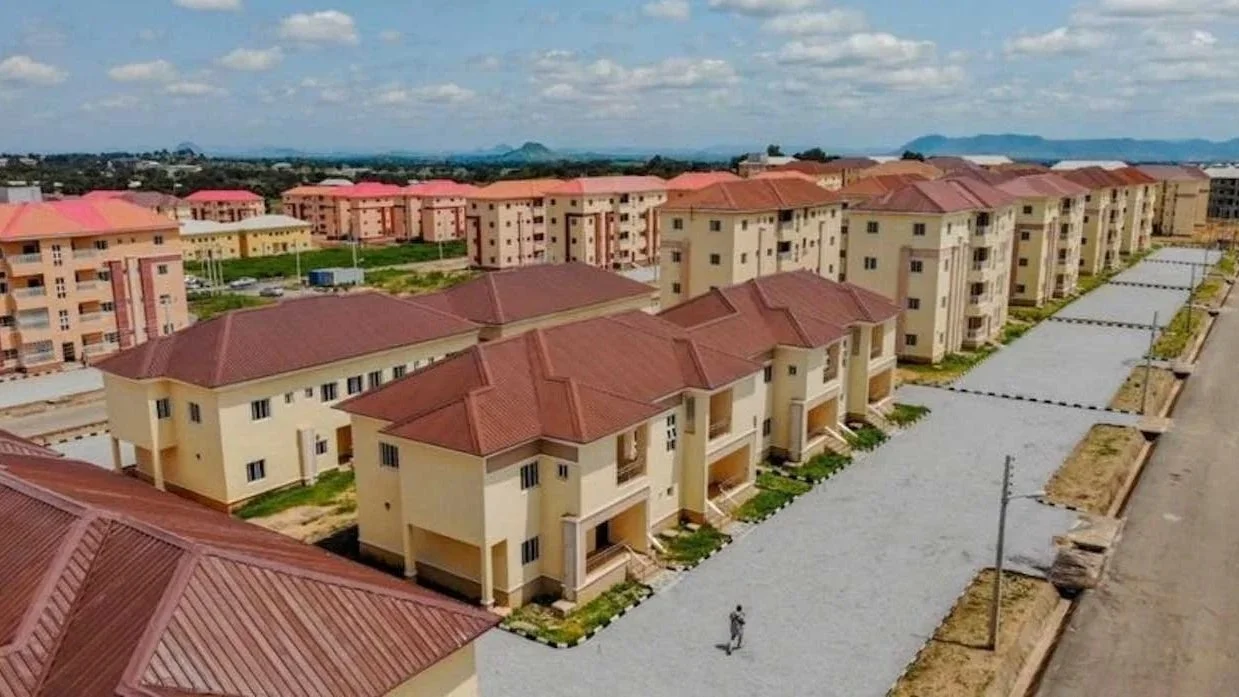

The trend reflects increasing demand for professionally managed real estate investment products that provide exposure to the property market without the capital requirements and operational responsibilities associated with direct property ownership.
Listed REITs post strong returns
Market performance shows that Union Homes Real Estate Investment Trust (UH REIT) recorded a year-to-date return of more than 35 per cent as of the end of June 2026, while UPDC REIT gained more than 41 per cent over the same period. The strong performance highlights renewed investor confidence in listed property assets despite Nigeria's challenging macroeconomic environment.
Unlike traditional property investment, REITs enable investors to own units in diversified, income-generating real estate portfolios that are professionally managed and traded on the Nigerian Exchange. The structure offers greater liquidity and lower entry costs while providing exposure to commercial and residential property assets.
Residential property yields remain mixed
Although Lagos remains Nigeria's most active property market, returns vary significantly depending on location and asset class.
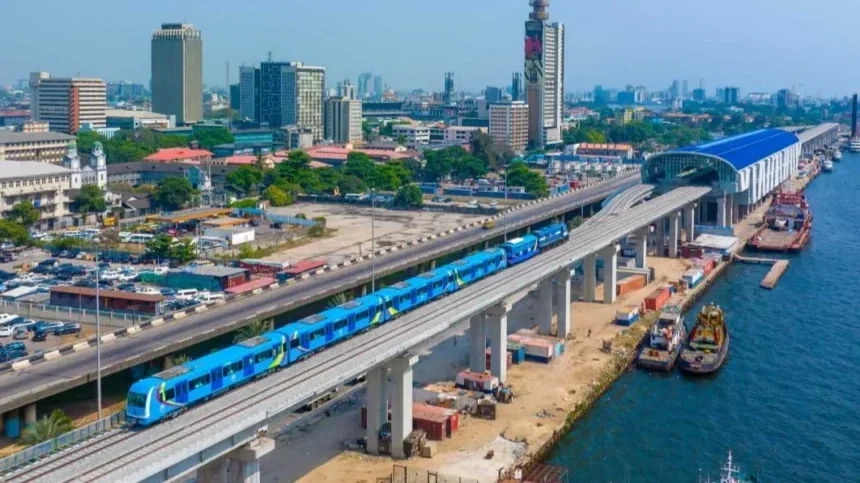
According to the report, residential properties located close to the operational Lagos Blue Rail Line are generating gross rental yields of approximately six to seven per cent, outperforming comparable properties outside the rail corridor, where yields average around four to 4.5 per cent. The findings highlight the growing impact of transport infrastructure on property values and rental performance.
By contrast, some premium residential properties in high-end locations such as Lekki Phase 1 continue to generate relatively modest net rental yields of about three per cent, making them less attractive when compared with current returns available from government securities and listed REITs.
Infrastructure continues to shape investment decisions
The report identifies transit-oriented development as an increasingly important driver of property performance in Lagos.
The operation of the Blue Line and Red Line rail systems, alongside plans for future rail expansion, is influencing residential demand, rental values and investment decisions in neighbourhoods with improved transport connectivity. As accessibility improves, investors are placing greater emphasis on locations that offer long-term appreciation potential linked to infrastructure development.
For developers, the trend reinforces the importance of integrating residential projects with transport infrastructure to improve asset performance and attract institutional investment.
What stronger REIT performance means for the housing sector
The growing outperformance of listed REITs has broader implications for Nigeria's housing market.
A stronger REIT market can mobilise long-term institutional capital into residential, commercial and mixed-use developments while reducing reliance on conventional bank financing. Increased participation by pension funds, insurance companies and asset managers could also deepen liquidity in the property sector and expand financing options for developers.
For individual investors, REITs offer a more accessible route into real estate by lowering capital barriers and reducing the risks associated with managing physical properties. At the same time, continued improvements in transport infrastructure demonstrate that location and connectivity remain critical factors influencing property values and rental income.
Outlook
The strong performance of Nigeria's listed REITs suggests investors are increasingly prioritising diversified, professionally managed property investments that combine income generation with greater liquidity. While direct ownership of residential property remains an important long-term investment strategy, current market conditions indicate that listed real estate investment vehicles are becoming an increasingly competitive alternative.
As Nigeria continues to expand transport infrastructure, strengthen capital markets and pursue housing sector reforms, REITs are expected to play a larger role in financing urban development and broadening access to real estate investment.
READ MORE