FG Completes 40 Major Road Projects, Advances 5,400km Highway Programme to Boost National Connectivity
Highway Investment Gains Momentum as FG Completes 40 Road and Bridge Projects
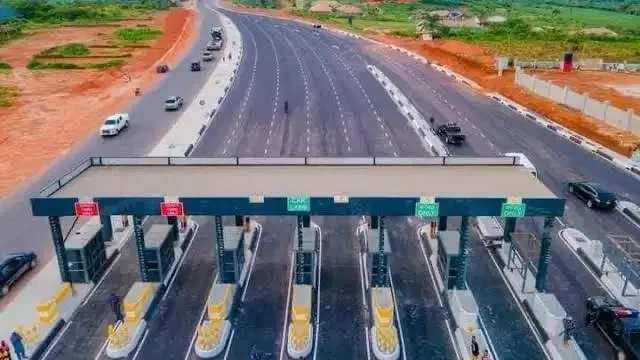
The Federal Government has completed 40 major road and bridge projects across Nigeria between May 2023 and May 2026, while construction continues on approximately 5,400 kilometres of highways, expressways and strategic road corridors nationwide. The milestone, contained in the Federal Ministry of Works' three-year projects report, underscores the administration's continued investment in transport infrastructure to improve connectivity, facilitate trade and support economic development.
/ You Might Also Like /


According to the report, about 1,800 kilometres of major roads have been completed during the three-year period, while 133 additional road projects remain under construction across the country's six geopolitical zones. The programme covers highway reconstruction, road dualisation, bridge construction, bypasses, coastal highways and emergency interventions aimed at improving the resilience of Nigeria's transport network.
South-West leads completed projects
The South-West recorded the highest number of completed projects with 12, followed by the South-East, North-East and South-South with six projects each. The North-West and North-Central recorded five completed projects apiece, reflecting nationwide implementation of the Federal Government's infrastructure programme.
Among the flagship projects are sections of the Lagos-Ibadan Expressway, Lagos-Calabar Coastal Highway, Sokoto-Badagry Super Highway, Kano-Maiduguri Road, Lokoja-Benin Road, and the Abuja-Kaduna-Zaria-Kano Highway. These strategic corridors are designed to strengthen links between commercial centres, agricultural zones, ports and border communities, improving the movement of people and goods across the country.
Infrastructure expected to strengthen housing and urban growth
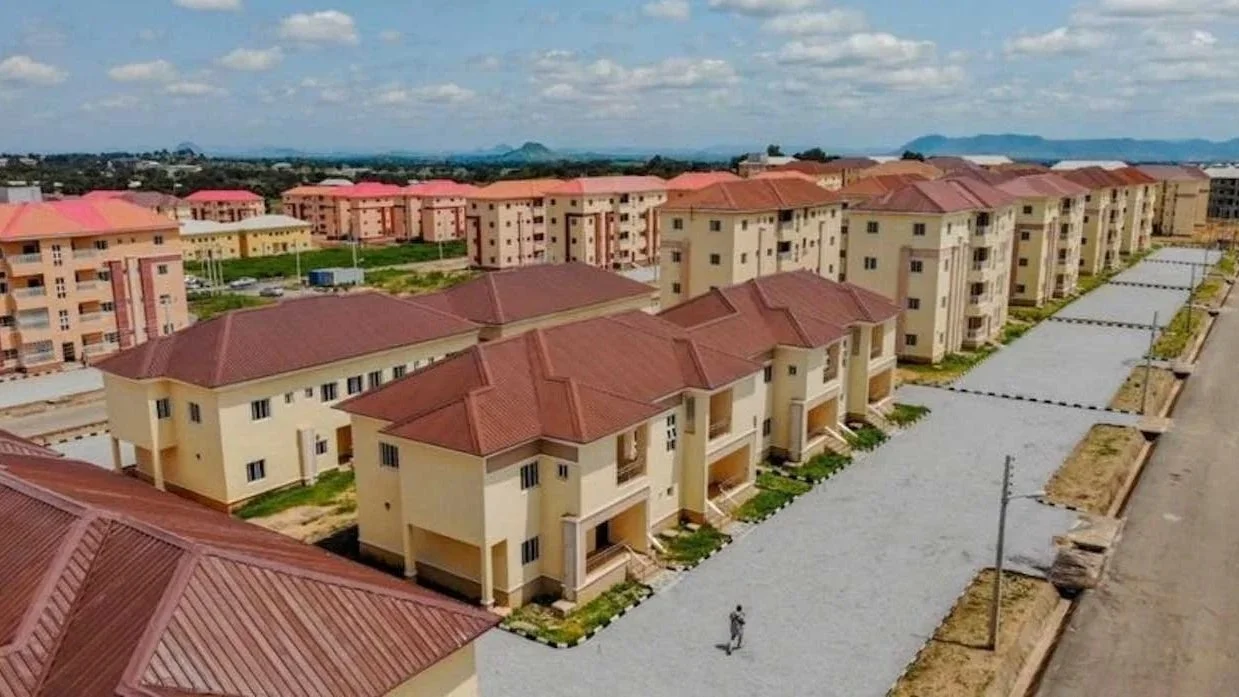
Beyond improving transportation, the expansion of Nigeria's highway network is expected to support housing delivery and urban development by improving access to emerging residential communities and reducing logistics costs for construction activities.
Road infrastructure remains a critical enabler of real estate development, influencing land values, development viability and access to essential services. Improved connectivity can unlock new growth corridors, encourage private investment and support the expansion of affordable housing projects in previously underserved locations.
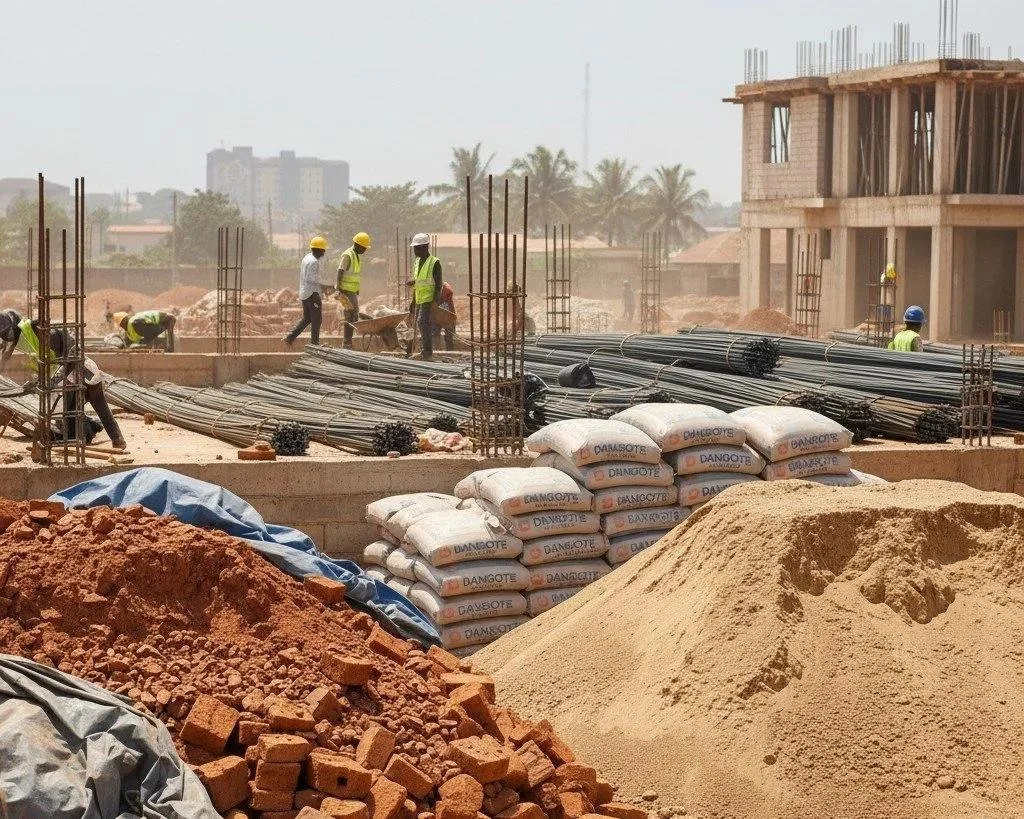
For developers, better road networks also reduce transportation costs for construction materials and improve access to project sites, contributing to more efficient housing delivery.
Major contractors driving delivery
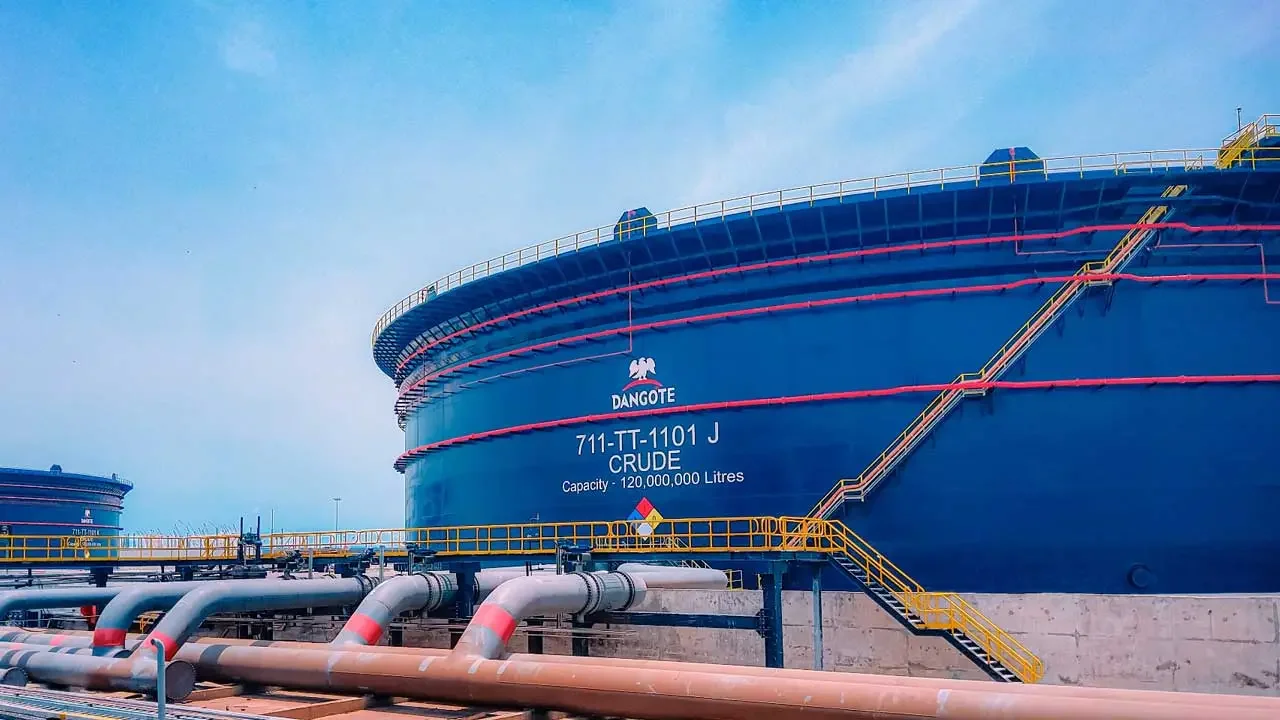
The Federal Ministry of Works reported that several leading construction companies are executing projects under the nationwide programme. These include CCECC, Hitech Construction, Julius Berger, CGC Nigeria, Setraco, RCC, Arab Contractors, China Harbour Engineering Company, Mothercat, and Dangote Industries.
The programme also includes emergency repairs to roads, bridges and culverts damaged by flooding and erosion, helping to maintain connectivity for affected communities and improve the resilience of critical transport infrastructure.
Long-term impact depends on execution and maintenance
Industry stakeholders note that the long-term success of the road programme will depend on sustained funding, timely project execution and effective maintenance after completion. While new infrastructure can stimulate regional economic activity, preserving completed assets will be essential to maximising their economic and social benefits.
For the housing sector, continued investment in transport infrastructure could improve access to new development areas, strengthen regional property markets and support integrated urban expansion. As Nigeria seeks to address its housing deficit and improve national competitiveness, modern road networks will remain a key component of sustainable urban and economic development.
Outlook
The completion of 40 major road and bridge projects, alongside ongoing construction of more than 5,400 kilometres of highways, represents one of the Federal Government's largest transport infrastructure programmes in recent years. If completed on schedule and supported by effective maintenance, the investments are expected to improve mobility, lower logistics costs and create stronger foundations for housing development, industrial growth and regional integration across Nigeria.
READ MORE