Nigerian REITs and Infrastructure Funds Deliver Mixed Performance as of May

Investors See Mixed Returns Across REIT and Infrastructure Fund Market
Nigeria’s Real Estate Investment Trusts (REITs) and infrastructure funds recorded mixed performance as of May 2026, reflecting varying investor preferences across alternative asset classes. While several property-backed funds maintained strong returns and asset growth, infrastructure-focused funds delivered more moderate outcomes as investors balanced yield opportunities against broader market conditions.
/ You Might Also Like /




The performance of these funds has become increasingly important as investors seek alternatives to traditional equities and fixed-income securities. REITs and infrastructure funds provide exposure to long-term assets such as real estate developments, housing finance, roads, energy projects and other critical infrastructure without requiring direct ownership.
REITs Continue to Attract Investor Interest
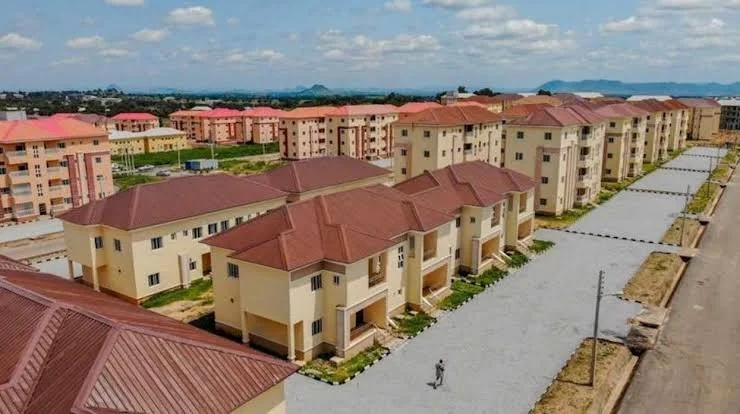
Among Nigeria’s listed and regulated real estate investment vehicles, the MOFI Real Estate Investment Fund remained one of the strongest performers. According to Securities and Exchange Commission (SEC) data analysed by Nairametrics, the fund delivered an 11.19 per cent year-to-date yield while maintaining assets exceeding ₦261 billion, making it the largest REIT by asset size in the country.
The Nigeria Real Estate Investment Trust also recorded solid performance, posting a year-to-date yield of 9.40 per cent and maintaining a substantial net asset value. Meanwhile, the Housing Solution Fund generated a 7.79 per cent return, demonstrating continued investor appetite for property-backed investment products.
Analysts note that REITs have benefited from growing demand for diversified investments capable of providing income generation and inflation protection, particularly amid persistent economic uncertainty. The continued expansion of assets under management within the REIT segment suggests investors remain confident in the long-term fundamentals of Nigeria’s property market.
Infrastructure Funds Deliver Stable Returns
Infrastructure-focused investment vehicles continued to provide investors with exposure to long-term development projects across transportation, energy and public infrastructure sectors.
The Nigeria Infrastructure Debt Fund (NIDF), one of the country's leading infrastructure investment vehicles, reported a profit after tax of ₦5.37 billion in the first quarter of 2026 and maintained a distribution yield of approximately 19.3 per cent. The fund's asset base remained stable at over ₦137 billion, highlighting sustained investor confidence in infrastructure-backed assets.
Industry observers note that infrastructure funds generally appeal to long-term investors seeking predictable income streams generated from essential infrastructure assets. These investments are often viewed as relatively resilient because they are tied to critical economic activities and long-term concession agreements.
Alternative Investments Gain Relevance
The growing interest in REITs and infrastructure funds reflects broader changes within Nigeria’s investment landscape. Investors are increasingly looking beyond traditional savings products and equities in search of diversified portfolios capable of delivering stable returns.
Data from the SEC shows Nigeria’s mutual fund industry expanded to ₦8.77 trillion in net asset value by April 2026, demonstrating rising participation in professionally managed investment products. Alternative assets, including REITs and infrastructure funds, continue to form an important component of this growth.
For institutional investors such as pension funds and insurance companies, these asset classes also provide opportunities to match long-term liabilities with income-generating investments.
Implications for the Housing Sector
The performance of REITs is particularly relevant to Nigeria’s housing market. Real estate investment funds play an important role in mobilising capital for housing development, mortgage financing and large-scale property projects.
The strong performance of the MOFI Real Estate Investment Fund is especially significant given its mandate to support housing finance and contribute to addressing Nigeria’s housing deficit. Continued growth in property-focused funds could improve access to long-term financing for housing projects while attracting additional private capital into the sector.
As policymakers continue efforts to bridge the country’s housing gap, investment vehicles that connect capital markets with real estate development are expected to become increasingly important.
Market Outlook
Analysts expect REITs and infrastructure funds to remain attractive investment options throughout the remainder of 2026, supported by rising demand for diversified income-generating assets.
However, performance will likely continue to vary depending on asset quality, project execution, interest rate trends and broader economic conditions. Property-backed funds may benefit from persistent housing demand, while infrastructure funds could gain from increased public and private sector investment in critical infrastructure projects.
Investors are expected to continue monitoring yields, asset growth and distribution performance as key indicators of future opportunities within these sectors.
Conclusion
Nigeria’s REITs and infrastructure funds delivered mixed but generally resilient performance as of May 2026. Property-focused investment vehicles continued to attract capital and generate competitive returns, while infrastructure funds maintained their appeal as long-term income-generating assets. As demand for alternative investments grows, both sectors are likely to play an increasingly important role in supporting housing development, infrastructure financing and broader economic growth.
READ MORE