Why Nigeria’s Property Market Heats Up in Q4 as Buyers Deploy Year-End Savings
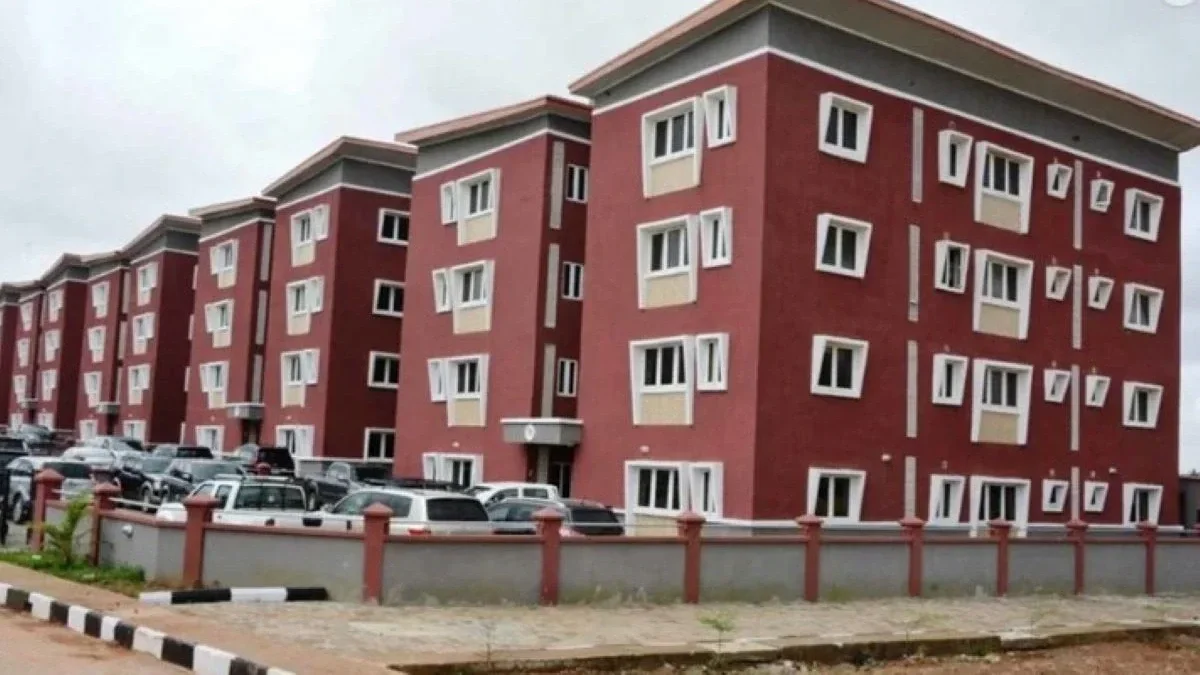
Nigeria’s property market enters its traditional Q4 buying season
Nigeria’s property market typically becomes more active in the final quarter of the year as buyers seek to deploy accumulated savings, additional income and investment funds before December, while sellers and developers push to close transactions ahead of year-end.
Real estate professionals across Lagos, Ogun, Rivers and Abuja say the period often brings together several sources of liquidity, including diaspora inflows, year-end earnings and savings accumulated during the year.
/ You Might Also Like /




The resulting increase in activity does not necessarily signal a broad recovery in housing affordability. Instead, it reflects a seasonal concentration of buyers who have the financial capacity and investment intention to complete property transactions before the end of the year.
According to industry experts cited by Nairametrics, buyers who have spent much of the year researching properties often move into the negotiation and purchase stage during the fourth quarter, while others seek to meet property investment targets established earlier in the year.
Savings and Year-End Investment Goals Drive Demand
Accumulated savings remain one of the key factors behind increased property activity in the fourth quarter.
Some buyers who have saved throughout the year use the final months to acquire land, completed homes or off-plan properties, particularly where they consider real estate a long-term store of value.
Industry professionals also point to additional income and year-end earnings as sources of purchasing power.
For buyers who already have funds available, the final quarter can represent an opportunity to convert cash into property before the new year brings potential changes in land values, rents, construction costs or property prices.
This can create a sense of urgency among buyers who would otherwise postpone a purchase.
The trend is particularly relevant in major property markets where investors closely monitor land and residential values and seek to secure assets ahead of anticipated price increases.
Diaspora Inflows Add Momentum to the Q4 Market
Diaspora activity is another factor that can strengthen property transactions towards the end of the year.
Many Nigerians living abroad return home during the festive period, creating an opportunity to inspect properties, meet developers and agents, assess locations and conclude transactions.
Diaspora buyers may also provide funds for relatives or local representatives to acquire properties on their behalf.
The combination of increased physical presence and access to foreign income can therefore support property demand in major urban centres.
Lagos and Abuja remain particularly important markets because of their depth of residential, commercial and investment property opportunities.
Other cities can also benefit where diaspora buyers have family, business or investment interests.
Sellers and Developers Face Their Own Year-End Pressure
The Q4 rush is not solely a buyer-driven phenomenon.
Property owners and developers can also have strong incentives to complete transactions before the end of the year.
Developers may need to raise cash to settle project obligations, finance subsequent construction phases or improve their financial position ahead of a new development cycle.
Individual sellers may equally have personal or business reasons for seeking liquidity before December.
This can produce greater willingness to negotiate in some parts of the market.
Where a property is correctly priced and demand is strong, sellers may have greater bargaining power. But where an owner needs to sell quickly, a buyer with available funds and the ability to close rapidly may have greater negotiating leverage.
The result is a market in which transaction speed, pricing and liquidity become particularly important during the final months of the year.
Q4 Activity Does Not Automatically Mean Higher Property Prices
Although stronger transaction activity can support property prices in high-demand locations, increased Q4 sales should not automatically be interpreted as evidence of a nationwide price surge.
Property performance remains highly dependent on location, property type, documentation, infrastructure, demand and the financial position of individual sellers.
Well-located properties with clear documentation and strong demand can attract multiple buyers, while poorly positioned or overpriced properties may remain on the market despite the seasonal increase in activity.
This distinction is important in Nigeria, where high development costs continue to affect the price of newly delivered housing.
Land, building materials, labour, infrastructure and financing costs remain significant components of the final price paid by buyers.
As a result, developers may face strong demand for particular properties while still struggling to deliver homes at prices accessible to a wider section of the population.
Ready Homes and Investment Properties Could Benefit
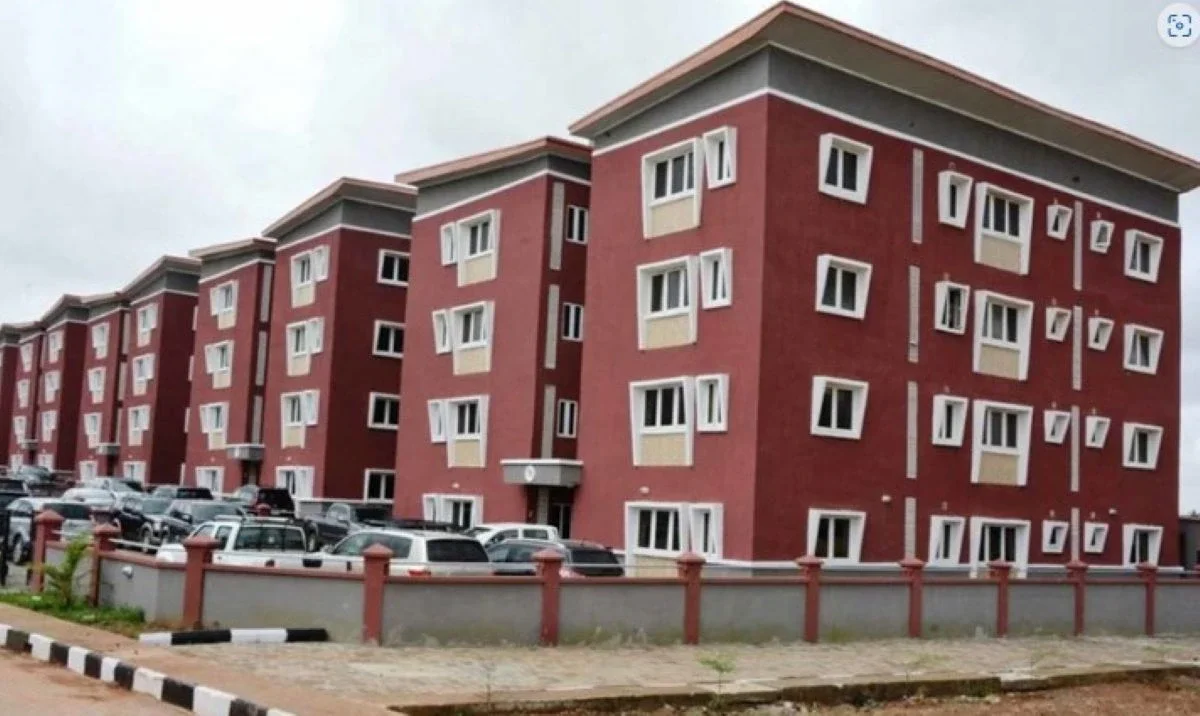
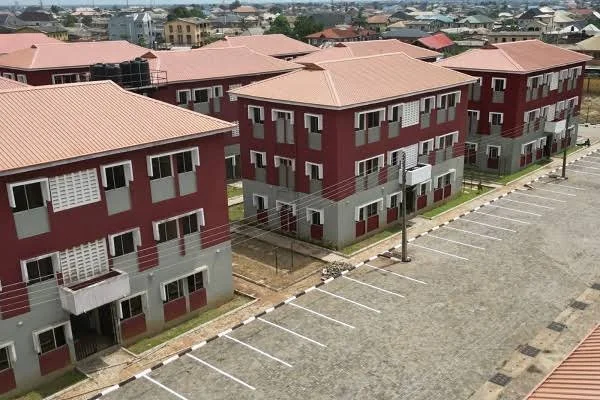
Completed and ready-to-occupy properties are likely to remain attractive to buyers who want to conclude transactions before the end of the year.
For owner-occupiers, completing a purchase during the final quarter can allow them to move into a new home before the next year.
For investors, properties capable of generating rental income can offer an additional attraction, particularly where demand remains strong in employment and commercial centres.
Land and off-plan developments appeal to another category of buyer: investors with longer-term horizons who are prepared to wait for capital appreciation or project completion.
This means the Q4 market is not driven by a single buyer profile.
Instead, different categories of buyers enter the market with different objectives, ranging from immediate homeownership to rental income and long-term capital appreciation.
October and November Could Become the Critical Transaction Window
Although December is traditionally associated with increased economic activity and movement, real estate professionals suggest that serious property transactions need to begin earlier.
Property purchases can involve inspections, negotiations, title verification, documentation and financing.
Where there are complications with land ownership or property documentation, the process can extend considerably beyond the initial agreement.
Buyers seeking to complete transactions before the end of the year therefore have an incentive to begin the process in October and November rather than waiting until December.
Sellers and developers seeking to meet year-end financial targets face a similar deadline.
The result is likely to be a more active transaction environment as the year draws to a close, particularly among participants who already have funds available.
Affordability Still Limits the Wider Housing Market
The Q4 property rush must nevertheless be viewed against Nigeria’s broader housing affordability challenge.
NHM’s recent reporting has highlighted the contrast between real estate-sector growth and the difficulties many households face in accessing adequate housing. The sector can attract investment and record transactions while a large proportion of households remains unable to afford homeownership.
The challenge is particularly significant because household purchasing power remains under pressure.
NHM reported earlier in October that Nigerians were putting major purchases, including homes and investments, on hold as living costs continued to weigh on household finances.
This creates an important distinction between market activity and market accessibility.
A rise in Q4 transactions may indicate stronger activity among financially capable buyers without representing an improvement in affordability for the average Nigerian household.
Q4 Creates Opportunities but Demands Greater Due Diligence
For buyers with sufficient liquidity, the final quarter could present opportunities to negotiate with sellers seeking to conclude transactions before year-end.
However, the pressure to close quickly should not weaken due diligence.
Buyers still need to verify title documents, ownership, planning approvals, development status, outstanding obligations and the authority of the seller to dispose of the property.
This is particularly important when sellers use year-end urgency to encourage buyers to make rapid decisions.
For developers and investors, the period also provides an opportunity to assess which locations and property types are attracting genuine demand and which are struggling despite broader market activity.
The Q4 Rush May Shape the Market Heading Into 2027
Nigeria’s fourth-quarter property market is likely to remain active as accumulated savings, diaspora inflows, additional income and year-end investment objectives bring more buyers into the market.
Sellers and developers facing liquidity requirements could also become more willing to negotiate, creating opportunities for buyers who are prepared to complete transactions quickly.
But the seasonal increase should not be mistaken for a solution to Nigeria’s wider housing challenge.
The market continues to face high development costs, limited mortgage access and constrained household purchasing power. These structural issues will remain more important than the temporary Q4 increase in transactions.
For investors and industry professionals, the more significant question is whether the year-end activity can carry into 2027 and translate into sustained demand, stronger housing delivery and broader access to property.
That will depend on the direction of household incomes, financing costs, property prices, construction expenses and the availability of housing that matches what Nigerian buyers can realistically afford.
READ MORE