Kwara Adds 464 Homes as Land Reforms and Private Investment Boost Housing Delivery

Kwara inaugurates 464-unit Morire Housing Estate in Ijagbo
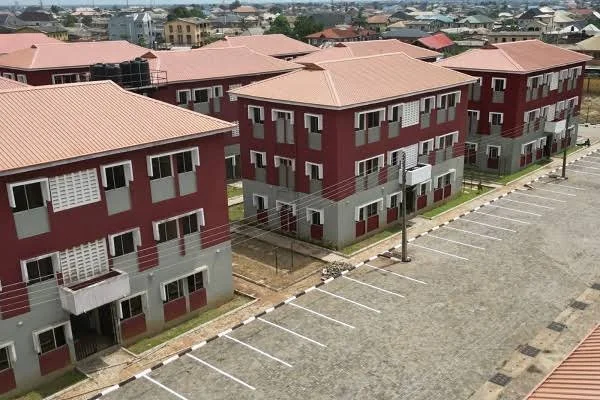
Kwara State has inaugurated a 464-unit housing estate in Ijagbo, Oyun Local Government Area, as the state intensifies efforts to expand housing supply through private investment, housing finance and reforms to land administration.
The AbdulRahman AbdulRazaq Morire Housing Estate comprises 210 two-bedroom terrace apartments, 200 three-bedroom units and 54 four-bedroom terrace duplexes. The project was developed by ISHI Homes and is targeted at civil servants, traders and other Nigerians who can access housing finance through the National Housing Fund (NHF).
/ You Might Also Like /




The development comes as the state government seeks to address housing shortages while attracting private-sector participation in housing delivery.
Private Investment Takes Greater Role in Housing Delivery
Representing Governor AbdulRahman AbdulRazaq at the inauguration, the Commissioner for Housing and Urban Development, Dr Segun Ogunsola, said the Morire City project demonstrated what could be achieved when government creates an environment that supports private investment.
The governor identified the high and rising cost of building materials, weak housing finance, difficult land systems, infrastructure gaps and institutional constraints as some of the factors contributing to Nigeria's housing deficit.
He said the state would continue to collaborate with investors that demonstrate the capacity to expand access to safe, affordable and decent housing.
The approach places private developers alongside government as important participants in expanding housing supply, particularly at a time when rising construction costs and limited public resources continue to constrain large-scale housing delivery.
464 Homes Target Kwara South Homebuyers
ISHI Homes Chief Executive Officer, Dr Olayinka Ilufoye, said the project was designed to make homeownership more accessible to residents of Kwara South.
The estate is intended to serve civil servants, traders and other eligible Nigerians who can access financing through the NHF.
The use of NHF financing is significant because access to mortgage and housing finance remains one of the major constraints facing prospective homeowners in Nigeria. Linking new housing supply to an established financing mechanism could help improve the ability of eligible households to purchase homes, although affordability will ultimately depend on the prices of the units and the financing terms available to buyers.
Land Reform Supports Housing Investment
Kwara's housing push is also being supported by changes to its land administration system.
The Executive Chairman of the Kwara State Geographic Information Service (KWGIS), Alhaji Sulyman Abdulkareem, said about 600 Certificates of Occupancy had recently been approved and signed as part of the state's land administration reforms.
He said the reforms had reduced the processing time for Certificates of Occupancy from more than 180 days to about 35 days where applicants submit complete documentation.
Faster title processing can reduce one of the administrative barriers facing property developers and investors. More predictable land documentation can also improve the ability of investors to plan projects, secure financing and complete property transactions.
Government Expands Housing Pipeline
The Morire estate is part of a broader housing strategy being pursued by the Kwara State Government.
AbdulRazaq said the state recently acquired an estate containing more than 130 flats at Ogbondoroko in Asa Local Government Area and approved its inclusion in the administration's social support scheme.
The state is also promoting the Kwara Smart City project, where it has been receiving proposals from entrepreneurs and developers interested in participating in the development.
The government said it was also collaborating with institutional partners, including the Federal Ministry of Housing, to increase the state's housing stock.
Housing Delivery Still Faces Cost and Finance Constraints
The inauguration highlights the potential of private-sector participation, but the state's housing strategy remains exposed to some of the same challenges affecting housing delivery across Nigeria.
High building-material costs continue to increase development expenses, while limited access to affordable finance can restrict the ability of households to purchase newly built homes.
Land administration also remains critical. Even where developers are willing to invest, delays in obtaining titles and approvals can increase project timelines and financing costs.
Kwara's efforts to reduce Certificate of Occupancy processing times therefore represent an important part of the wider housing-delivery equation, particularly if the reforms translate into more predictable land transactions and increased private investment.
New Housing Could Support Orderly Urban Development
The expansion of housing supply in Ijagbo and other parts of Kwara could also contribute to the state's wider urban-development objectives.
Housing projects can create demand for roads, electricity, water, retail services, transport and other supporting infrastructure. When these investments develop alongside housing, they can contribute to more organised communities and create new areas of economic activity.
The state's emphasis on infrastructure expansion alongside housing development could therefore help determine whether new estates become integrated communities rather than isolated residential developments.
Outlook
The 464-unit Morire Housing Estate adds a significant volume of new housing supply to Kwara while demonstrating the role that private developers and housing finance can play in expanding homeownership opportunities.
The state's land reforms could further strengthen the investment environment if faster title processing is sustained and extended across other property transactions.
For Kwara, the bigger test will be whether the combination of private investment, NHF financing, improved land administration and infrastructure can be scaled sufficiently to meet demand from households across different income groups.
The development nevertheless provides a clear example of how state governments can combine regulatory reforms with private-sector participation to increase housing delivery and improve access to formal homeownership.
READ MORE