Lagos Workers’ Housing Gets Private-Sector Boost With 1,000 Serviced Apartments
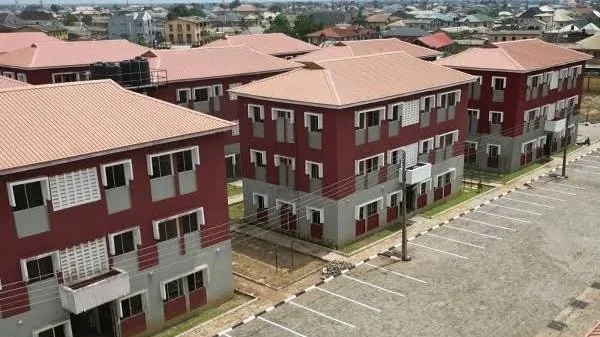
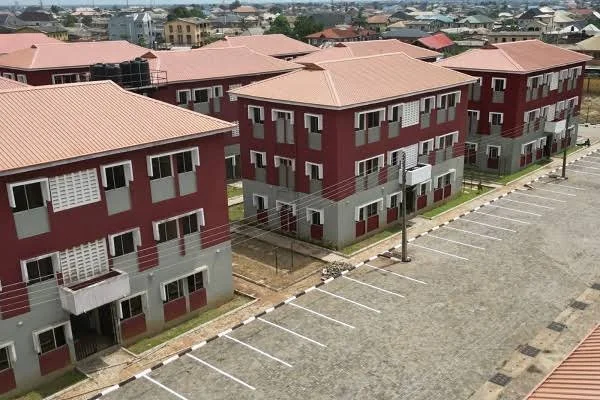
Rentcom’s 1,000-apartment Lagos workforce housing project
Rentcom has launched a plan to develop 1,000 furnished and serviced apartments across Lagos as private-sector investment moves to address the housing needs of professionals living and working around the city’s major employment corridors.
/ You Might Also Like /




The project, known as Workforce Apartments Lagos, is designed to provide professionally managed rental accommodation close to major commercial and employment centres. The first phase will deliver 100 apartments across three locations.
The initiative was flagged off on September 25 and forms part of Rentcom’s wider strategy of investing in rental infrastructure that can generate recurring income while addressing identified gaps in the housing market.
Rentcom Targets Housing Demand Around Employment Centres
Rentcom founder, Dr Adeosun Williams, said the project was driven by concerns over the shortage of quality accommodation for professionals, particularly in Lagos.
The company said its target market includes workers seeking furnished and serviced homes close to employment and commercial centres, reflecting the growing importance of location and commuting time in Lagos’ housing market.
Rather than positioning the development solely as a conventional residential project, Rentcom is treating the apartments as income-generating rental infrastructure designed around an identified demand gap.
The first 100 units will form the foundation of the planned 1,000-apartment portfolio.
Rental Housing Becomes an Investment Asset
Williams said Rentcom's model is based on identifying infrastructure shortages, arranging capital for development and creating assets capable of generating revenue to support their continued operation.
The approach reflects a broader shift in real estate investment towards income-producing assets, where developers and investors assess housing projects not only by the value of the completed properties but also by their ability to generate recurring rental income.
For Lagos, where high property prices and rents have increasingly affected workers, the model could provide another channel for expanding formal rental housing supply.
However, the affordability of the apartments will remain an important factor in determining how effectively the development addresses the city's wider workforce housing challenge.
First Phase Will Deliver 100 Apartments
The first phase of Workforce Apartments Lagos will comprise 100 furnished and serviced apartments across three locations.
Rentcom said the accommodation will be targeted at professionals who need access to Lagos' employment and commercial centres.
The wider programme is expected to scale the portfolio to 1,000 apartments across the city, potentially adding to the supply of professionally managed rental accommodation.
The development comes at a time when Lagos continues to face strong housing demand driven by population growth, employment concentration and the movement of workers towards areas with greater economic opportunities.
Housing and Employment Corridors Increasingly Connected
The location of housing relative to employment centres is an important factor in Lagos' property market.
Workers who live far from their places of employment often face high transportation costs and long commuting times. This can influence where households choose to rent and how much they are willing to pay for housing.
Developments located close to employment and commercial corridors can therefore provide value beyond the physical accommodation by reducing commuting pressures and improving access to jobs.
For developers, this also creates opportunities to build rental housing around established business districts and emerging employment clusters.
Private Capital Could Expand Lagos Rental Supply
Rentcom's model highlights the potential role of private capital in addressing Lagos' housing shortage.
Government-led housing programmes remain important, particularly for low- and middle-income households, but private investment can increase the volume and variety of housing available in the rental market.
Income-generating residential developments can attract investors who are seeking recurring returns while also increasing the supply of professionally managed housing.
The model could become more significant if developers are able to secure suitable land, control construction costs and structure rents at levels that remain viable for workers.
Affordability Remains the Key Test
While the planned 1,000 apartments will add to Lagos' housing stock, the scale of the city's housing challenge means the development alone will not materially close the overall supply gap.
The more immediate question is whether the apartments will be accessible to the workforce segment they are designed to serve.
Furnished and serviced accommodation typically carries additional operating and maintenance costs, which can push rents above conventional residential units. The project's ability to balance these costs with workers' incomes will therefore determine its contribution to workforce housing.
The development also illustrates the broader challenge facing Lagos: increasing housing supply while ensuring that new homes remain financially accessible to the people who need them.
Outlook
Rentcom's 1,000-apartment programme adds another private-sector model to Lagos' evolving housing market, with the company combining residential development with recurring rental income.
The first 100 apartments will provide the initial test of the model, while the planned expansion to 1,000 units could create a larger portfolio of professionally managed rental housing across Lagos.
For the wider property market, the project reinforces the growing investment case for workforce and rental housing located near employment centres.
Its longer-term housing impact, however, will depend on the affordability, location and scale of the completed units and whether similar private-sector developments can be replicated across Lagos' expanding employment corridors.
READ MORE