Lagos Electricity Market Enters New Phase as Private Projects Expand
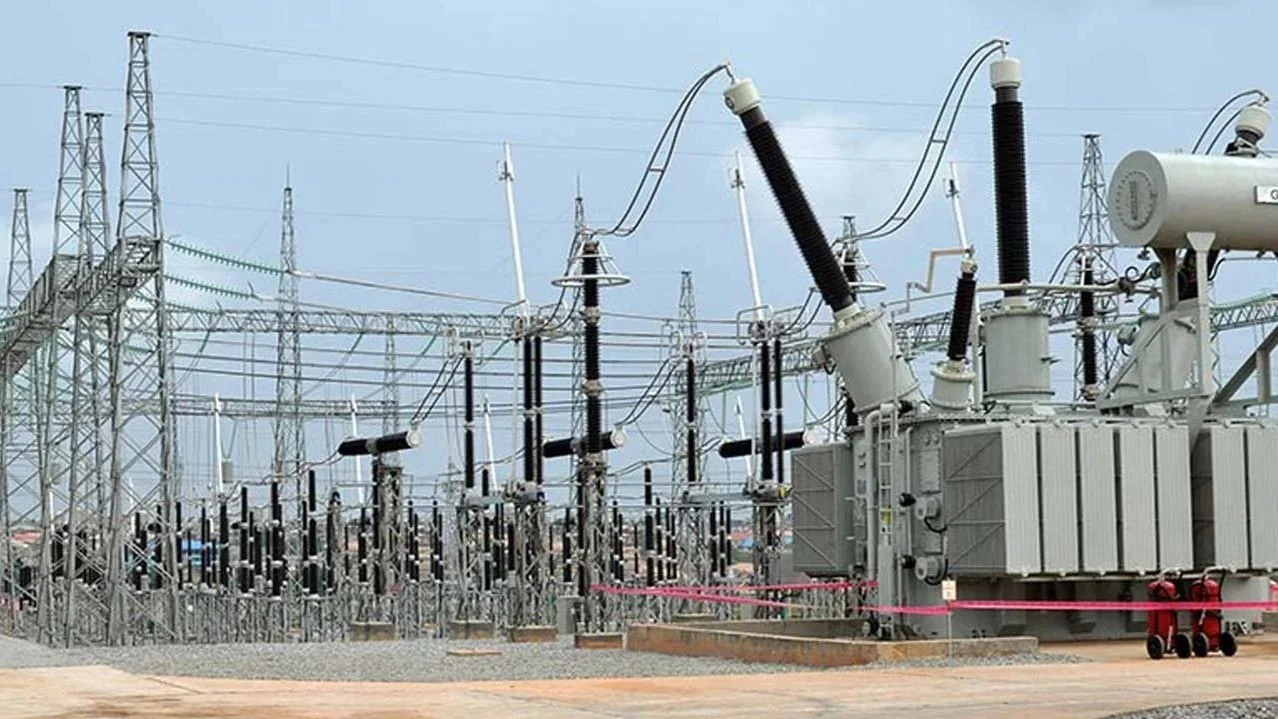
Lagos State Government is preparing to review private-sector investment and participation in its electricity market as several power projects move through licensing, construction and development stages across the state.
The review will take place at the second Lagos Energy Summit, scheduled for November 10 and 11, 2026, in Victoria Island. The summit will examine the implementation of the Lagos State Electricity Law, 2024, and its implications for private investment across the electricity value chain.
/ You Might Also Like /




The development comes as Lagos seeks to build a more decentralised electricity market capable of supporting households, businesses and industrial users while reducing the state's dependence on the limitations of the national grid.
Lagos Reviews Private-Sector Electricity Investment
The Lagos State Ministry of Energy and Mineral Resources said the summit would assess progress since the enactment of the 2024 electricity law and examine opportunities for further investment and partnerships.
The discussions will cover generation, transmission and distribution, as well as renewable energy, electricity infrastructure and decentralised generation.
Commissioner for Energy and Mineral Resources, Biodun Ogunleye, said the summit would seek to turn ongoing reforms into strategic partnerships and investments capable of producing measurable improvements across the electricity value chain.
The summit was originally scheduled for September but was moved to November to allow for additional preparations.
Private Power Projects Expand Across Lagos
Several private-sector projects are already advancing under the state's evolving electricity framework.
Fenchurch Power Limited is rebuilding the Akute Independent Power Plant under a concession with the Lagos State Government. The 26MW project is expected to provide dedicated electricity to the Akute Intake, Iju Waterworks and Adiyan Waterworks, with surplus power supplied to the Ikeja Electric network.
The company began site work in September and is replacing existing engines with new MWM gas engines. About 10MW is expected within four months, while the remaining 16MW is targeted for completion within 12 months.
The Akute project forms part of broader power-supply arrangements involving Lagos State, Mainland Power, Fenchurch Power and Viathan Engineering. The agreements are intended to increase electricity generation from less than 60MW to between 200MW and 400MW over the next two to three years.
New Power Projects Target Commercial Centres
Other projects are also expanding the state's private electricity pipeline.
Elektron Energy Development received an operational licence in September for its 40MW Victoria Island Power project. The facility is expected to begin commercial operations in December and supply businesses through a dedicated distribution network.
Sahara Power Enterprises Group also began construction in August on a 12MW independent power plant in Ogba, with investment reportedly estimated at $12 million and completion targeted for the first quarter of 2027.
The concentration of projects around commercial and industrial locations highlights the growing role of dedicated power supply in supporting economic activity within Lagos.
Decentralised Power Market Broadens Investment Opportunities
Private-sector participation is extending beyond large independent power plants into off-grid generation, embedded generation, independent distribution and mini-grid projects.
The Lagos State Electricity Regulatory Commission approved 14 licences and permits in May covering different parts of the decentralised electricity market, including off-grid generation, embedded generation, independent electricity distribution, metering and interconnected mini-grids.
Among the approved projects was Axxela's 5.8MW off-grid project for Cadbury Nigeria in Agidingbi, alongside a 9MW embedded generation project by Isolo Power Gen and an independent distribution network licence for Isolo Power Supply.
LASERC is also reviewing applications for proposed projects in areas including Epe, Apapa, Agidingbi and Ibeju-Lekki. These applications remain under consideration and should not be treated as committed or operational generation capacity.
Reliable Power Could Strengthen Lagos Property Development
The expansion of private electricity infrastructure has important implications for Lagos' property market.
Reliable electricity is a fundamental requirement for residential estates, office developments, shopping centres, industrial parks and logistics facilities. Developers operating in areas with inadequate grid supply often have to factor alternative power generation into project design and operating costs.
A more reliable electricity market could therefore improve the viability of new development corridors by reducing dependence on individual generators and potentially lowering energy-related operating costs.
The impact could be particularly important in emerging areas such as Ibeju-Lekki, Epe and other locations where industrial, commercial and residential development is expanding alongside infrastructure investment.
Energy Infrastructure Could Shape Emerging Development Corridors
The relationship between electricity supply and property development is becoming increasingly important as Lagos expands beyond established commercial centres.
Reliable power can support industrial users, data centres, offices and commercial facilities while also improving the attractiveness of residential communities serving workers in these areas.
This could encourage more coordinated development around employment and infrastructure corridors, although electricity investment alone will not guarantee property-market growth. Roads, water supply, public transport, land availability, security and effective planning will remain critical to the success of emerging districts.
Lagos has previously announced plans to increase power generation capacity substantially through private-sector partnerships, including arrangements targeting up to 400MW over the next two to three years.
Electricity Reform Aligns With 24/7 Energy Push
The review also comes shortly after the Federal Government and Lagos State agreed to work together under the 24/7 Energy Zones pilot.
Lagos is the first corridor selected for the pilot, with both governments focusing on grid stabilisation, market liquidity, grid expansion and regulatory coordination. A Joint Technical Committee has been established to identify outstanding challenges and recommend implementation measures.
The two initiatives point towards a broader effort to create a more reliable and commercially viable electricity system in Lagos by combining state-level regulation, private generation and federal support for grid infrastructure.
Investment Environment Remains Critical
The expansion of private power projects will depend partly on whether Lagos can provide a predictable regulatory and commercial environment for investors.
The state electricity law provides the framework for state-level regulation, while LASERC oversees licensing and other aspects of the intrastate electricity market.
The experience of private operators will therefore be important in determining whether Lagos can attract additional long-term capital into generation, distribution, metering and decentralised energy infrastructure.
The state's electricity reforms also need to address practical challenges such as gas supply, transmission constraints, affordability and revenue assurance if investment is to translate into reliable electricity for end users.
Outlook
Lagos' decision to review private investment in November comes at a significant stage in the development of its electricity market, with multiple private projects already moving towards construction or commercial operation.
The expansion of generation and decentralised electricity infrastructure could support the state's wider economic and urban-development ambitions by improving the reliability of power available to businesses, industries and residential communities.
For the housing and real estate market, the significance extends beyond electricity itself. A more reliable power system could reduce operating pressures, strengthen the attractiveness of emerging development corridors and support investment in residential, commercial and industrial property.
The key test will be whether Lagos can convert its growing pipeline of private electricity projects into dependable, commercially sustainable power supply across the areas experiencing the fastest economic and population growth.
READ MORE