The Federal Executive Council has approved ₦631.3 billion for nine road construction
The Federal Executive Council (FEC) has approved ₦631.3 billion for nine road projects across Nigeria, including major routes in Ekiti, Kogi and Kano states, in a move that could improve transport links and access to regional property markets if the projects are delivered as planned.
/ You Might Also Like /




The Minister of Works, David Umahi, announced the approvals after the council meeting on 28 October 2026. The projects cover new construction, reconstruction and rehabilitation of roads intended to improve the movement of people and goods.
The largest allocation is ₦209 billion for the reconstruction of the 81.1-kilometre Ado–Ilawe–Ilumaba–Ikole Road in Ekiti State, including a bridge. Another ₦167 billion will fund the reconstruction of the 95-kilometre Etuke–Okeni–Ankpa–Otopa Road in Kogi State.
The council also approved ₦89.2 billion for the 47-kilometre Bichi Ring Road in Kano State, which will include a flyover, and about ₦62 billion for the Tungo–Karamti Road linking Adamawa and Taraba states. The latter project will incorporate five bridges.
Other approvals include ₦30 billion for remedial works on deteriorated sections of the East–West Road and ₦28.218 billion to rehabilitate a 17-kilometre section of the Sokoto–Illela Road, Route A1.
The remaining projects comprise a ₦20.257 billion road linking Asiago to the Port Harcourt–Enugu Expressway, ₦11.33 billion for a road project previously undertaken by the Abia State Government under the Nigerian National Petroleum Company Limited’s tax-credit scheme, and ₦14.486 billion for the Dikko–Maje link road connecting to the Suleja–Minna Road in Niger State.
What the Road Approvals Could Mean for Property Markets
Road infrastructure influences property markets by shaping travel times, access to employment centres, the movement of construction materials and the cost of transporting goods. Better connections can make locations more attractive for residential development, commercial activity and logistics investment.
The Bichi Ring Road, for example, could improve movement around expanding parts of Kano, while the projects in Ekiti, Kogi, Adamawa and Taraba could strengthen links between communities and commercial centres. These are potential benefits, however, and their scale will depend on the condition of connecting roads, transport demand and the quality of project execution.
For developers, road improvements can support site accessibility and construction logistics. For property buyers and investors, better connectivity may increase the attractiveness of areas that previously faced difficult access. But road approvals alone do not guarantee higher property values or new development, particularly where land administration, electricity, drainage and other infrastructure remain constraints.
Implementation Will Determine the Value of the Investment
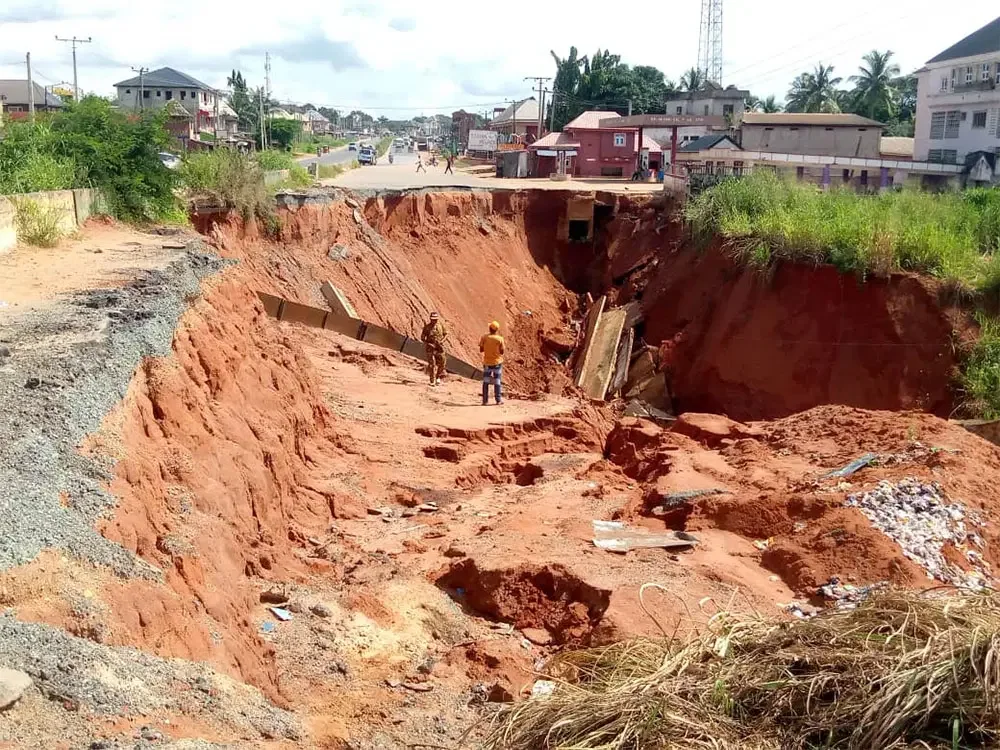
The approval represents a funding and contracting milestone, not evidence that all nine projects have begun or reached completion. The practical impact will depend on mobilisation, construction schedules, budget releases, quality control and the maintenance of completed roads.
Umahi also reported that the first 118-kilometre section of the Abuja–Kaduna–Zaria Road had been completed after 30 months of work, while construction on the second section, covering 164 kilometres, was nearing completion with about 16 kilometres remaining. The government plans to install solar-powered streetlights along the 375-kilometre Abuja–Kaduna–Zaria–Kano corridor.
For the built environment, the next indicators to watch are actual work progress, completion dates and improvements in access along the affected routes. These will show whether the new approvals translate into more reliable transport links and better conditions for housing and commercial development.
The ₦631.3 billion programme could support regional economic activity, but its significance for property markets will ultimately rest on delivery rather than the announced value of the contracts.
READ MORE