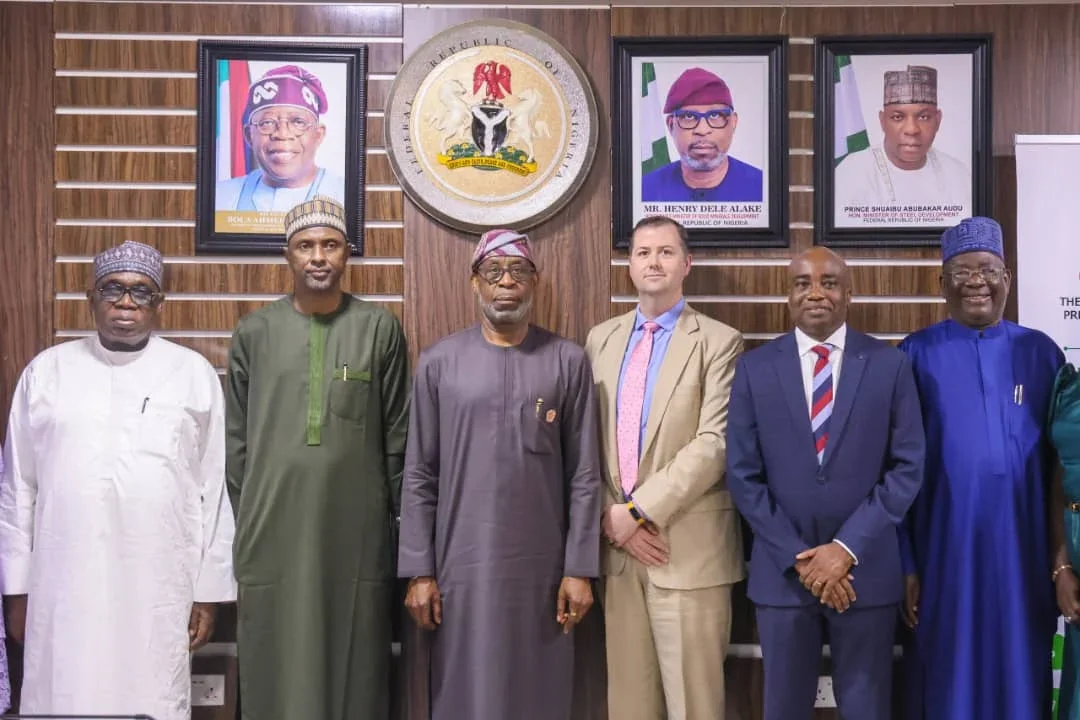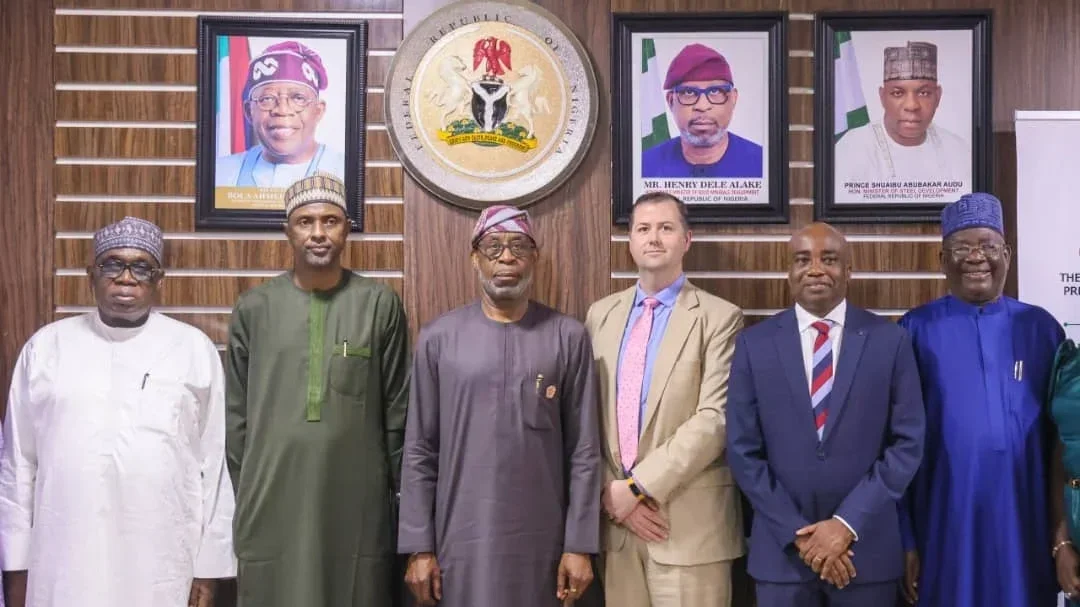
Nigeria’s Minister of Solid Minerals Development, Dele Alake, inaugurates the Nigeria–US Committee on Strategic Cooperation in the Solid Minerals Sector
Nigeria has inaugurated a joint committee to advance its minerals cooperation framework with the United States, shifting attention towards attracting investment, expanding domestic processing and translating the agreement into measurable industrial outcomes.
/ You Might Also Like /




The Minister of Solid Minerals Development, Dele Alake, inaugurated the Nigeria–US Committee on Strategic Cooperation in Abuja following the framework agreement signed by both countries in September 2026. The partnership aims to connect American investors with Nigerian mining operators and support cooperation in mineral exploration, processing, infrastructure and technical capacity.
Alake also rejected reports that Nigeria had sold $700 billion worth of mineral assets to the United States. He said the agreement provides a platform for investment and commercial partnerships rather than transferring ownership of Nigeria’s mineral resources. The $700 billion figure refers to the estimated value of Nigeria’s mineral resources cited by the government, not a completed sale.
Local Processing Is Central to the Partnership
The Federal Government wants mining investment to generate more economic value within Nigeria instead of relying primarily on the extraction and export of unprocessed minerals.
Alake said investors seeking mineral titles must demonstrate a plan for local processing. The policy is intended to encourage processing facilities, create jobs and strengthen domestic participation in mineral value chains. He charged the committee with identifying viable opportunities and coordinating implementation of the bilateral framework.
However, the committee’s inauguration does not itself confirm new investment commitments, project financing or delivery timelines. Its impact will depend on the projects it identifies, the capital mobilised and the extent to which announced investments translate into operational facilities.
What the Partnership Could Mean for Infrastructure and Property
The agreement could have indirect implications for Nigeria’s built environment if it leads to new processing plants, mining-related infrastructure and industrial activity. Such developments may increase demand for industrial premises, worker accommodation, logistics facilities, roads, electricity and other supporting services in locations where projects proceed.
For property developers and investors, these remain potential opportunities rather than confirmed outcomes. The committee has yet to demonstrate a specific pipeline of projects with disclosed locations, investment values and implementation schedules.
The more significant test will be whether the partnership attracts investment that supports domestic processing and generates sustained economic activity. Until projects and funding commitments become clearer, the agreement should be treated as an investment framework rather than evidence of an immediate property-market impact.
READ MORE