LCCI President Leye Kupoluyi
The Lagos Chamber of Commerce and Industry (LCCI) has proposed round-the-clock electricity hubs for industrial clusters, commercial centres, markets and technology parks, arguing that more reliable power is essential to reducing operating costs and supporting investment in Nigeria.
/ You Might Also Like /




The proposal centres on partnerships between government and private investors to combine gas-fired generation, renewable energy, battery storage and dedicated distribution infrastructure. The model is intended to reduce businesses’ reliance on individual petrol and diesel generators while providing more dependable electricity.
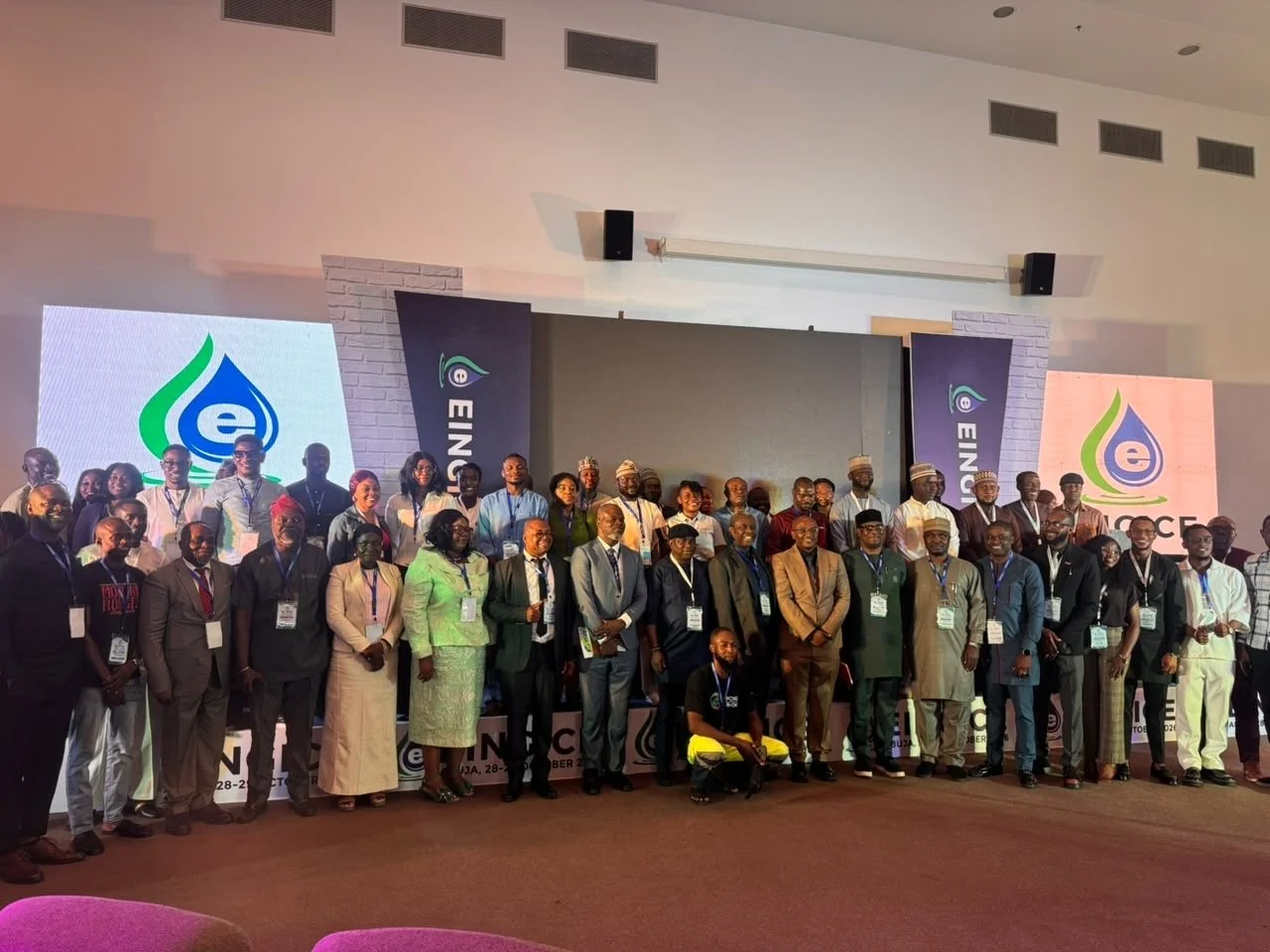
LCCI President Leye Kupoluyi presented the proposal at the chamber’s Power Sector Group conference in Lagos on 28 October 2026. He said unreliable electricity continues to raise production costs, weaken business margins and discourage investment.
For the property and construction sectors, the proposal highlights the importance of dependable power in determining the cost of developing, operating and occupying residential and commercial buildings.
Electricity Costs Remain a Property Market Constraint
Unreliable electricity affects property costs beyond monthly utility bills. Developers may need to provide generators, inverters, solar systems and battery storage in new buildings, adding to initial construction costs. Landlords and commercial property operators also face fuel, maintenance and equipment expenses when grid supply cannot meet tenants’ needs.
These costs can influence rents, service charges and the overall affordability of occupying a property. Businesses seeking office, retail or industrial space must also consider whether a location has reliable electricity and whether the cost of alternative power makes operations commercially viable.
Dedicated power hubs could offer an alternative for developments and business districts that can support shared energy infrastructure. However, their value would depend on the cost of electricity, the reliability of supply, the arrangements for connecting customers and the ability of operators to maintain the facilities.
The LCCI proposal does not yet establish the locations, investment requirements, tariffs or delivery timetable for such hubs. It therefore represents a potential model for improving supply rather than a confirmed reduction in property operating costs.
Gas Generation Must Be Matched by Distribution Investment
Kupoluyi identified natural gas as an important resource for improving electricity generation, noting that gas-fired plants can provide dispatchable power to complement renewable energy. He nevertheless cautioned that additional gas generation alone would not resolve Nigeria’s electricity challenges.
Transmission and distribution constraints, metering gaps, market liquidity and operational inefficiencies must also be addressed to ensure that electricity reaches consumers consistently.
The distinction matters for property developers and investors. Additional generation capacity will have limited value for a housing estate, shopping centre or industrial facility if the distribution network cannot deliver power reliably or if the final cost remains unaffordable.
The proposed hubs would therefore require more than generation equipment. Their viability would depend on gas availability, grid connections where applicable, distribution infrastructure, financing and commercially sustainable arrangements for supplying customers.
Lagos Faces a Wide Gap Between Power Supply and Demand
Lagos State Commissioner for Energy and Mineral Resources Biodun Ogunleye said Lagos receives approximately 1,000 megawatts from the national grid, compared with estimated electricity demand exceeding 6,000MW.
The state is targeting about 6,000MW of electricity capacity, comprising 4,000MW from gas-fired generation and 2,000MW from renewable sources. Achieving that ambition would require investment in generation, gas supply and the infrastructure needed to deliver electricity to consumers.
For Lagos’ property market, more dependable power could support commercial activity and improve the operating conditions of residential estates, offices, retail centres and industrial developments. But additional capacity would need to translate into reliable supply at competitive prices before developers, landlords and occupiers could realise those benefits.
Private Investment and Delivery Will Determine the Outcome
The LCCI proposal points towards a model in which private capital helps provide dedicated electricity infrastructure for areas with concentrated demand. Such arrangements could create opportunities for energy developers, infrastructure investors and property owners willing to support shared power systems.
However, investors would need clarity on regulation, pricing, customer demand, fuel supply and distribution rights before committing capital. The model must also protect consumers from excessive costs while giving operators sufficient revenue to maintain and expand infrastructure.
For NHM readers, the key issue is whether proposed electricity hubs move beyond conference recommendations into funded projects with disclosed locations, delivery schedules and transparent pricing.
More reliable power could help reduce the cost pressures facing property developers and occupiers. Until projects are funded and operational, however, the proposal remains a possible response to one of the built environment’s persistent cost constraints.
READ MORE