Nigeria’s 14.9 Million Housing Deficit Deepens Affordability Crisis
Mounting Housing Deficit Raises Urgency for Policy Reform in Nigeria
Nigeria is grappling with an estimated housing deficit of 14.9 million units, a shortfall that continues to worsen living conditions and affordability for millions of citizens. The scale of the deficit highlights deep structural challenges in housing supply, financing, and urban planning across the country.
Scale and Drivers of the Housing Deficit
The housing gap reflects a long-standing imbalance between rapid population growth and inadequate housing delivery. Urban centres continue to expand as rural-to-urban migration accelerates, placing intense pressure on existing housing stock.
/ You Might Also Like /




High construction costs, limited access to land, and weak mortgage systems have constrained supply. Developers face rising input costs driven by inflation, currency volatility, and reliance on imported building materials.
At the same time, low income levels and limited access to long-term financing restrict demand for formal housing, further widening the gap between supply and affordability.
Affordability Crisis and Social Impact
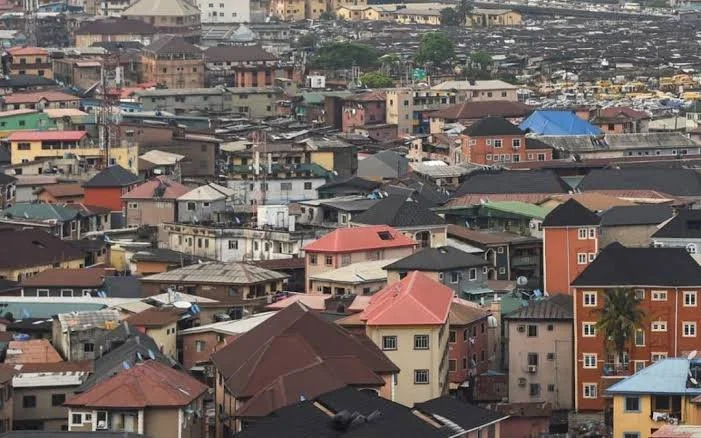
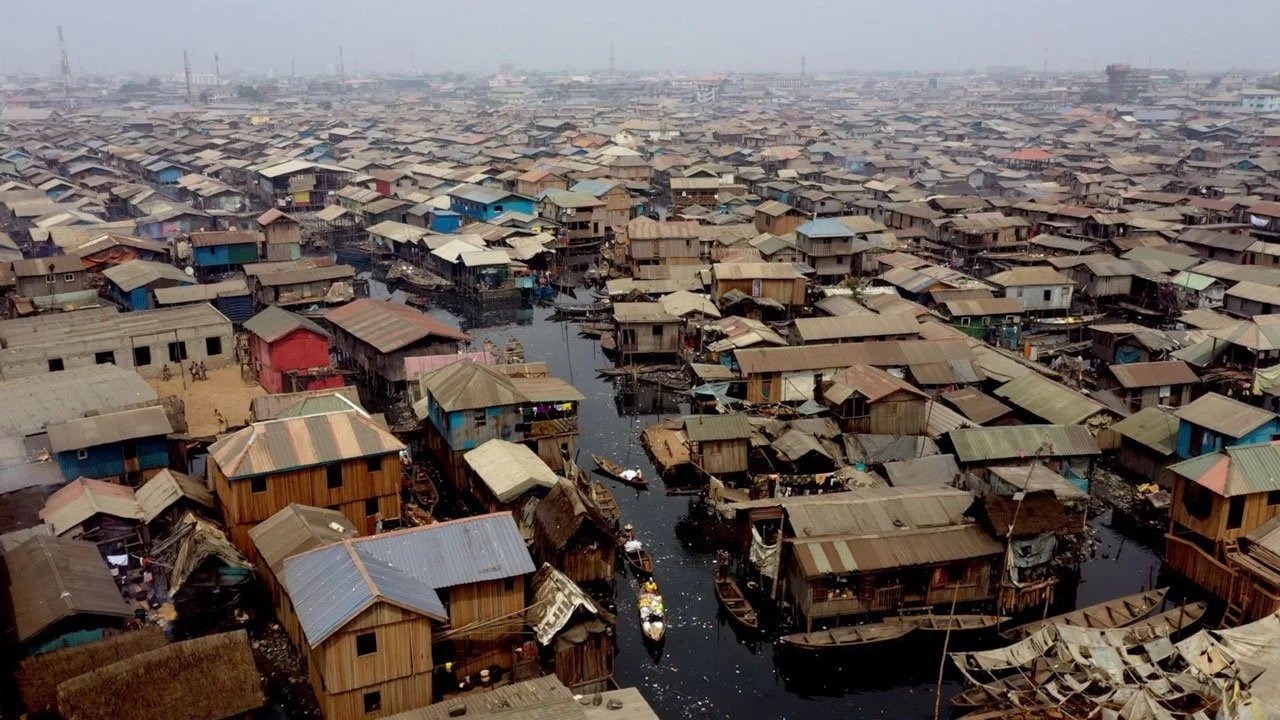
For many Nigerians, access to decent housing has become increasingly difficult. Rising rents and property prices have pushed households into overcrowded and informal settlements.
Low- and middle-income earners are disproportionately affected, often allocating a significant share of their income to rent. This reduces disposable income and limits economic mobility.
The shortage also contributes to the proliferation of slums and substandard housing, with implications for public health, safety, and overall quality of life.
Financing Constraints in the Housing Sector
A major constraint is the limited availability of affordable mortgage financing. Nigeria’s mortgage penetration remains low, with high interest rates and short loan tenures discouraging uptake.
Institutions such as the Federal Mortgage Bank of Nigeria play a key role in providing housing finance, but funding gaps and structural inefficiencies limit their impact.
Access to long-term, low-cost financing remains critical to unlocking large-scale housing development.
Infrastructure and Land Challenges
Land acquisition and infrastructure deficits further complicate housing delivery. In many urban areas, unclear land titles and bureaucratic processes delay development projects.
Inadequate infrastructure such as roads, power, and water also increases construction costs and reduces the viability of large-scale housing schemes.
These challenges create barriers for both private developers and public housing initiatives.
Policy and Reform Imperatives
Expanding Housing Supply
Government and private sector collaboration is essential to scale up housing delivery. Public-private partnerships can help mobilise resources and expertise.
Improving Housing Finance
Developing a more accessible mortgage system, including lower interest rates and longer repayment periods, can improve affordability and stimulate demand.
Strengthening Land Administration
Reforms aimed at simplifying land registration and improving transparency can reduce delays and encourage investment.
Supporting Local Building Materials
Promoting local production of building materials can reduce reliance on imports and lower construction costs.
Economic and Development Implications
The housing sector has significant multiplier effects on the broader economy. Increased housing development can drive job creation, stimulate demand for construction materials, and support infrastructure growth.
Addressing the housing deficit is therefore not only a social priority but also an economic imperative.
Nigeria’s 14.9 million housing deficit underscores the urgency of comprehensive reforms across housing finance, land administration, and urban planning. Without decisive action, the gap will continue to widen, exacerbating affordability challenges and urban inequality.
Sustainable solutions will require coordinated efforts from policymakers, financial institutions, and private developers to deliver affordable housing at scale and improve living conditions for millions of Nigerians.
READ MORE