Recycling Economy Creates New Income Stream for Nigerian Scavengers
Rising Demand for Recyclables Boosts Informal Sector Earnings
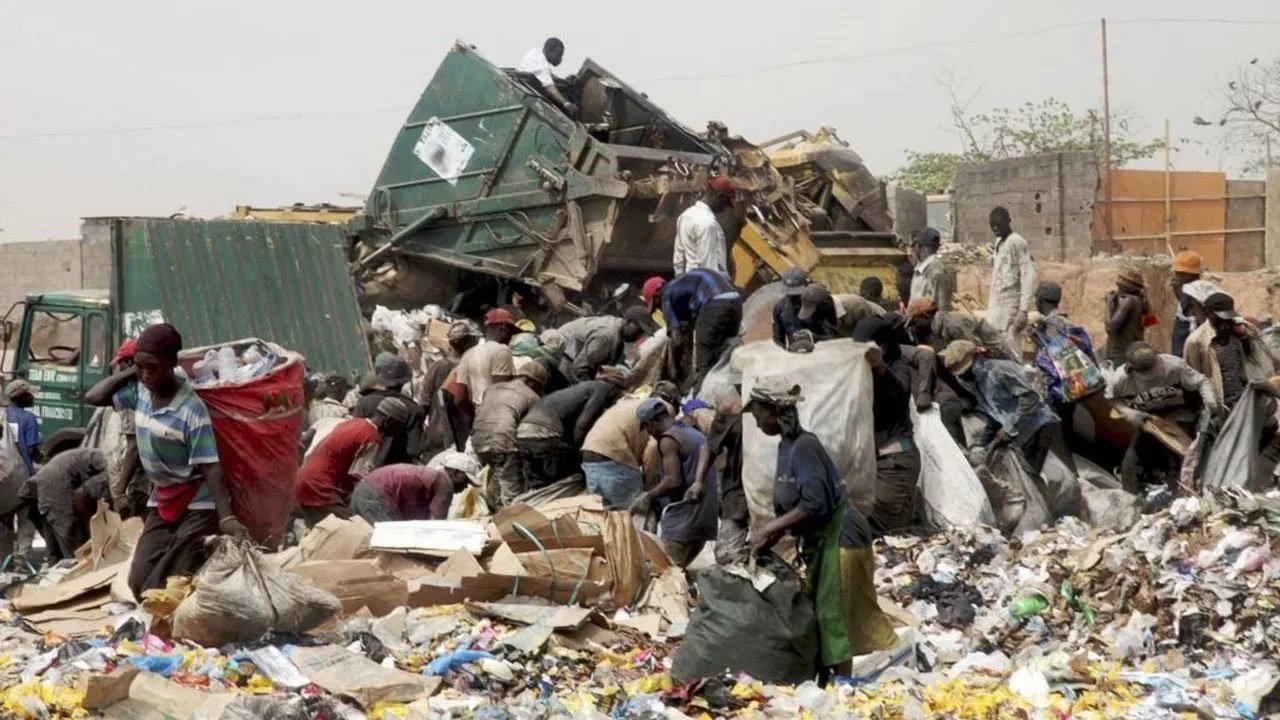
Nigeria’s informal recycling sector is experiencing rapid growth, with scavengers reportedly earning as much as ₦400,000 per month amid rising demand for recyclable materials. The trend reflects a broader shift towards waste-to-wealth initiatives and increasing private sector participation in recycling value chains.
Rising Demand Fuels Income Growth
The surge in earnings is driven by heightened demand for recyclable materials such as plastics, metals, and paper. Recycling companies and aggregators rely heavily on informal waste pickers to supply raw materials, creating a steady income stream for participants in the sector
/ You Might Also Like /




Industry participants note that improved pricing for recyclable waste has made scavenging a more viable livelihood, particularly in urban centres where waste generation is high. The sector’s expansion has also been supported by growing environmental awareness and corporate sustainability initiatives.
Informal Sector as a Key Economic Contributor
Scavengers operate within Nigeria’s informal economy but play a critical role in waste management and resource recovery. Their activities help reduce landfill pressure, improve environmental outcomes, and support industrial recycling processes.
The income potential reaching up to ₦400,000 monthly in some cases positions recycling as a competitive alternative to many informal jobs. This shift highlights the increasing monetisation of waste and the emergence of a circular economy model in Nigeria.
Job Creation and Economic Opportunities
The recycling value chain continues to generate employment opportunities across collection, sorting, processing, and logistics. Industry projections suggest that Nigeria’s scrap and waste sector could create millions of additional jobs as investment increases and infrastructure improves.
This growth aligns with broader economic diversification efforts, particularly as policymakers seek to reduce dependence on oil revenues and expand non-oil sectors.
Challenges and Structural Constraints
Despite strong income potential, the sector faces structural challenges. Scavengers often operate without formal recognition, access to financing, or social protections. Working conditions can also be hazardous, raising concerns about health and safety standards.
Additionally, inefficiencies in waste collection systems and limited recycling infrastructure continue to constrain the sector’s full potential. Addressing these gaps will be critical to scaling operations and improving productivity.
Policy and Investment Implications
The growth of Nigeria’s recycling sector underscores the need for supportive policy frameworks. Experts advocate for formalisation initiatives, improved access to credit, and investment in recycling infrastructure to enhance efficiency and sustainability.
Public-private partnerships could also play a key role in expanding waste management systems and integrating informal workers into structured value chains.
Outlook
The rise in scavenger earnings reflects a broader transformation within Nigeria’s waste management landscape. As demand for recyclable materials continues to grow, the sector is likely to attract increased investment and policy attention.
Sustained growth will depend on formalisation, infrastructure development, and regulatory support. If effectively managed, Nigeria’s recycling industry could become a significant source of employment, environmental sustainability, and economic value creation.
READ MORE