Infrastructure Identified as Key to Solving Nigeria’s Housing Crisis
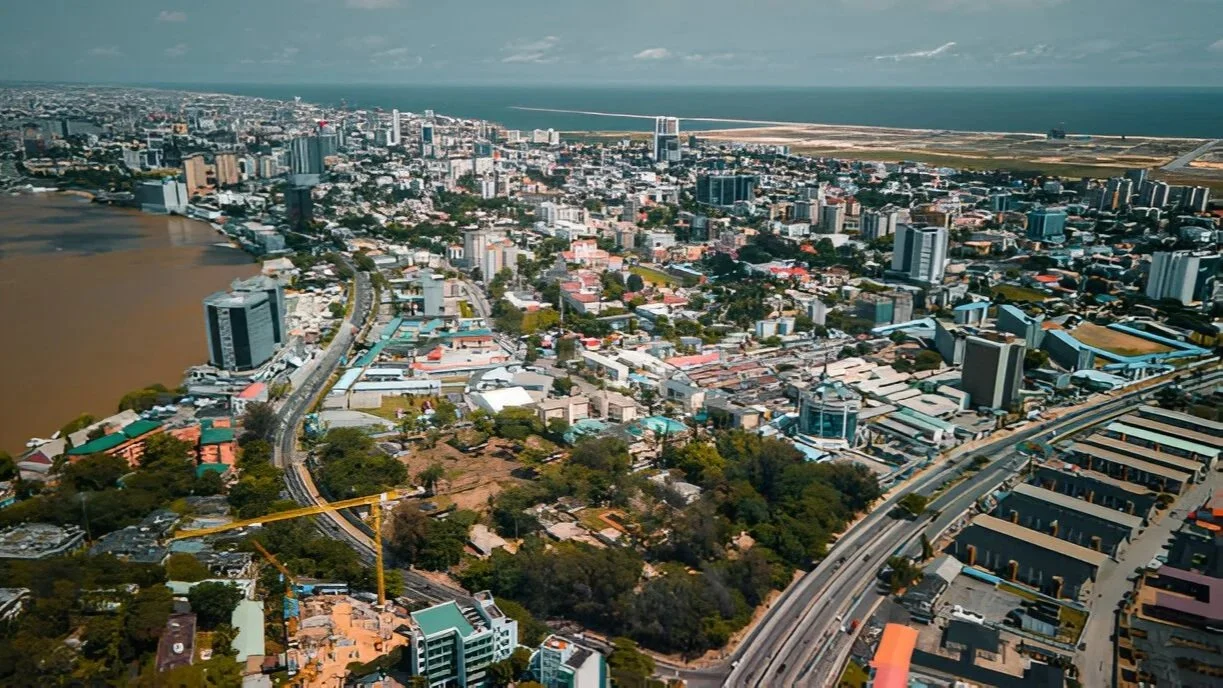
Poor Infrastructure Undermining Housing Delivery in Nigeria
Experts in Nigeria’s housing sector have identified inadequate infrastructure as a primary constraint to resolving the country’s housing deficit, stressing that large-scale investment in roads, power, and basic services is essential to unlock housing supply. According to Housing TV Africa, stakeholders emphasised that without integrated infrastructure development, efforts to deliver affordable housing will remain limited in scale and impact.
Housing Deficit and Structural Pressures
Nigeria’s housing shortfall remains severe, with estimates placing the deficit at approximately 14.9 million units, according to the Federal Ministry of Housing and Urban Development.
/ You Might Also Like /




Rapid urbanisation, population growth, and rising construction costs continue to intensify demand for housing, particularly in major cities. However, experts argue that the absence of supporting infrastructure—such as access roads, electricity, water supply, and drainage systems—has significantly constrained new housing development.
Infrastructure as a Catalyst for Housing Supply
Industry stakeholders highlight that infrastructure development directly influences the cost and viability of housing projects. In many cases, developers are forced to provide basic infrastructure independently, which increases project costs and ultimately raises property prices for end users.
Experts note that coordinated public investment in infrastructure would reduce development costs, improve land accessibility, and enable large-scale housing delivery. This approach aligns with global best practices, where governments typically provide trunk infrastructure to support residential expansion.
Cost Implications and Affordability Challenges
The lack of infrastructure has contributed to escalating construction costs across Nigeria. Developers face additional expenses related to site preparation, alternative power generation, and water provision, all of which are passed on to buyers and renters.
As a result, affordability remains a critical issue. Even where housing units are delivered, many remain out of reach for low- and middle-income households, reinforcing the demand-supply imbalance.
Urban Planning and Policy Coordination
Experts also stress the need for improved urban planning and stronger coordination between federal, state, and local governments. Fragmented planning systems and inconsistent policy implementation have limited the effectiveness of housing initiatives.
There are calls for integrated development models that combine housing delivery with transport networks, utilities, and social infrastructure. Such an approach would ensure that new housing developments are both accessible and sustainable.
Broader Economic Implications
Infrastructure-linked housing development has significant economic potential. Large-scale projects can generate employment, stimulate local industries, and support economic growth. Conversely, persistent infrastructure gaps continue to limit the sector’s contribution to GDP and broader economic development.
Outlook
The consensus among stakeholders is clear: addressing Nigeria’s housing crisis requires more than financing and policy reforms it demands substantial investment in enabling infrastructure.
Without reliable roads, power, and essential services, housing delivery will remain constrained, regardless of policy ambition. Moving forward, coordinated infrastructure planning and execution will be critical to bridging Nigeria’s housing gap and achieving sustainable urban development.
READ MORE