Africa’s Housing Crisis Deepens as Youth Face Growing Barriers
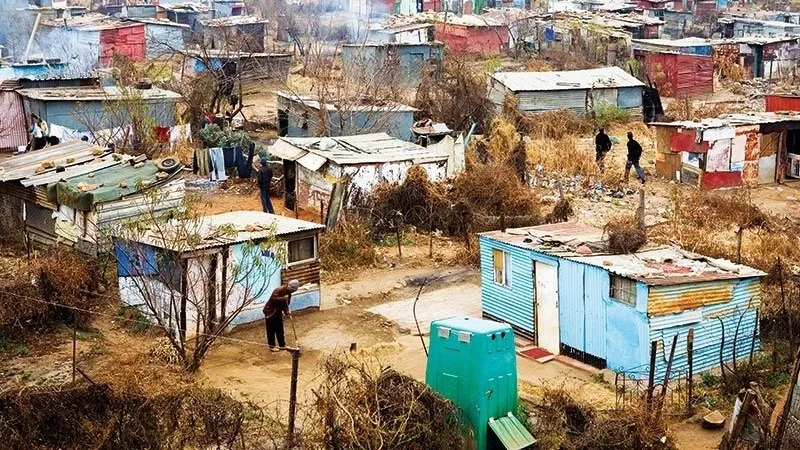
Young Africans Bear the Brunt of the Continent’s Housing Shortage
Africa’s housing crisis is intensifying, with young people emerging as one of the most affected groups. Rapid urbanisation, rising housing costs, and limited access to finance are making it increasingly difficult for youth across the continent to secure affordable and adequate housing.
Growing Housing Demand Amid Urbanisation
Africa is experiencing one of the fastest urbanisation rates globally, with millions of young people migrating to cities in search of education and employment opportunities.
/ You Might Also Like /




This demographic shift is driving a surge in housing demand, particularly in major urban centres. However, housing supply has not kept pace, resulting in increased pressure on existing infrastructure and housing stock.
The mismatch between demand and supply continues to widen the housing deficit across the continent.
Youth Disproportionately Affected
Young people face unique barriers in accessing housing. Limited income levels, unstable employment, and lack of credit history make it difficult to secure mortgages or long-term rental agreements.
As a result, many are forced into informal settlements, shared accommodation, or substandard housing conditions. This has broader implications for quality of life, productivity, and social mobility.
The inability to access decent housing also delays key life milestones, including family formation and asset accumulation.
Affordability Constraints and Financing Gaps
Housing affordability remains a critical challenge. Property prices and rents continue to rise faster than income levels in many African cities.
Access to housing finance is limited, with high interest rates and strict lending requirements restricting mortgage uptake. Financial systems in many countries are not adequately structured to support first-time buyers, particularly young people.
Without access to affordable financing, homeownership remains out of reach for a significant portion of the youth population.
Structural Challenges in Housing Supply
Several structural factors contribute to the housing crisis:
High cost of construction materials
Limited access to serviced land
Weak infrastructure development
Inefficient land administration systems
These challenges increase the cost of housing delivery and reduce the availability of affordable units.
In addition, regulatory bottlenecks and bureaucratic delays further slow down housing development across many African countries.
Economic and Social Implications
Impact on Workforce Productivity
Poor housing conditions can affect health, well-being, and productivity, particularly among young workers who form a significant portion of the labour force.
Urban Inequality
The concentration of youth in informal settlements contributes to widening inequality and places additional strain on urban infrastructure and services.
Long-Term Economic Risks
Limited access to housing reduces opportunities for wealth creation and financial stability, affecting long-term economic growth prospects.
Policy and Reform Priorities
Expanding Affordable Housing Supply
Governments and private sector stakeholders need to prioritise large-scale affordable housing programmes targeted at young people.
Improving Access to Finance
Innovative financing solutions such as rent-to-own schemes, housing cooperatives, and subsidised mortgage programmes can help bridge the affordability gap.
Strengthening Urban Planning
Integrated urban planning is essential to ensure that housing development aligns with infrastructure and service delivery.
Promoting Youth-Focused Policies
Housing policies should explicitly address the needs of young people, recognising their role in shaping the continent’s economic future.
Africa’s housing crisis is not only a structural challenge but also a generational issue, with young people facing significant barriers to accessing decent housing. As urban populations continue to grow, addressing youth housing needs will be critical to ensuring inclusive and sustainable development.
Without targeted interventions, the gap between housing demand and supply will continue to widen, limiting opportunities for millions of young Africans and posing long-term risks to economic stability and social cohesion.
READ MORE