Nigeria Housing Crisis Deepens as Rising Rents Put Millions Under Pressure
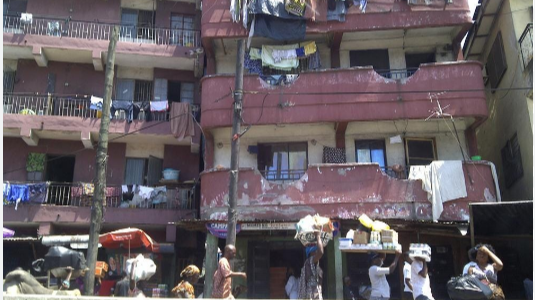
Rising Rents, High Construction Costs Deepen Nigeria’s Housing Crisis
Nigeria’s housing crisis is deepening as rising rents continue to outpace household incomes, leaving millions of residents under increasing financial pressure. The situation is particularly severe in Lagos, where a housing deficit of more than 3.4 million units has continued to push rental costs higher.
The Housing TV Africa report highlights a broader challenge facing the country: the problem extends beyond the number of homes available. Overcrowding, poor building quality and inadequate access to basic services also contribute to the housing shortage and affect the ability of households to secure decent accommodation.
/ You Might Also Like /




Nigeria’s Housing Deficit Remains High
The Federal Ministry of Housing and Urban Development estimates Nigeria’s housing deficit at between 14.9 million and 15.2 million units as of early 2026.
Although the estimate is lower than previous figures exceeding 20 million units, the current gap remains substantial. The deficit also reflects homes that do not meet acceptable standards, including overcrowded accommodation and buildings with inadequate access to essential services.
The scale of the shortage means that housing supply must increase significantly to meet demand created by population growth, migration and urbanisation.
Lagos Faces Severe Housing Pressure
Lagos remains one of the clearest examples of the country's housing affordability challenge.
The state's housing deficit stands at more than 3.4 million units, while continued population growth and migration have increased demand for accommodation.
Housing TV Africa reports that a basic self-contained apartment can cost between ₦1 million and ₦1.5 million annually in areas including Ajegunle, Ikorodu and Agege. For low-income workers and small-business owners, such costs can consume a substantial portion of household earnings.
The pressure has also contributed to overcrowding and the growing practice of households sharing accommodation to reduce housing expenses.
Rent Growth Outpaces Household Income
The affordability challenge becomes more pronounced when rent increases are compared with income growth.
Research presented by GTI Capital Research estimates that rents across Lagos increased by between 80% and 120% from 2024 to 2026, while wages increased by only about 7% to 9%.
The disparity has widened the gap between what households earn and what they must spend to secure accommodation.
GTI Capital Research also estimates Lagos' property price-to-income ratio at 19.2 times, significantly above the five-times level used in its research to indicate severe unaffordability.
High Construction Costs Push Rents Higher
Rising construction costs remain another major driver of housing prices.
The cost of cement, reinforcement steel, roofing materials and other building inputs has increased, while inflation and naira depreciation have raised the cost of imported components and equipment.
Higher development costs ultimately affect the price at which developers must sell or rent properties to recover their investment.
Housing TV Africa also reports concerns raised by industrialist Aliko Dangote over government charges within the cement value chain, which he said account for as much as 56 kobo of every ₦1 earned from cement sales.
Land Costs Add to Development Challenges
Land acquisition and documentation remain significant components of housing development costs.
Slow title processing, land disputes and property racketeering can increase project timelines and financial exposure for developers.
Informal charges at construction sites can also add to the cost of development, while agency fees can increase the financial burden on tenants.
These costs ultimately affect the final price of housing and make it more difficult for developers to deliver homes within the reach of lower- and middle-income households.
Housing Supply Is Failing to Match Demand
The fundamental challenge remains the gap between housing demand and formal supply.
Population growth and migration continue to generate new demand, particularly in major urban centres. However, developers face high construction costs, expensive land and limited access to affordable long-term finance.
These conditions can make high-value developments more financially attractive because developers can achieve stronger returns from premium properties.
The result is a mismatch between the type of housing the market needs and the type of housing that developers can deliver profitably.
Rising Rents Have Wider Economic Effects
The consequences of rising housing costs extend beyond the property market.
When households allocate a larger proportion of their income to rent, less money remains available for food, education, healthcare, transportation and other essential expenses.
High housing costs can therefore weaken household purchasing power and increase financial vulnerability.
For businesses, expensive accommodation can also affect workers' ability to live close to employment centres, increasing commuting distances and transport costs.
Lagos Tenancy Reforms Offer Some Protection
Recent tenancy legislation in Lagos seeks to address some challenges affecting renters, including excessive advance-rent demands and arbitrary eviction practices.
However, regulatory protection cannot resolve the underlying supply shortage on its own.
The state needs significantly more housing supply alongside improved access to housing finance, more efficient land administration and faster development approvals.
Without addressing supply, measures designed to regulate rental practices may have limited impact on the overall affordability challenge.
Technology Could Improve Rental Market Transparency
Digital technology could provide another avenue for improving the rental market.
Centralised systems for rent payments, tenancy records and property information could increase transparency and reduce disputes between landlords, agents and tenants.
Digital land and property records could also make it easier to verify ownership and reduce some of the risks associated with informal property transactions.
However, technology will need to complement broader reforms in land administration, housing finance and regulation.
More Investment Needed in Affordable Housing
Closing Nigeria's housing gap will require significantly greater investment from both public and private sources.
Public-private partnerships can help mobilise capital for large-scale housing projects, while government incentives could reduce some of the costs faced by developers.
GTI Capital Research estimates that Lagos requires approximately ₦6 trillion in annual housing investment to address its 3.4 million-unit deficit. The research also identifies pension funds, REITs, bonds and asset-backed securities as potential sources of long-term housing capital.
Greater institutional participation could provide developers with longer-term funding while reducing reliance on expensive short-term financing.
Infrastructure and Housing Must Develop Together
Infrastructure investment also has a direct impact on property values and housing affordability.
GTI's research identifies roads, transport systems, drainage and electricity as major factors influencing property values across Lagos. Improved infrastructure can make new areas more attractive, but it can also push land and property prices higher when housing supply does not expand at the same pace.
This makes coordinated urban planning important. New infrastructure should be accompanied by housing development strategies that preserve access to affordable accommodation.
Housing Crisis Requires Wider Reform
Nigeria's housing challenge cannot be addressed simply by constructing more buildings.
Land administration, construction costs, financing, building regulation, infrastructure and rental practices all influence the final cost of accommodation.
For policymakers, the priority should therefore be to create an environment where developers can build at scale while ensuring that new housing remains accessible to the households that need it most.
For investors and developers, the large gap between demand and supply also represents significant long-term market potential, particularly in affordable housing, rental housing and other segments serving the mass market.
Outlook
Nigeria's rising rents reflect a wider structural imbalance between housing demand, household incomes and the country's capacity to deliver affordable homes at scale. The pressure is particularly acute in Lagos, where the housing deficit and rapid urbanisation continue to push accommodation costs higher.
Addressing the crisis will require more than rent regulation. Expanded housing finance, improved land administration, lower development costs, faster approvals and greater private-sector and institutional investment will be critical to increasing supply. Without a substantial increase in affordable housing delivery, rising rents are likely to remain a major pressure on Nigerian households and the wider economy.
READ MORE