Nigeria’s Debt Burden Deepens with ₦8.1tn Borrowing in 2026
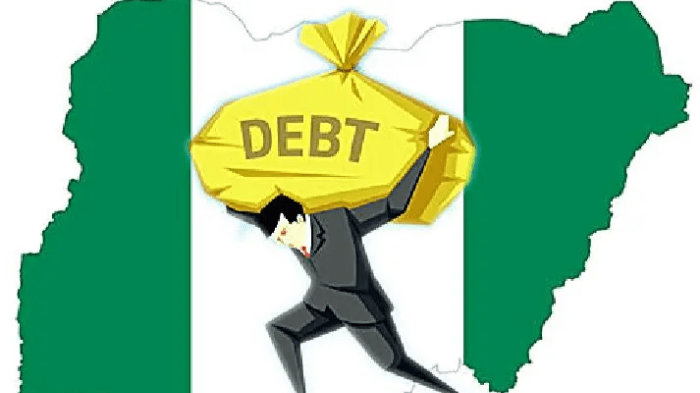
₦8.1tn Borrowing Highlights Widening Fiscal Gap
Nigeria’s fiscal pressures are intensifying as the Federal Government has already borrowed approximately ₦8.1 trillion in 2026, underscoring the scale of its financing needs amid a widening budget deficit. The development has raised fresh concerns among economists and policymakers about debt sustainability and the long-term implications for economic stability.
Rising Borrowing Amid Expanding Deficit
The latest borrowing reflects the government’s reliance on debt to finance a growing fiscal gap. Nigeria’s 2026 budget framework projects a significant deficit, driven by rising expenditure commitments and relatively constrained revenue performance.
/ You Might Also Like /




According to budget data, total borrowing requirements for 2026 have been revised upward to about ₦29.2 trillion, highlighting the scale of financing needed to support government spending.
This increase aligns with broader fiscal trends, where expenditure growth continues to outpace revenue generation, necessitating sustained reliance on both domestic and external debt markets.
Debt Stock and Servicing Pressures
Nigeria’s overall public debt profile has been on a steady upward trajectory. Recent estimates indicate that total public debt could exceed ₦155 trillion following new borrowing approvals, reflecting continued accumulation of obligations.
At the same time, debt servicing costs remain a major fiscal constraint. The Federal Government allocated approximately ₦15.81 trillion to debt servicing in the 2026 budget, making it one of the largest expenditure components.
This dynamic limits fiscal flexibility, as a significant share of government revenue is directed toward servicing existing debt rather than funding capital projects or social programmes.
Drivers of Increased Borrowing
Several structural factors continue to drive Nigeria’s borrowing needs:
Revenue constraints: Oil revenue volatility and limited non-oil tax mobilisation reduce fiscal inflows
High recurrent expenditure: Personnel costs and administrative spending remain elevated
Infrastructure financing gaps: Significant capital investment is required to support economic growth
Debt refinancing obligations: Existing loans must be serviced or rolled over
In addition, macroeconomic pressures such as currency depreciation increase the naira value of external debt, further inflating the overall debt burden.
Economic Risks and Policy Concerns
Economists have warned that Nigeria faces increasing risks associated with rising debt levels. Key concerns include:
Debt sustainability: A growing debt stock relative to revenue raises repayment risks
Crowding out effect: Heavy government borrowing may limit private sector access to credit
Inflationary pressures: Financing deficits through borrowing can contribute to macroeconomic instability
Exchange rate vulnerability: External debt exposure heightens sensitivity to currency fluctuations
Analysts caution that without stronger revenue mobilisation and expenditure discipline, Nigeria could face a tightening fiscal environment in the medium term.
Implications for Investors and Markets
For investors, rising government borrowing presents a mixed outlook. On one hand, increased issuance of government securities creates opportunities in fixed-income markets. On the other hand, elevated debt levels may signal higher sovereign risk, influencing investment decisions.
Persistent fiscal deficits and debt accumulation could also impact Nigeria’s credit ratings and borrowing costs, particularly in international markets.
Policy Outlook and Reform Priorities
Addressing Nigeria’s debt challenge will require a combination of fiscal reforms and structural adjustments. Key priorities include:
Expanding the tax base and improving revenue collection efficiency
Rationalising public expenditure to reduce inefficiencies
Enhancing transparency in borrowing and debt utilisation
Prioritising productive investments that generate economic returns
Strengthening these areas will be critical to ensuring that borrowing supports sustainable growth rather than exacerbating fiscal vulnerabilities.
Conclusion
Nigeria’s ₦8.1 trillion borrowing in early 2026 highlights the scale of fiscal pressures facing the Federal Government. While borrowing remains a necessary tool for financing development, the pace of debt accumulation raises important questions about sustainability and economic resilience.
Going forward, the balance between debt-financed spending and revenue generation will determine the country’s fiscal stability and its ability to sustain long-term economic growth.
READ MORE