Real Estate Developer Counters Minister’s Allegations Over Project Funding

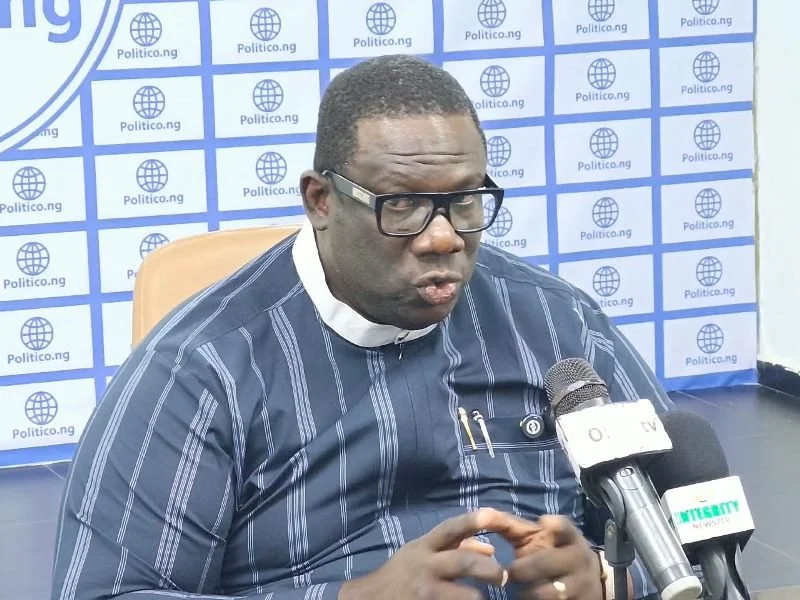
Stella Okengwu
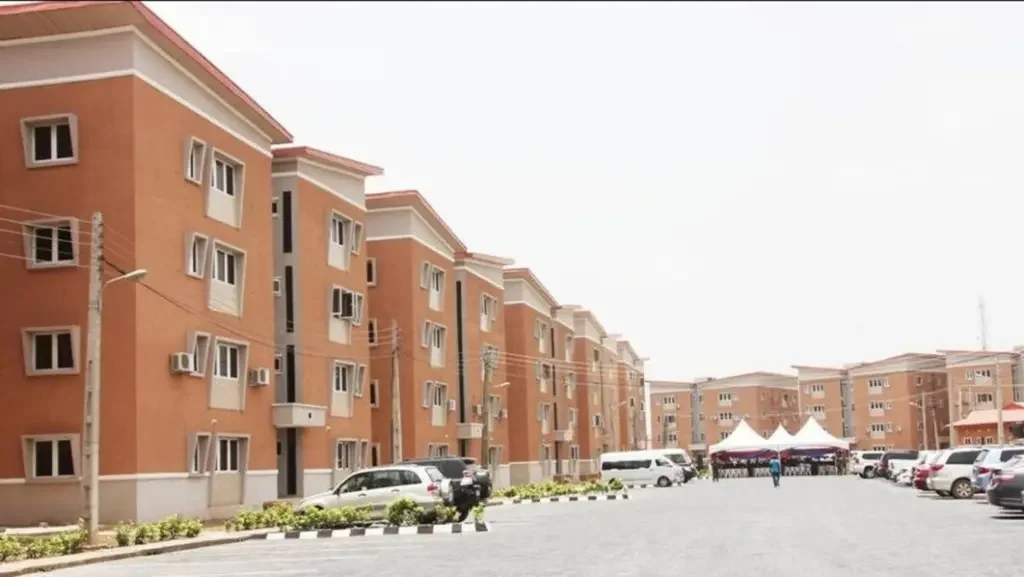
A Nigerian real estate developer, Winhomes Global Services Limited, has rejected fraud allegations made by the Minister of Works, David Umahi, firmly defending the legitimacy of its project funding structure. The dispute has drawn attention to transparency, regulatory clarity, and financing practices within Nigeria’s property development sector.
Dispute Between Developer and Government
The controversy centres on allegations raised by the Minister of Works, who questioned the funding sources behind a real estate project linked to Winhomes. In response, the developer, led by Managing Director Stella Okengwu, denied any wrongdoing and asserted that all financing arrangements comply with applicable laws and industry standards.
/ You Might Also Like /




The developer emphasised that its funding model is transparent and properly documented, rejecting claims that the project involved fraudulent activity.
Developer’s Position on Project Financing
Winhomes stated that its projects are financed through legitimate private investment channels and structured funding mechanisms common within the real estate sector.
According to the company, its financing approach aligns with established practices, including equity contributions and investor-backed development models. The firm maintains that all transactions are traceable and subject to regulatory oversight.
The developer also reiterated its commitment to due diligence, compliance, and accountability in executing housing projects.
Broader Context: Transparency in Real Estate Financing
The dispute highlights ongoing concerns around transparency and verification in Nigeria’s real estate sector, particularly in large-scale developments.
Industry stakeholders note that unclear funding structures can raise red flags for regulators, especially in a market where informal financing and limited disclosure remain prevalent.
Key challenges include:
Limited standardisation of project financing disclosures
Weak enforcement of reporting requirements
Investor exposure to opaque funding arrangements
These issues can create friction between developers and regulatory authorities, particularly when projects involve significant capital flows.
Regulatory and Investment Implications
For policymakers, the case underscores the need for clearer frameworks governing real estate financing and disclosure. Strengthening these systems could reduce disputes and improve trust between public institutions and private developers.
For investors, the situation reinforces the importance of conducting thorough due diligence, including verifying funding sources, project approvals, and developer track records before committing capital.
Disputes of this nature can also impact market perception, particularly in high-value urban developments where credibility and transparency are critical.
Sector-Wide Risks and Governance Considerations
Nigeria’s real estate sector continues to attract significant investment, but governance challenges remain a key concern.
Experts point out that:
Transparent funding structures are essential for maintaining investor confidence
Regulatory clarity reduces the likelihood of reputational disputes
Strong institutional oversight helps prevent fraud and misrepresentation
The absence of these elements can lead to conflicts that affect both project delivery and broader market stability.
Conclusion
The disagreement between Winhomes and the Minister of Works reflects deeper structural issues within Nigeria’s real estate ecosystem, particularly around transparency and regulatory alignment.
While the developer has firmly denied the allegations and defended its funding model, the case highlights the need for stronger disclosure standards and clearer communication between regulators and private sector actors.
As Nigeria’s housing market continues to expand, ensuring transparency in project financing will be critical to sustaining investor confidence and long-term sector growth.
READ MORE