Crop Production Powers Agriculture Sector Growth to ₦11.87 Trillion
Nigeria’s agricultural sector recorded a 3.15% year-on-year growth in real Gross Domestic Product (GDP) during the first quarter of 2026, with total output rising to ₦11.87 trillion from ₦11.51 trillion recorded in the corresponding period of 2025. According to data released by the National Bureau of Statistics (NBS), crop production remained the dominant driver of growth, reinforcing agriculture’s position as a key pillar of the country’s non-oil economy.
The latest figures highlight a significant improvement from the marginal 0.07% growth recorded by the sector in the first quarter of 2025, reflecting stronger activity across crop production, livestock, forestry and fishing. The performance also contributed to Nigeria’s overall economic growth of 3.89% during the quarter.
/ You Might Also Like /




Crop Production Remains the Sector’s Main Driver
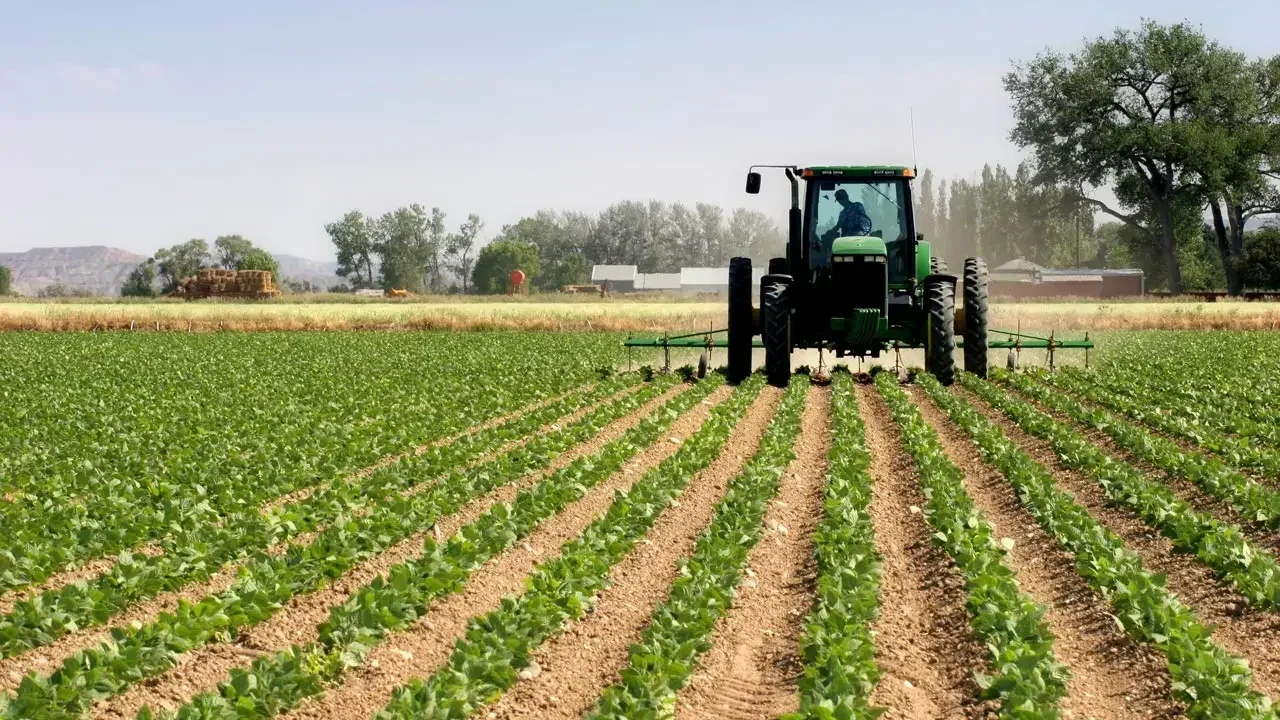
According to the NBS, crop production accounted for ₦8.9 trillion of total agricultural output in Q1 2026, representing approximately 66.8% of the sector’s nominal value. The sub-sector grew by 3.39% year-on-year from ₦8.6 trillion recorded during the same period in 2025.
The strong performance underscores the critical role of crop farming in Nigeria’s food supply chain and economic activity. Agriculture continues to provide employment for millions of Nigerians while supporting industries such as food processing, manufacturing and trade.
Industry analysts note that improved crop production remains essential to addressing food security concerns, reducing inflationary pressures and strengthening rural economies.
Livestock, Forestry and Fishing Record Positive Growth
Beyond crop production, other agricultural sub-sectors also posted positive results during the quarter.
The livestock sub-sector grew to ₦1.57 trillion, representing a 2.20% increase from ₦1.54 trillion in Q1 2025. Forestry recorded one of the strongest performances, expanding by 4.14% to ₦589.88 billion from ₦566.42 billion a year earlier. Meanwhile, the fishing sub-sector grew by 1.72% to ₦792.92 billion from ₦779.49 billion.
The broad-based expansion suggests improving activity across multiple segments of the agricultural value chain, although challenges related to productivity, logistics and financing remain.
Agriculture’s Contribution to the Economy
The NBS reported that agriculture contributed 23.16% of Nigeria’s real GDP during the first quarter of 2026. While this represents a substantial share of economic output, it was slightly lower than the 23.33% recorded in Q1 2025 and below the 28.66% contribution recorded in the fourth quarter of 2025.
In nominal terms, the sector accounted for 18.11% of GDP during the quarter. The decline in contribution percentage does not indicate weaker performance but reflects stronger growth in other sectors of the economy, particularly services and industry.
The services sector remained the largest contributor to GDP, accounting for 57.73% of total output, while agriculture continued to play a vital role in supporting non-oil growth.
Agriculture Supports Non-Oil Economic Expansion
The sector’s performance aligns with broader trends showing increasing reliance on non-oil activities as drivers of economic growth. According to NBS data, the non-oil sector accounted for more than 96% of Nigeria’s real GDP in the first quarter of 2026. Agriculture, telecommunications, trade, construction and financial services were among the leading contributors to growth.
Economists view the rebound in agriculture as particularly important given the sector’s strategic role in employment generation, food production and poverty reduction. Stronger agricultural output can also help moderate food inflation, which remains a major concern for households and businesses.
Challenges Remain Despite Growth
Despite the improved performance, the sector continues to face structural constraints. Security concerns in farming communities, inadequate rural infrastructure, high transportation costs, limited access to credit and climate-related risks continue to affect productivity across many agricultural regions.
Stakeholders have repeatedly called for increased investment in irrigation, storage facilities, rural roads and agricultural financing to support sustainable growth. Experts argue that improving value chains and reducing post-harvest losses will be critical to unlocking the sector’s full potential.
The continued expansion of agricultural production will also require stronger policy support, technology adoption and improved market access for farmers.
Implications for Housing and Infrastructure Development
Agricultural growth has broader implications for housing and infrastructure markets, particularly in rural and semi-urban communities. Rising agricultural productivity can stimulate demand for residential development, logistics facilities, storage infrastructure and transportation networks.
Improved rural incomes may also support housing construction and property investment in agricultural regions, contributing to more balanced economic development across the country.
For policymakers, strengthening agricultural productivity remains closely linked to broader objectives around economic diversification, employment creation and sustainable urban-rural development.
Outlook
Nigeria’s agricultural sector delivered a stronger performance in the first quarter of 2026, with output rising to ₦11.87 trillion and real growth reaching 3.15%. Driven primarily by crop production and supported by positive performance across livestock, forestry and fishing, the sector continues to serve as a cornerstone of the country’s non-oil economy.
While structural challenges persist, the rebound highlights agriculture’s capacity to support economic growth, strengthen food security and create opportunities across multiple sectors. As Nigeria pursues economic diversification, sustained investment in agricultural productivity and rural infrastructure will remain critical to maintaining growth momentum and improving long-term economic resilience.
READ MORE