NGX Expands Trading Hours to Seven Hours in Market Reform Push
Nigeria’s Stock Market Expands Trading Hours in Bid for Efficiency
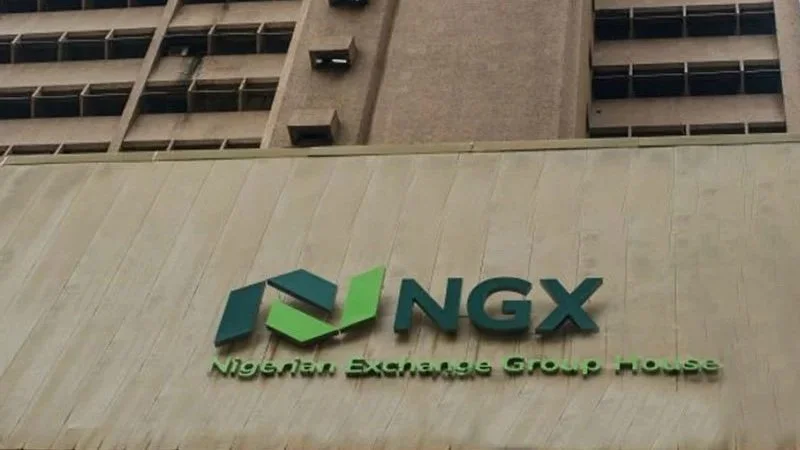
The Nigerian Exchange Limited (NGX) has extended its daily trading window to seven hours, from 9:00 a.m. to 4:00 p.m. West Africa Time, in a move aimed at deepening market liquidity and improving investor access. The new schedule will take effect from April 27, 2026, following approval from the Securities and Exchange Commission.
Previously, the market operated for approximately four and a half hours, opening at 9:30 a.m. and closing at 2:00 p.m. The extension represents a significant structural shift in Nigeria’s capital market operations.
/ You Might Also Like /




Enhancing Liquidity and Market Efficiency
According to NGX, the extended trading hours are designed to deepen liquidity, enhance price discovery, and broaden participation across the market. By increasing the available trading time, investors will have greater flexibility to execute transactions and respond to market-moving information in real time.
Longer trading sessions are widely associated with improved market efficiency, as they allow for better absorption of economic data, corporate disclosures, and global financial developments. This can help reduce volatility caused by compressed trading periods and improve overall price accuracy.
Alignment with Global Market Trends
The reform aligns Nigeria’s capital market more closely with international standards, where extended trading hours are common across major exchanges. It also supports increased participation from foreign investors operating across different time zones.
The development follows Nigeria’s recent reclassification to Frontier Market status by FTSE Russell, a move that has already heightened global interest in Nigerian equities.
Regulatory Coordination and Market Readiness
The expansion reflects coordinated efforts between NGX and regulators to strengthen market infrastructure. The SEC’s approval underscores a broader commitment to advancing capital market reforms and improving investor protection.
NGX noted that the implementation followed extensive stakeholder engagement to ensure operational readiness. The exchange’s regulatory arm will continue to oversee compliance and ensure a smooth transition to the new trading framework.
Implications for Investors and Capital Formation
For investors, the extended trading window provides more opportunities to react to earnings announcements, macroeconomic indicators, and global market trends. This is particularly relevant for institutional investors managing large portfolios and seeking greater flexibility in execution.
From a broader economic perspective, the reform is expected to strengthen capital formation by improving access to equity markets. Enhanced liquidity and participation can lower transaction costs, narrow bid-ask spreads, and support more efficient allocation of capital within the economy.
Outlook
The expansion of NGX trading hours marks a significant step in the modernisation of Nigeria’s financial markets. While the immediate impact will be measured through trading volumes and investor participation, the long-term objective remains clear: positioning Nigeria’s capital market as more competitive, accessible, and globally integrated.
For policymakers and investors, the reform underscores the importance of continuous market development in driving economic growth and attracting both domestic and international capital.
READ MORE