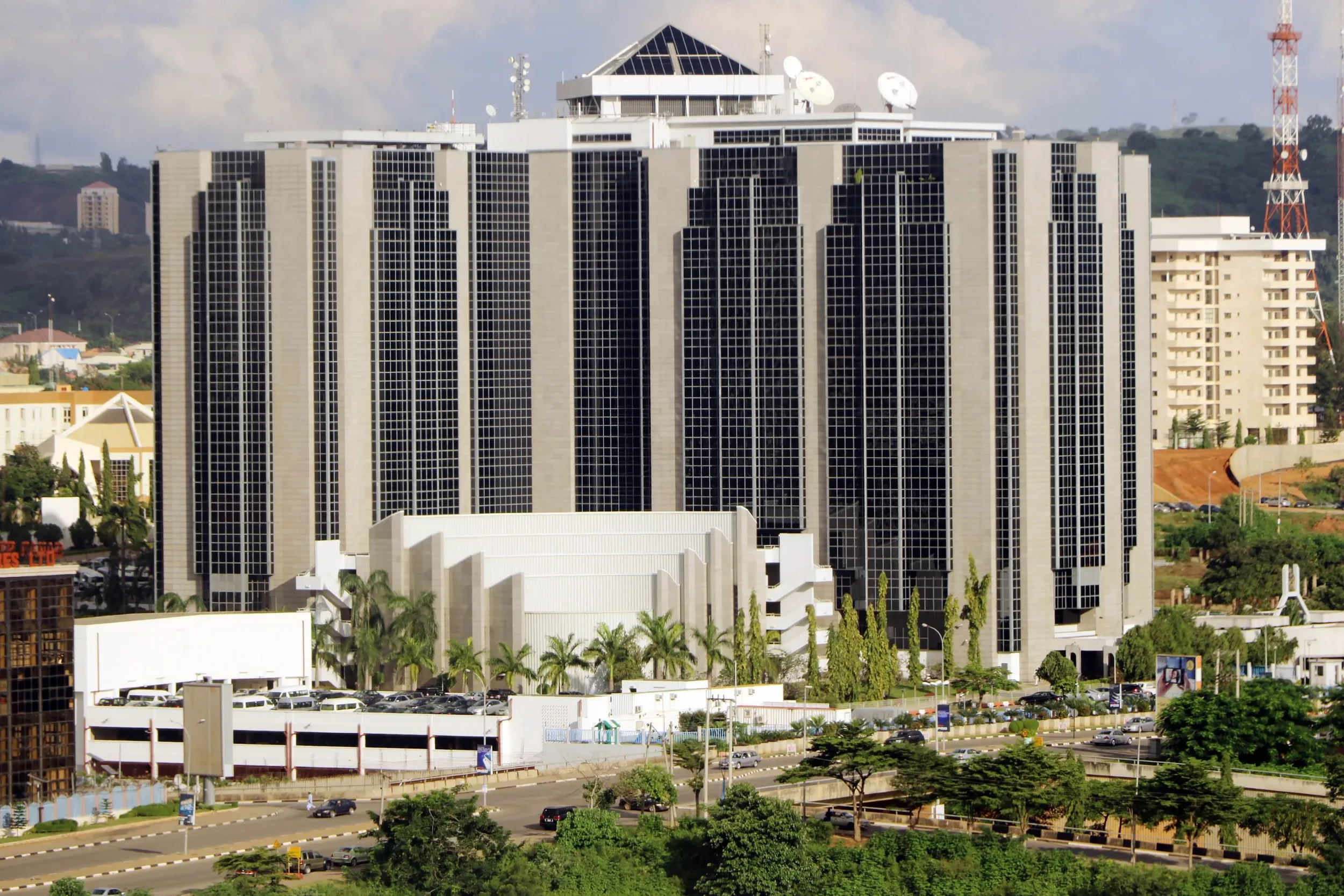
NDPHC Restores 450MW Alaoji Power Plant After Three-Year Shutdown
Restored Alaoji Plant Could Strengthen Power Supply in South-East Nigeria
The Niger Delta Power Holding Company (NDPHC) has restored operations at the 450-megawatt Alaoji Open Cycle Power Plant in Abia State after nearly three years of inactivity caused by gas supply disruptions, metering disputes, and outstanding financial obligations.
The development was announced by the Managing Director and Chief Executive Officer of NDPHC, Jennifer Adighije, during a meeting with Abia State Governor Alex Otti, where she outlined the measures taken to revive the facility and reconnect it to the national grid.
/ You Might Also Like /




NDPHC completes remedial works and restores gas supply
Adighije stated that the restoration of the Alaoji plant became a priority after she assumed office in 2024. She explained that NDPHC carried out extensive repairs on the plant’s gas infrastructure and settled outstanding obligations owed to TotalEnergies, enabling gas supply to resume.
The company also completed electromechanical rehabilitation works on several generating units within the facility. According to NDPHC, three generating units GT1, GT22, and GT23 have now been restored and are capable of dispatching approximately 375MW of electricity to the national grid.
Adighije noted that the plant possesses sufficient transmission infrastructure with limited evacuation constraints, positioning it as an important generation asset within Nigeria’s electricity network.
Alaoji plant remains a major national power asset
The Alaoji Power Plant, located near Aba in Abia State, is one of the major facilities developed under Nigeria’s National Integrated Power Projects (NIPP) programme. The project was originally conceived to strengthen national electricity generation capacity and improve power supply reliability across the country.
According to NDPHC project information, the facility operates as a gas-fired power plant and was designed to leverage the Niger Delta’s natural gas reserves to support electricity generation for the South-East region and the wider national grid.
The plant’s open-cycle component was commissioned in 2015, while additional combined-cycle expansion phases remain under development. NDPHC stated that the full combined-cycle configuration could eventually deliver significantly higher generation capacity.
Abia State seeks strategic electricity partnership
During the meeting, Adighije commended the Abia State Government for recent electricity sector reforms, particularly the Aba ring-fenced power arrangement and the establishment of a state electricity regulatory framework.
She said NDPHC intends to leverage the Electricity Act and the evolving bilateral electricity market structure to collaborate more closely with state governments and eligible electricity consumers.
“We would love to form a strategic alliance with Abia State,” Adighije said, according to BusinessDay, citing the state government’s commitment to improving electricity access and reliability.
Governor Otti welcomed the restoration of the plant, describing the development as important for industrialisation and economic growth within the state. He stated that the government plans to expand electricity infrastructure and improve energy availability across multiple local government areas.
The governor also disclosed that the Alaoji facility could potentially be expanded from its current 450MW capacity to approximately 800MW and eventually 1,100MW, subject to funding availability.
Nigeria’s power sector continues to face structural challenges
The restoration of the Alaoji plant comes at a time when Nigeria continues to face persistent electricity supply shortages driven by infrastructure deficits, gas supply constraints, transmission limitations, and liquidity challenges within the power sector.
Despite having an installed generation capacity exceeding 13,000MW, actual electricity delivery to consumers remains significantly lower because of operational inefficiencies and grid constraints.
Industry analysts say the return of the Alaoji facility could provide modest support to national generation capacity, particularly within the South-East region where industrial and commercial demand for electricity remains high.
The development also reflects growing efforts by both federal and state governments to strengthen regional electricity markets following reforms introduced under the Electricity Act, which allows states to play a larger role in electricity generation, distribution, and regulation.
Energy reforms and bilateral market opportunities
The evolving structure of Nigeria’s electricity market is creating new opportunities for direct partnerships between power generation companies, state governments, industrial clusters, and large commercial users.
Abia State has increasingly positioned itself as a potential beneficiary of these reforms, particularly through efforts to expand electricity access around Aba and Umuahia, two major commercial hubs in the state.
According to Governor Otti, the state has already initiated agreements relating to electricity distribution assets and intends to develop additional renewable energy and mini-grid projects alongside conventional generation infrastructure.
Energy experts note that improved coordination between generation companies, gas suppliers, regulators, and state governments will remain essential to achieving long-term improvements in electricity reliability across Nigeria.
Outlook
The restoration of the Alaoji Power Plant marks a significant development for Nigeria’s electricity sector after years of operational disruption at one of the country’s major generation facilities.
While the return of up to 375MW to the national grid may provide some relief to electricity supply constraints, broader improvements in power availability will depend on sustained investment in gas infrastructure, transmission capacity, market reforms, and operational efficiency.
As state governments increasingly pursue independent electricity arrangements under Nigeria’s evolving power sector framework, partnerships between public utilities and regional authorities could play a larger role in addressing long-standing energy shortages across the countr
READ MORE