Lagos Residents Say Rising Heatwaves Are Deepening Urban Inequality
Heatwave Crisis Highlights Infrastructure and Housing Challenges in Lagos
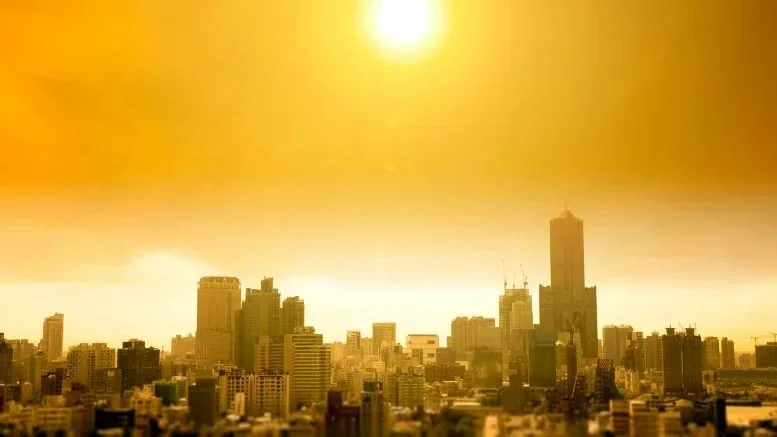
Residents across Lagos are expressing growing concern over intensifying heatwave conditions, with many arguing that rising temperatures are exposing deep inequalities in housing quality, electricity access, and urban infrastructure.
The concerns come amid persistent high temperatures and humidity levels affecting several parts of Nigeria’s commercial capital, where residents in densely populated and low-income communities say inadequate housing conditions and unreliable power supply are worsening the impact of extreme heat. According to residents interviewed by the News Agency of Nigeria (NAN), many households are struggling to cope with sleepless nights, overheated living spaces, and increasing health discomfort linked to prolonged heat exposure.
/ You Might Also Like /




Several residents said access to cooling systems such as fans and air conditioners remains limited due to irregular electricity supply and rising energy costs, creating disproportionate hardship for lower-income households.
Low-income communities face greater exposure
Urban development experts and environmental analysts have long warned that climate-related heat stress tends to affect poorer communities more severely because of housing density, limited green spaces, and inadequate infrastructure.
In many parts of Lagos, particularly informal settlements and densely populated neighbourhoods, buildings are often constructed with materials that absorb and retain heat. Combined with poor ventilation and limited tree cover, these conditions can significantly increase indoor temperatures during periods of extreme weather.
Residents told NAN that overcrowded living conditions and prolonged power outages are making daily life increasingly difficult. Some traders also reported declining productivity and customer activity as excessive heat affects outdoor commercial operations.
Public health experts note that prolonged exposure to high temperatures can contribute to dehydration, fatigue, respiratory complications, and cardiovascular stress, especially among children, elderly residents, and individuals with pre-existing medical conditions.
Climate change intensifying urban heat pressures
Meteorological experts have repeatedly linked rising heatwave events across parts of West Africa to broader climate change patterns and rapid urbanisation.
Lagos, one of Africa’s fastest-growing megacities, faces significant environmental pressures driven by population growth, land reclamation, traffic congestion, and declining green infrastructure. Analysts say these factors contribute to the “urban heat island” effect, where cities experience significantly higher temperatures than surrounding rural areas.
The Nigerian Meteorological Agency (NiMet) has previously warned of rising temperatures and extreme weather events linked to climate variability across the country. Environmental experts argue that rapidly expanding urban centres such as Lagos remain particularly vulnerable because infrastructure development has not kept pace with population growth and climate adaptation needs.
According to climate researchers, limited urban planning enforcement and insufficient investment in sustainable housing are increasing exposure to environmental risks for low-income populations.
Energy shortages compound the crisis
Residents interviewed by NAN highlighted unreliable electricity supply as one of the major factors worsening the heatwave’s impact.
Many households rely on electric fans, cooling systems, and refrigeration to manage heat conditions. However, recurring grid instability and high fuel prices for generators have limited access to affordable cooling solutions for many residents.
Nigeria continues to face persistent electricity generation and distribution challenges despite ongoing power sector reforms. Analysts note that inadequate electricity infrastructure not only affects economic productivity but also increases climate vulnerability during periods of extreme heat.
The situation has also renewed concerns over energy poverty in urban centres, where millions of households remain unable to access reliable and affordable electricity despite living in densely populated economic hubs.
Urban planning and housing concerns return to focus
The heatwave has intensified broader conversations around housing quality, urban planning, and environmental sustainability in Lagos.
Urban policy experts argue that climate adaptation strategies must increasingly focus on affordable housing design, improved drainage systems, green spaces, and climate-resilient infrastructure. They also note that low-income communities often receive less investment in environmental protection measures despite facing higher exposure to climate-related risks.
Environmental groups have called for stronger enforcement of building regulations, expansion of urban tree cover, and investment in renewable energy infrastructure to reduce long-term vulnerability to rising temperatures.
Some analysts also warn that worsening climate conditions could increase migration pressures within Lagos as residents seek areas with better living conditions and infrastructure access.
Heatwaves becoming a broader economic issue
Beyond public health concerns, economists note that prolonged heat conditions can also affect labour productivity, transportation systems, healthcare costs, and overall economic activity.
In commercial centres such as Lagos, extreme temperatures may reduce productivity among outdoor workers, traders, transport operators, and informal sector participants who often work without adequate environmental protection.
Businesses also face higher operational costs linked to cooling, energy consumption, and generator usage during periods of elevated temperatures and unstable electricity supply.
According to climate-focused economic studies, developing economies are expected to face increasing productivity losses and infrastructure strain if adaptation measures are not expanded alongside urban growth.
Outlook
The growing complaints from Lagos residents highlight the intersection between climate change, urban inequality, and infrastructure deficits in one of Africa’s largest cities.
As heatwaves become more frequent and severe, pressure is likely to increase on policymakers to address gaps in housing quality, electricity access, public health preparedness, and climate resilience.
Analysts say long-term solutions will require coordinated investment in sustainable urban planning, reliable energy infrastructure, and climate adaptation policies aimed at protecting vulnerable communities from worsening environmental conditions.
READ MORE