LASG Warns Illegal Dredging Could Increase Housing and Construction Costs in Lagos
Sand Depletion May Push Construction Costs Higher in Lagos, LASG Warns
The Lagos State Government has warned that illegal and uncontrolled dredging activities across the state could significantly increase construction and housing costs if stricter regulation and monitoring measures are not implemented.
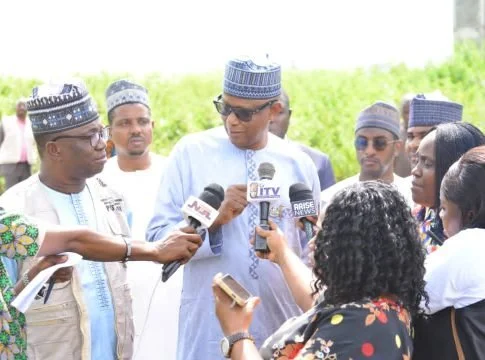
The warning was issued by the Commissioner for Waterfront Infrastructure Development, Dayo Bush-Alebiosu, during the 2026 Lagos State Ministerial Press Briefing held to mark Governor Babajide Sanwo-Olu’s third year in his second term. State officials said rising sand depletion across Lagos is beginning to place additional pressure on housing delivery, infrastructure development, and environmental sustainability.
/ You Might Also Like /




According to the commissioner, developers involved in land reclamation projects around the Lekki-Ajah corridor are increasingly sourcing sand from communities in Ikorodu due to declining deposits in traditional dredging locations closer to project sites.
Sand Scarcity Raises Pressure on Housing Delivery
The Lagos property market has continued to face mounting cost pressures driven by inflation, foreign exchange volatility, and rising prices of construction materials. Industry stakeholders now warn that worsening sand scarcity could further increase development expenses across the real estate sector.
Bush-Alebiosu stated that the depletion of sand reserves could directly affect infrastructure and housing delivery costs in Lagos, particularly as dredging operators move farther inland to secure available resources.
The commissioner noted that the growing distance between dredging locations and reclamation sites is already increasing operational costs for developers. Analysts say these additional expenses are likely to be transferred to property buyers and tenants, potentially worsening housing affordability challenges in Lagos, Nigeria’s commercial capital.
Lagos remains one of Africa’s fastest-growing urban centres, with rising population growth and housing demand continuing to place pressure on available residential supply. The state government has repeatedly identified affordable housing delivery as a major policy priority under its urban development agenda.
Government Calls for Stronger Regulation
State authorities said improved regulation and accurate industry data are essential to preventing over-exploitation of Lagos’ waterways and coastal resources.
According to Bush-Alebiosu, the government needs clearer information on the number of dredging operators, the volume of sand extracted daily, and the remaining deposits available across different locations in the state.
The commissioner explained that better monitoring would support evidence-based policymaking and help ensure sustainable management of natural resources critical to construction and infrastructure projects.
Officials also disclosed that the Lagos State Government has become increasingly cautious in issuing dredging licences and permits as concerns over environmental degradation and resource depletion intensify.
Environmental and Food Security Risks Emerge
Beyond construction concerns, the state government linked indiscriminate dredging to broader environmental and economic risks affecting waterfront communities and aquatic ecosystems.
Bush-Alebiosu warned that aggressive dredging operations are disrupting marine habitats and fishing activities, creating additional pressure on food supply chains and household costs.
According to state officials, fishermen in affected communities are increasingly forced to travel farther to make catches due to ecosystem disruption caused by dredging activities. Analysts note that this trend could contribute to rising fish prices and increased food inflation in riverine communities.
The commissioner also cited infrastructure damage in communities hosting intensive dredging operations. Areas such as Ibese in Ikorodu have reportedly experienced deterioration of roads and public infrastructure linked to heavy-duty dredging equipment and increased commercial activity.
Lagos Intensifies Enforcement Against Illegal Operators
The Ministry of Waterfront Infrastructure Development said it is collaborating with relevant agencies, local communities, and environmental stakeholders to combat illegal dredging through surveillance, enforcement operations, and whistleblowing mechanisms.
Bush-Alebiosu acknowledged that some operators attempt to conceal illegal activities to evade enforcement while also warning that local collaboration often enables unauthorised dredging operations.
The state government reaffirmed its commitment to sustainable dredging practices, environmental protection, and long-term waterfront infrastructure planning as part of broader urban development efforts.
Waterfront Infrastructure Expansion Continues
Despite concerns over illegal dredging, Lagos continues to expand investment in water transportation and waterfront infrastructure projects.
According to the Ministry of Waterfront Infrastructure Development, the state has completed more than 50 kilometres of channelisation works across major ferry routes and has also begun installing modern floating pontoons at selected jetties to improve water transportation safety and efficiency.
Officials said the projects support the state’s THEMES Plus Agenda, which aims to integrate road, rail, and water transportation systems to improve mobility across Lagos.
Routes covered under the programme include the Ikorodu-Mende, Ikorodu-Agboyi, Five Cowries-Lekki-Lagoon-Parkview, Banana Island, and Ilado-Ilashe-Odofin channels.
The government added that upgraded floating pontoons are expected to improve passenger safety, support commercial activities in riverine communities, and strengthen Lagos’ multimodal transportation network.
Outlook
The Lagos State Government’s warning highlights the growing connection between environmental management, construction costs, and housing affordability in rapidly urbanising cities.
As demand for land reclamation and large-scale infrastructure projects continues to rise, industry analysts say sustainable dredging policies and stronger regulatory oversight will become increasingly important to preserving critical natural resources and stabilising building costs.
For Lagos, balancing urban expansion with environmental sustainability may prove essential to maintaining long-term housing delivery targets and protecting infrastructure investments across the state.
READ MORE