Ibeju Lekki Communities Raise Flood Risk Concerns Over Lagos-Calabar Coastal Highway
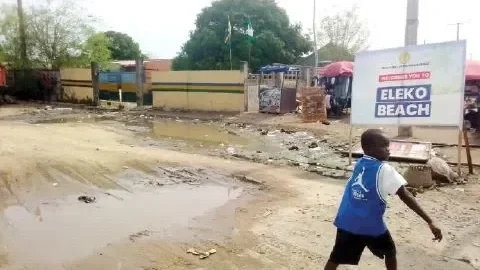
Coastal Highway Project Sparks Flood Risk Fears Among Ibeju-Lekki Residents
Communities in Ibeju-Lekki have raised concerns over potential flooding and displacement linked to ongoing construction activities on the Lagos-Calabar Coastal Highway, warning that blocked drainage systems along sections of the corridor could threaten homes and disrupt livelihoods during the rainy season.
The concerns were raised by leaders of the Ibeju-Lekki Ancestral Community Foundation, a coalition representing more than 50 communities across the coastal axis, including Eleko, Museyo, Opo Ijebu, and surrounding settlements. Community representatives alleged that construction works on parts of the highway have obstructed natural drainage channels, increasing the risk of severe flooding in low-lying areas.
/ You Might Also Like /




The Lagos-Calabar Coastal Highway is one of the Federal Government’s flagship infrastructure projects under the Renewed Hope Agenda. The project is expected to stretch approximately 700 kilometres from Lagos to Calabar, connecting multiple coastal states and supporting regional trade, transportation, and economic integration.
Communities Fear Environmental and Housing Impacts
Residents in affected communities said portions of the ongoing road construction have altered existing water channels without adequate alternative drainage systems being introduced.
According to community leaders, homes and businesses located along parts of the Eleko corridor already sit below the road level, raising fears that floodwaters could accumulate rapidly during heavy rainfall.
Speaking during a community meeting in Eleko Town Hall, representatives of the affected communities stated that residents were not opposed to the highway project itself but were concerned about the environmental and social consequences associated with the construction process.
Local leaders argued that the blockage of a major drainage channel could worsen flooding across nearby settlements and potentially force residents out of ancestral communities that have existed for decades.
The concerns come as Lagos continues to experience increased rainfall intensity and recurring flood challenges linked to rapid urbanisation, coastal vulnerability, and inadequate drainage infrastructure across several parts of the state.
Tensions Persist Over Proposed Setback Policy
In addition to flooding concerns, community leaders reiterated objections to a proposed 150-metre setback along sections of the coastal highway corridor.
Residents argued that further land acquisition and demolition activities could significantly affect long-established settlements already impacted by previous infrastructure and industrial projects in the Lekki axis.
According to community representatives, affected residents have previously ceded land for projects including the Lekki Free Trade Zone, Dangote Refinery, Lekki Deep Sea Port, and the proposed Lekki International Airport. They stated that additional displacement pressures linked to the highway project could threaten the long-term survival of indigenous settlements within the corridor.
Some community leaders also expressed concerns over compensation and relocation arrangements tied to earlier demolition exercises, arguing that compensation levels have not adequately reflected current land values in Ibeju-Lekki.
Strategic Importance of the Coastal Highway
Despite the concerns, the Lagos-Calabar Coastal Highway remains one of Nigeria’s most ambitious transport infrastructure projects.
According to the Federal Ministry of Works, the highway is expected to improve connectivity between coastal states, support tourism, facilitate logistics movement, and stimulate investment opportunities across the southern economic corridor.
The project has also become a major catalyst for real estate expansion and land value appreciation across the Lekki and Ibeju-Lekki axis, where industrial, residential, and commercial developments continue to accelerate.
Industry analysts note that the corridor has emerged as one of Nigeria’s fastest-growing urban investment zones due to ongoing infrastructure development and the concentration of large-scale projects in the area.
However, urban planning experts have repeatedly stressed the need for balanced infrastructure delivery that incorporates environmental safeguards, community engagement, and long-term resilience planning.
Environmental Concerns Continue to Grow
Environmental sustainability has remained a recurring issue surrounding the coastal highway project since construction began.
Stakeholders and environmental analysts have warned that large-scale coastal infrastructure developments can alter natural ecosystems, increase surface runoff, and intensify flooding risks if drainage and environmental mitigation systems are not properly integrated into project execution.
The Lekki peninsula and surrounding coastal communities remain particularly vulnerable due to their low elevation, proximity to the Atlantic coastline, and exposure to seasonal flooding.
Experts say effective flood management systems, proper environmental impact assessments, and sustained stakeholder consultation will be critical to ensuring the long-term sustainability of the highway project and surrounding developments.
Government Yet to Issue Formal Response
While community representatives continue to demand intervention and drainage remediation measures, there has been no formal public response from the Federal Ministry of Works regarding the latest flooding allegations at the time of reporting.
However, previous government statements have maintained that the highway project is designed to deliver long-term economic and infrastructure benefits while improving regional connectivity across southern Nigeria.
Officials have also previously stated that markings along sections of the corridor were intended to identify Federal Government right-of-way boundaries rather than signal immediate demolition exercises.
Outlook
The concerns raised by Ibeju-Lekki communities underscore the growing challenge of balancing large-scale infrastructure expansion with environmental sustainability and community preservation in rapidly urbanising regions.
As construction on the Lagos-Calabar Coastal Highway progresses, analysts say proactive drainage planning, environmental monitoring, and transparent stakeholder engagement will remain essential to minimising flood risks and reducing tensions with affected communities.
The project’s long-term success may ultimately depend not only on transport and economic outcomes but also on how effectively authorities address the environmental and social concerns emerging along the corridor.
READ MORE