Kano Expands Affordable Housing Drive Through Public-Private Partnerships
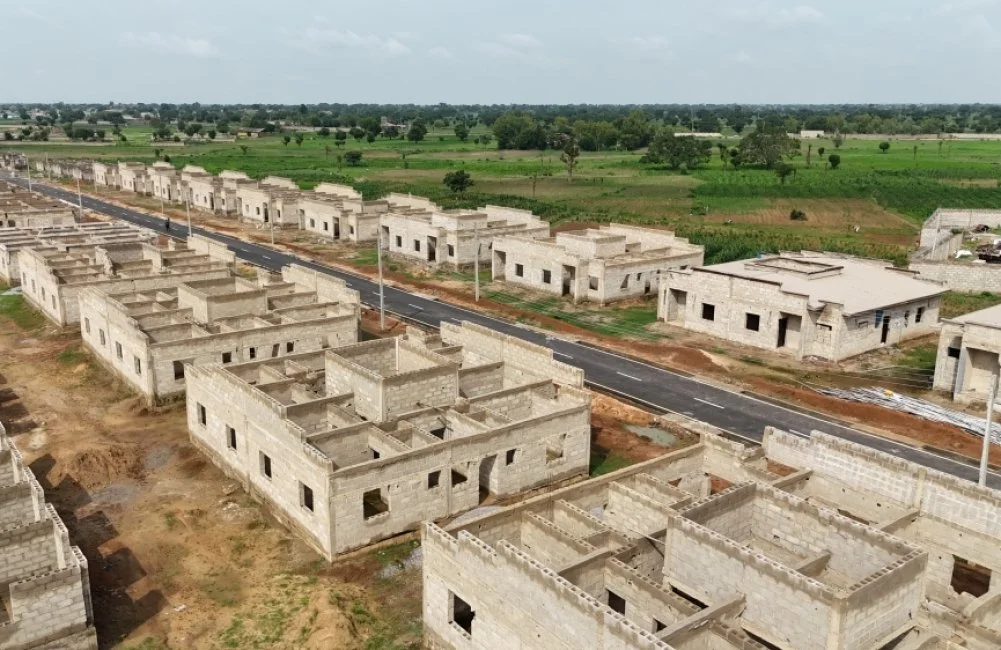
Kano Positions PPPs at the Centre of Affordable Housing Development
The Kano State Government is intensifying efforts to expand affordable housing delivery through public-private partnerships (PPPs), positioning private sector collaboration as a key mechanism for addressing the state’s growing housing deficit and improving access to low-cost homes for residents.
The initiative forms part of a broader housing and urban development strategy under Governor Abba Kabir Yusuf’s administration, with state officials highlighting the need for increased investment, infrastructure expansion, and scalable housing delivery models across Kano’s urban and rural communities.
/ You Might Also Like /




According to state government statements and housing sector reports, Kano plans to deploy PPP arrangements to accelerate residential development while reducing pressure on public finances. The approach aligns with wider national efforts to improve housing access amid rising urbanisation, population growth, and escalating construction costs in Nigeria.
Housing Deficit Drives Policy Shift
Nigeria continues to face a significant housing shortfall, with industry estimates placing the national housing deficit in the millions of units. Kano, one of the country’s fastest-growing commercial centres, has experienced increasing demand for affordable residential housing due to rapid population expansion and urban migration.
State authorities said the new strategy seeks to bridge that gap through structured collaboration with developers, financiers, and institutional partners capable of supporting large-scale residential projects.
The Kano State Government recently approved the construction of 50 low-cost housing estates across the state’s 36 local government areas outside the metropolitan axis. Officials described the initiative as part of a long-term plan to improve housing accessibility for low- and middle-income earners while stimulating economic activity in underserved communities.
Government officials added that the estates will include supporting infrastructure such as roads, electricity, and water systems to ensure long-term sustainability and improve living standards for residents.
PPP Model Expected to Attract Private Capital
Kano’s housing strategy increasingly reflects a shift towards PPP-led infrastructure and real estate development, a model gaining traction across Nigerian states facing fiscal constraints and rising infrastructure demands.
Under the framework, private developers are expected to contribute financing, technical expertise, and project execution capabilities, while government agencies facilitate land access, policy support, and regulatory coordination.
BusinessDay reported that Kano recently reviewed its PPP policy framework as part of efforts to deepen private sector participation in infrastructure and urban development projects. The revised framework is designed to improve investment confidence, accelerate project delivery, and reduce dependence on direct government spending.
Housing analysts note that PPP structures can improve delivery timelines and expand project scale when supported by transparent governance, financing mechanisms, and infrastructure planning. However, they also emphasise the importance of affordability safeguards to ensure projects remain accessible to lower-income households rather than primarily serving middle- and upper-income segments.
Affordable Housing Linked to Economic Development
Beyond addressing shelter needs, Kano’s affordable housing expansion is expected to generate broader economic benefits across construction, manufacturing, and services sectors.
State officials said the projects will create employment opportunities for engineers, artisans, contractors, and suppliers while stimulating local economic activity in participating communities.
The housing push also complements broader urban development objectives, including efforts to reduce informal settlements and improve infrastructure planning across emerging residential corridors.
According to the Kano State Investment and Properties Limited (KSIP), the state-owned investment company supports property development and investment facilitation initiatives aimed at connecting public priorities with private sector execution. The organisation identified housing demand, urban growth, and infrastructure expansion as central investment opportunities within the state’s development pipeline.
Alignment With Federal Housing Initiatives
Kano’s housing expansion efforts also coincide with ongoing federal affordable housing programmes targeting increased residential supply nationwide.
The Federal Government’s Renewed Hope Cities initiative includes housing projects in Kano designed for low- and middle-income earners. Federal housing officials said the developments will include one-bedroom, two-bedroom, and three-bedroom units structured to support affordability and future expansion by homeowners.
In addition, the Federal Mortgage Bank of Nigeria (FMBN) has expanded collaboration with Kano State on housing delivery for civil servants and other workers through National Housing Fund-backed projects. Recent developments in Kano included residential estates targeting teachers, healthcare workers, and public sector employees.
Industry stakeholders believe stronger coordination between federal and state housing programmes could improve financing access and accelerate delivery of affordable residential units across key urban centres.
Infrastructure and Financing Remain Critical Challenges
Despite increasing policy momentum, housing developers and urban planning experts continue to identify financing costs, infrastructure deficits, and land administration bottlenecks as major constraints to affordable housing delivery in Nigeria.
High inflation, currency volatility, and elevated building material costs have also increased pressure on developers, limiting the viability of low-cost housing projects without government incentives or blended financing structures.
Analysts argue that PPP-driven housing schemes will require clear regulatory frameworks, mortgage accessibility, and transparent procurement processes to maintain investor confidence and ensure long-term sustainability.
The success of Kano’s strategy may therefore depend not only on project announcements but also on implementation efficiency, infrastructure delivery, and the ability to maintain affordability targets amid changing economic conditions.
Outlook
Kano’s renewed focus on public-private partnerships signals a broader policy shift towards collaborative housing delivery models capable of mobilising private capital and accelerating residential development.
As demand for affordable housing continues to rise across Nigeria, the state’s approach could become a reference point for other regional governments seeking scalable solutions to housing shortages while balancing fiscal realities.
If successfully implemented, the initiative could strengthen housing access, stimulate construction activity, and support wider urban development objectives across Kano’s growing communities.
READ MORE