Growing Competition Cuts Returns in Lagos Short-Let Property Market
Competition and Rising Costs Pressure Lagos Short-Let Investments
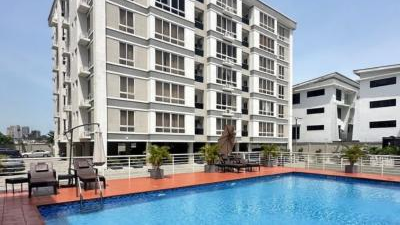
Lagos' short-let property market is experiencing growing pressure as an increasing number of investors enter the sector, intensifying competition and reducing profit margins. While demand for serviced apartments remains strong in key business and leisure districts, operators are facing rising operating costs, changing customer expectations and greater market saturation.
/ You Might Also Like /


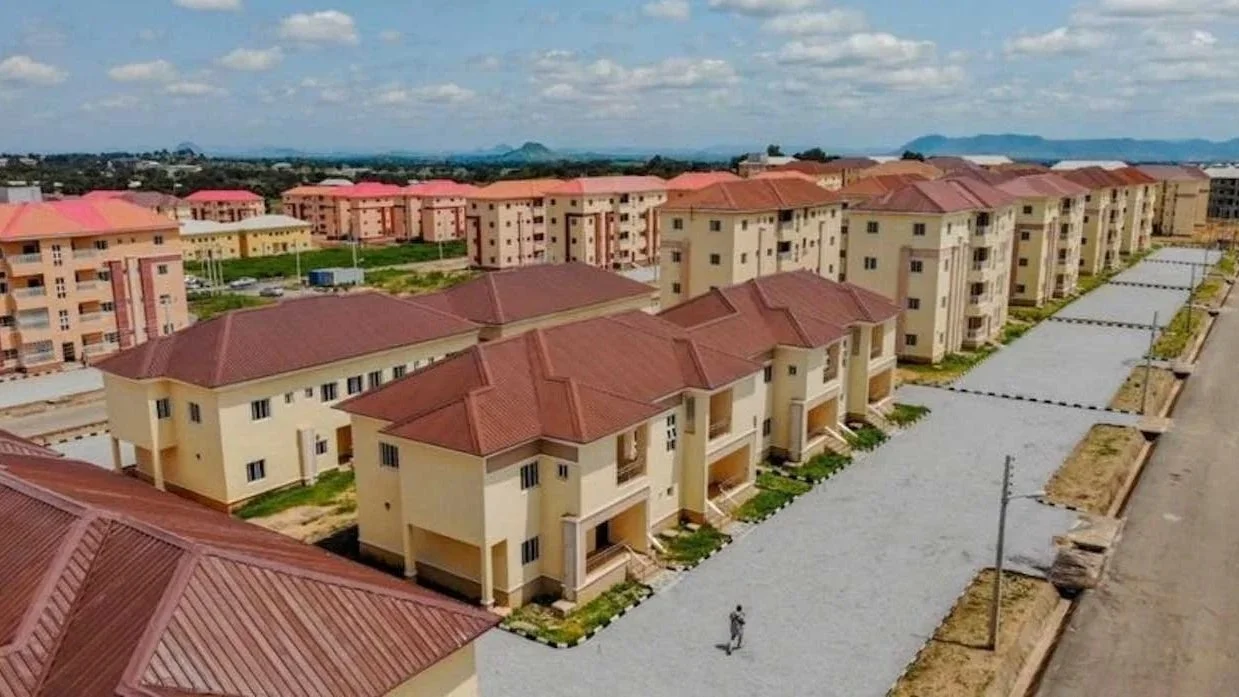

Industry stakeholders say the market is evolving from a high-growth opportunity into a more competitive investment segment where profitability increasingly depends on operational efficiency, property quality and strategic location.
Rising Supply Changes Market Dynamics
Over the past few years, Lagos has witnessed rapid growth in the number of serviced apartments and short-let properties, particularly in high-demand areas such as Victoria Island, Ikoyi, Lekki and Ikeja.
The increase in available units has given travellers and corporate clients more options, leading to stronger price competition and lower occupancy rates for some operators.
Property owners who previously enjoyed high returns are now adjusting pricing strategies and investing more in customer experience to maintain occupancy.
Higher Operating Costs Reduce Margins
Beyond increased competition, operators continue to grapple with rising electricity costs, diesel expenses, property maintenance, security, staffing and digital marketing.
These costs have significantly reduced net returns, particularly for investors managing properties without professional hospitality systems or economies of scale.
Market analysts note that operational efficiency is becoming as important as property location in determining long-term profitability.
Professional Management Becomes Critical
As the market matures, experts believe professionally managed short-let apartments will outperform individually managed properties.
Technology-driven booking platforms, dynamic pricing systems, improved guest services and stronger branding are helping operators maintain occupancy and optimise revenue despite growing competition.
Investors are also diversifying into longer-stay rentals and mixed-use accommodation models to improve income stability.
Implications for Housing and Real Estate
The changing dynamics of Lagos' short-let market highlight the increasing sophistication of Nigeria's residential investment landscape.
While short-let properties remain an attractive asset class, investors are becoming more selective, placing greater emphasis on location, operational expertise and long-term sustainability rather than relying solely on rapid appreciation or high nightly rates.
The trend may also encourage a healthier balance between short-term rentals and conventional residential housing, particularly in high-demand urban neighbourhoods.
Why It Matters
The short-let market has become an important segment of Lagos' real estate economy, attracting both local and diaspora investors seeking higher rental yields.
As competition increases, stronger market discipline could improve service quality, encourage professional property management and promote more sustainable investment practices across the sector.
Outlook
Despite mounting competition, Lagos is expected to remain Nigeria's leading short-let market due to its large business community, expanding tourism sector and growing urban population.
However, future success will increasingly depend on strategic property selection, efficient management, technology adoption and the ability to deliver consistent guest experiences in an increasingly competitive marketplace.
READ MORE