FG Begins 90,000km Fibre Rollout to Expand Nationwide Broadband Access

Bosun Tijani
The Federal Government has announced that it will begin the rollout of a 90,000-kilometre fibre optic network within the next few weeks, marking the start of one of Nigeria's most ambitious digital infrastructure projects. The nationwide initiative, known as Project BRIDGE, is designed to expand broadband access, strengthen digital connectivity and accelerate the country's digital economy.
/ You Might Also Like /


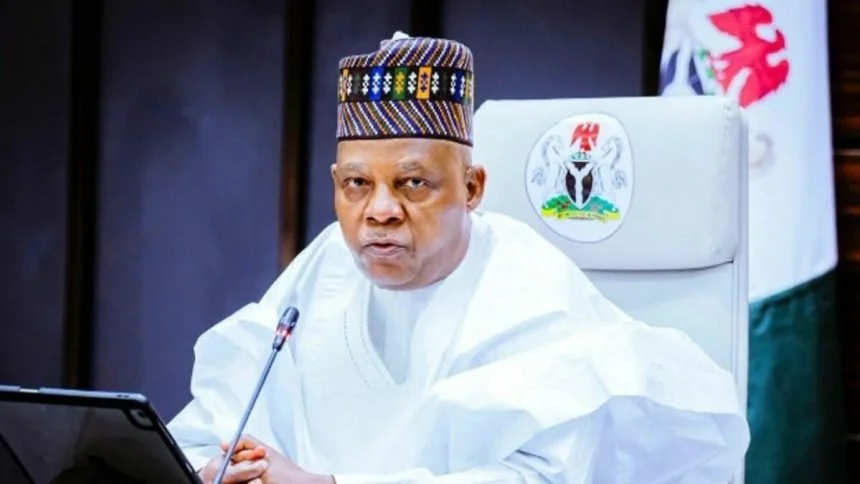
Minister of Communications, Innovation and Digital Economy Bosun Tijani disclosed the development after briefing President Bola Tinubu on the progress of key digital transformation projects. He said the fibre network will extend connectivity to every state, local government area and ward, helping bridge Nigeria's digital divide.
Expanding Nigeria's Digital Infrastructure
The 90,000km network will significantly expand Nigeria's national fibre backbone, improving broadband penetration and supporting businesses, government services, education, healthcare and financial inclusion.
Project BRIDGE is expected to connect millions of Nigerians who currently lack reliable internet access while creating a more resilient digital infrastructure capable of supporting future economic growth.
Supporting Economic Growth
Government officials say improved broadband connectivity will boost innovation, attract technology investment and create new employment opportunities across the digital economy.
The project also aligns with broader efforts to modernise Nigeria's communications infrastructure and increase access to digital services in underserved communities.
Implications for Housing and Real Estate
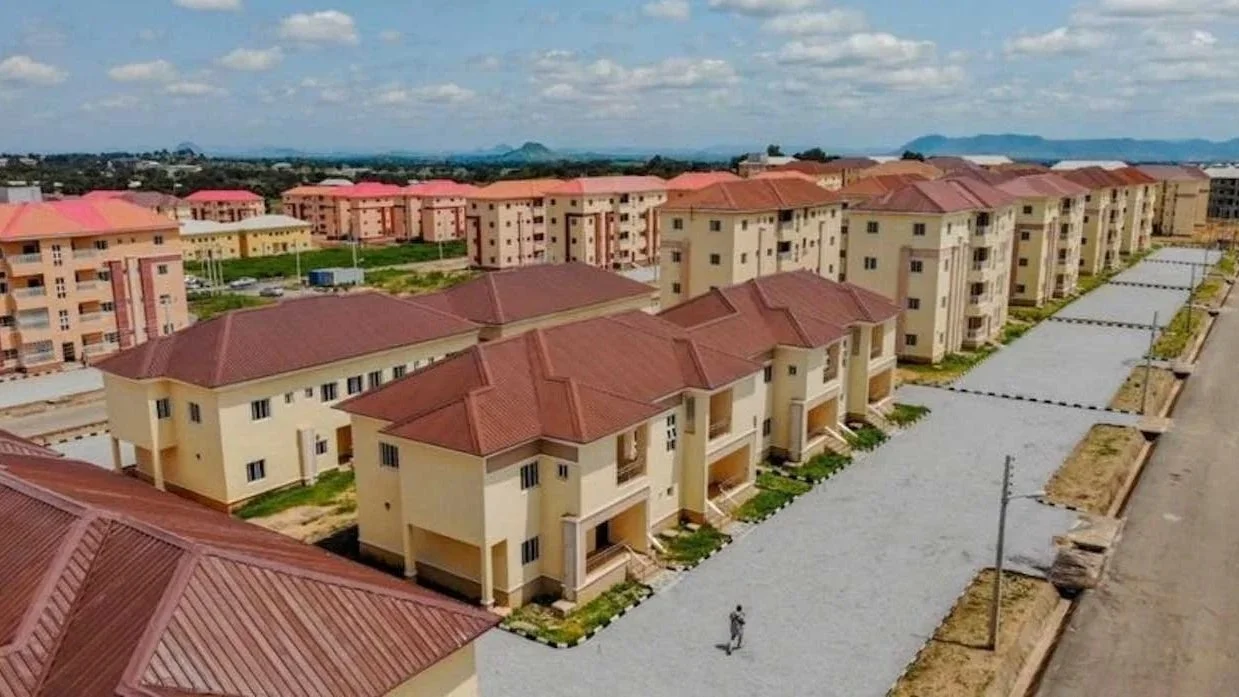
The fibre rollout has significant implications for Nigeria's housing and property sectors.
Reliable high-speed internet has become an essential component of modern residential estates, commercial developments and smart city projects. Expanded broadband infrastructure can increase the attractiveness of emerging residential communities, support PropTech adoption, enable smart home technologies and improve property values in newly connected areas.
Developers may also benefit from enhanced digital infrastructure when marketing, managing and operating residential and commercial properties.
Why It Matters
Digital infrastructure is increasingly viewed as critical infrastructure alongside roads, power and water.
Expanding broadband access will improve productivity, encourage innovation and support sectors including real estate, education, healthcare and financial services. The initiative also strengthens Nigeria's competitiveness in the digital economy and supports long-term urban development.
Outlook
As Project BRIDGE moves into implementation, attention will focus on the pace of deployment, private-sector participation and its impact on broadband penetration. If delivered successfully, the initiative could transform digital connectivity across Nigeria while supporting smart cities, technology-enabled housing developments and broader economic growth.
READ MORE