Lagos Begins Phasing Out Diesel Buses as CNG and EVs Become Mandatory
Lagos expands CNG and electric public transport
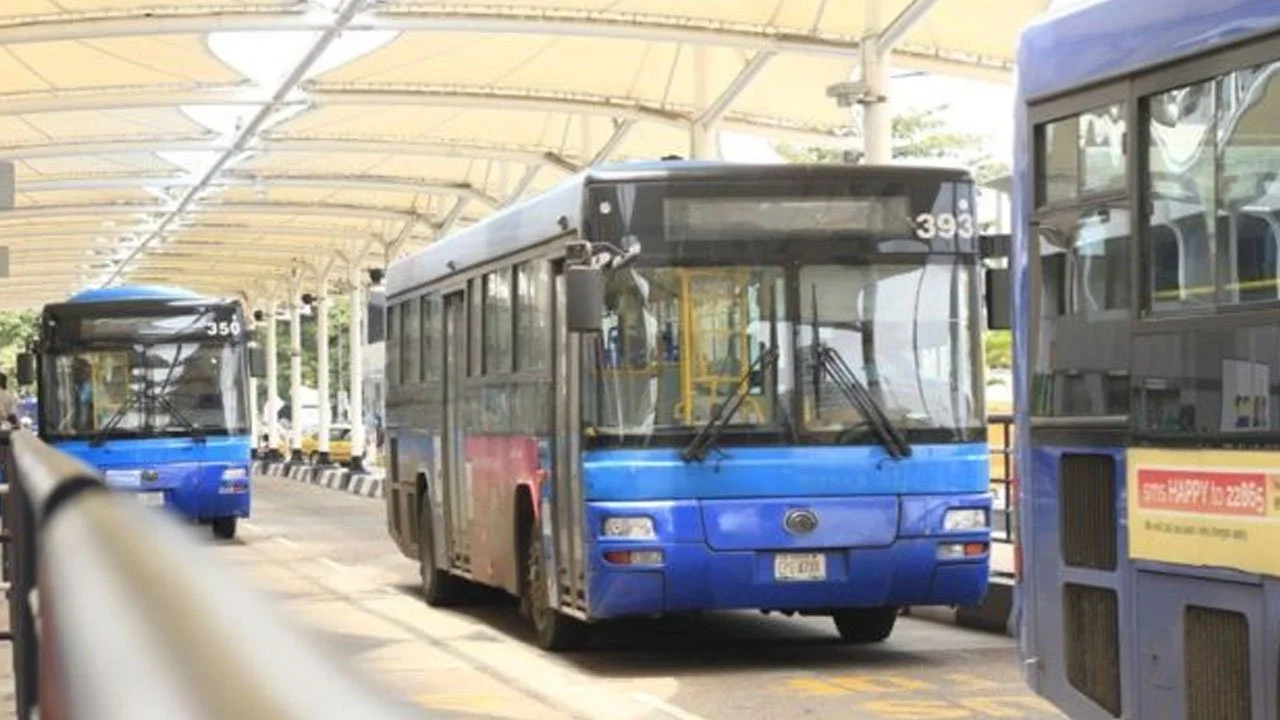
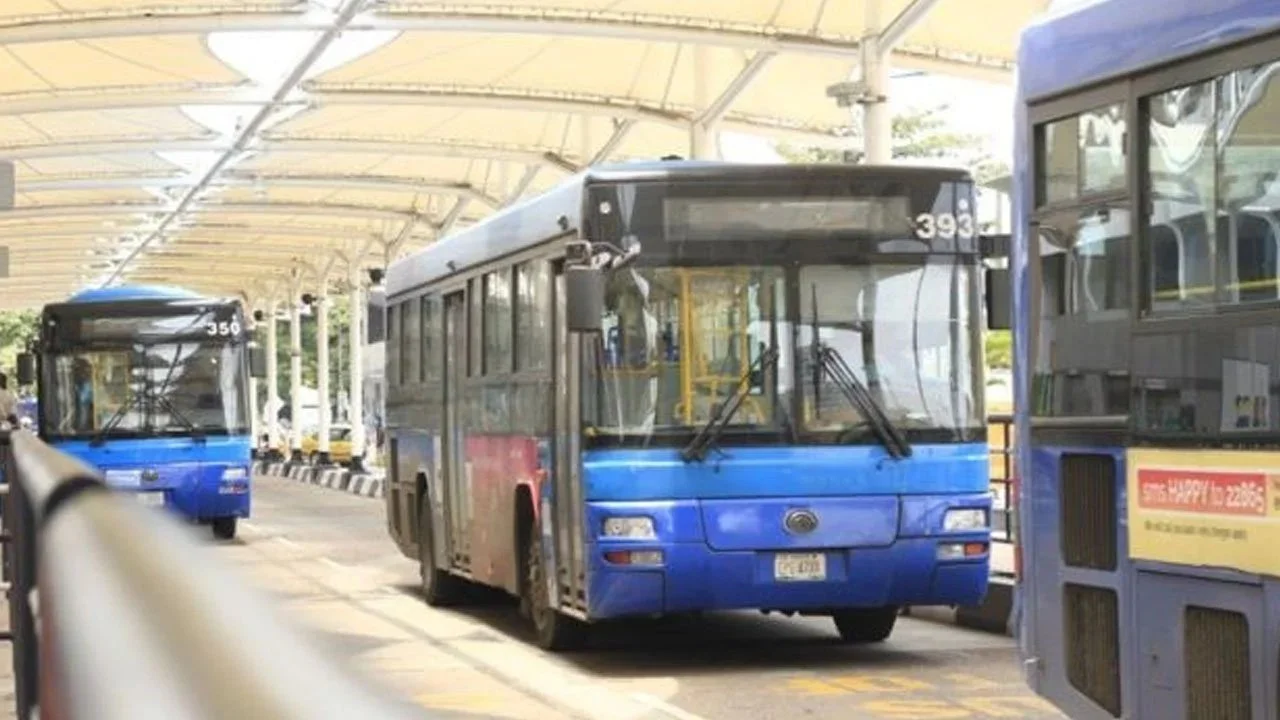
Lagos State has begun phasing out diesel-powered buses from its regulated public transport system, with operators now required to deploy compressed natural gas (CNG) or electric vehicles when introducing new buses.
The policy, which took effect at the beginning of 2026, means the Lagos Metropolitan Area Transport Authority (LAMATA) will no longer accept new diesel buses from operators within the regulated system. Existing diesel buses will be progressively replaced with CNG and electric alternatives.
/ You Might Also Like /




LAMATA Managing Director and Chief Executive Officer Abimbola Akinajo disclosed the policy while speaking to journalists during the handover of 20 additional high-capacity CNG buses under the Presidential Initiative on CNG and Electric Vehicles.
Lagos Targets CNG and Electric Bus Transition
Akinajo said LAMATA had instructed operators bringing new buses into the regulated public transport system to use CNG or electric vehicles.
The long-term objective is for buses operating within the regulated system to transition away from diesel, with the system eventually expected to move fully towards electric buses.
Before the latest delivery, LAMATA had about 150 CNG buses in its fleet, alongside high- and medium-capacity electric buses.
The additional 20 CNG buses will expand capacity, with some potentially deployed along the Ikorodu-TBS corridor, where passenger demand remains high.
Rising Diesel Costs Add Pressure for Transport Operators
The transition is also taking place against sharply higher diesel prices.
Akinajo said diesel had risen from about ₦950 per litre at the beginning of 2026 to between ₦1,950 and ₦2,100 per litre, depending on the source.
The increase has raised operating costs for diesel-powered buses and could put pressure on operators to increase fares.
LAMATA says the lower operating costs associated with CNG and electric buses are helping the regulated system absorb some of the increase without passing the full cost on to commuters.
The development comes as the Federal Government pushes states to expand alternative-energy transportation as part of its National Affordable CNG Transit Programme.
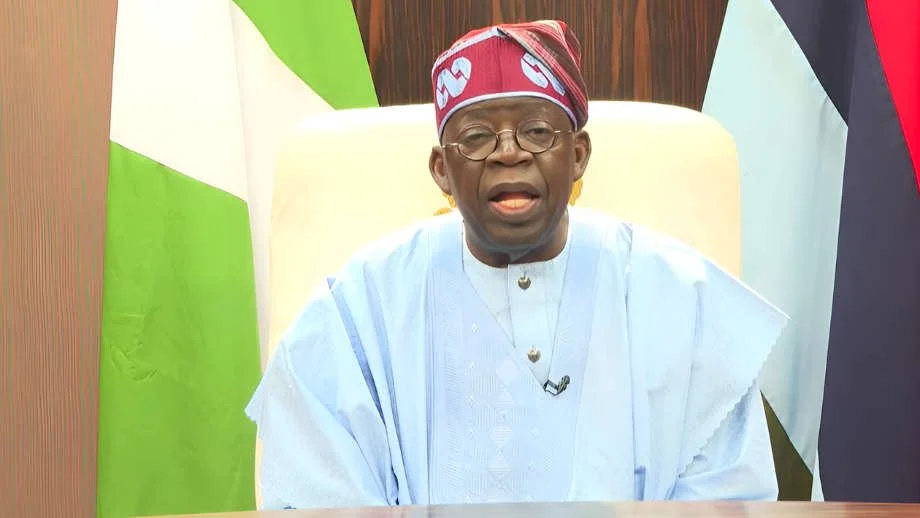
President Bola Tinubu said in September that the programme was intended to translate lower energy costs into lower transport fares, with states expected to expand CNG and electric vehicle deployment and supporting infrastructure.
CNG Infrastructure Expands Across Lagos
The transition will require more than replacing buses.
LAMATA already has an operating CNG supply ecosystem involving private-sector participants, while additional CNG stations are being developed across Lagos to support the expanding fleet.
This infrastructure requirement creates opportunities for investment in gas distribution, refuelling facilities, vehicle maintenance, fleet management and associated energy services.
It also introduces a new infrastructure consideration for large-scale urban development, particularly in areas where transport demand is growing rapidly.
Transport Policy Sets Longer-Term Clean Energy Target
The Lagos State Transport Policy targets having 52% of buses operating on the Bus Rapid Transit system powered by clean energy by 2050.
The policy also targets a reduction in car trips to 2% of total trips and promotes increased biodiesel use for freight vehicles.
Some existing BRT buses have already started conversion to gas, while new buses purchased by Lagos Bus Services Limited and private operators are expected to use gas.
The policy therefore represents a longer-term restructuring of Lagos' public transport energy mix rather than a one-off fleet replacement.
Implications for Lagos Real Estate and Urban Development
The transport transition has implications beyond the mobility sector.
Public transport availability is a major factor in the development potential of residential and commercial areas across Lagos. More reliable and potentially lower-cost mass transit can improve accessibility to employment centres and make locations farther from established business districts more viable for housing and commercial development.
For property investors and developers, transport corridors supported by high-capacity public transit can influence where new residential, retail and mixed-use projects emerge.
The Ikorodu-TBS corridor, for example, is already identified by LAMATA as having significant passenger demand, while the expansion of CNG buses could increase transport capacity along such routes.
Lower Operating Costs Could Affect Housing Accessibility
Transportation costs form part of the effective cost of living for households.
Where residents live farther from employment centres because of housing affordability, expensive or unreliable transportation can offset some of the savings from cheaper accommodation.
A public transport system that combines greater capacity with lower operating costs could therefore affect housing location decisions, particularly for lower- and middle-income households.
However, lower vehicle operating costs will only translate into meaningful affordability gains if operators and transport authorities pass sufficient savings through to commuters.
Recent national experience shows that the transition remains uneven. A Guardian report noted infrastructure and implementation challenges affecting the broader push for lower CNG-supported transport fares, while The PUNCH reported that fare reductions had not yet become widespread across several states.
Clean Transport Could Reshape Development Corridors
The gradual shift towards CNG and electric buses could also influence the infrastructure requirements around major transport corridors.
Higher-capacity routes may require strategically located depots, charging infrastructure, CNG stations, maintenance facilities and passenger interchanges.
These facilities can in turn influence surrounding commercial activity and land-use patterns.
For Lagos, where land values and congestion already shape development decisions, the integration of transport planning with housing and commercial development will remain important.
Energy Transition Creates New Investment Requirements
The transition from diesel also creates a substantial capital requirement.
CNG buses require access to reliable gas supply and refuelling infrastructure, while electric fleets require charging infrastructure and adequate electricity supply.
Lagos' broader electricity reforms could therefore become relevant to the eventual expansion of electric public transport. The state established the Lagos State Electricity Regulatory Commission under its 2024 electricity law, with responsibilities covering electricity generation, distribution, supply and market regulation.
This creates an intersection between transport, energy and property infrastructure: expanding electric mobility requires dependable electricity networks, while expanding CNG transport requires investment in gas infrastructure.
Outlook
Lagos' decision to stop accepting new diesel buses into its regulated public transport system marks a significant shift in the energy structure of the state's mass-transit network.
The immediate transition will focus on CNG and electric buses, while the longer-term policy direction points towards greater electrification. At the same time, rising diesel costs are giving operators an additional financial incentive to move towards alternative fuels.
For Lagos' housing and real estate market, the significance lies in what happens beyond the buses themselves. Expanded public transport capacity, supporting energy infrastructure and more efficient mobility could influence development corridors, commuting patterns and the location economics of residential and commercial property.
The effectiveness of the transition will ultimately depend on the availability of CNG and charging infrastructure, fleet maintenance, electricity supply and whether lower operating costs translate into more affordable and reliable transport for Lagos residents.
READ MORE