Lagos Orders Demolition of Distressed Buildings After Alakija Collapse Claims Nine Lives
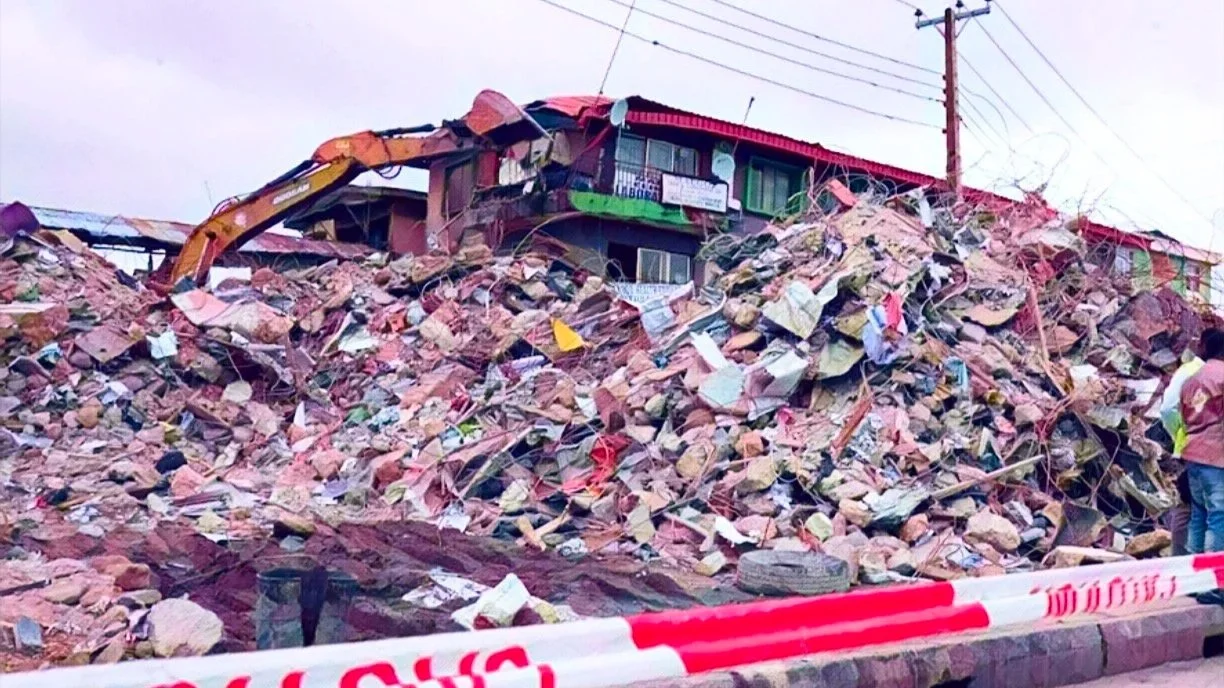
Lagos Strengthens Building Safety Enforcement After Alakija Tragedy
The Lagos State Government has announced the immediate demolition of all buildings identified as structurally distressed around the site of the Alakija building collapse, following the death of nine people in the incident. The directive forms part of a broader effort to strengthen building safety enforcement, prevent further structural failures, and ensure compliance with development control regulations across the state.
/ You Might Also Like /




The announcement was made during an inspection of the collapse site by the Commissioner for Information and Strategy, Gbenga Omotoso, who represented Governor Babajide Sanwo-Olu. He disclosed that 27 people were rescued alive from the rubble while nine fatalities were recorded after emergency responders completed search and rescue operations.
Government Orders Removal of Unsafe Buildings
According to the state government, all buildings previously identified and marked as structurally distressed within the Alakija area will be demolished to prevent similar incidents. Officials said the measure is intended to protect lives and property while reinforcing compliance with Lagos State's building safety regulations.
The government stated that the collapsed building had earlier been declared unsafe and occupants were directed to vacate the premises. However, authorities alleged that the directive was ignored and some occupants returned to the building before it eventually collapsed. Officials described the incident as avoidable and stressed that compliance with safety notices is essential to preventing future tragedies.
Owners Face Possible Prosecution
Beyond the planned demolition exercise, the Lagos State Government announced that owners of the collapsed building and other distressed properties who fail to comply with official directives could face prosecution under existing state laws. Authorities said investigations into the cause of the collapse are ongoing and appropriate legal action will be taken where negligence or violations are established.
The government also reiterated its position against unauthorised developments, warning that buildings erected in violation of planning regulations or located within restricted areas pose serious risks to public safety and urban development.
Building Safety Remains a Priority
The Alakija incident has renewed attention on the importance of development control and routine structural inspections in Lagos. Construction professionals have consistently identified poor regulatory compliance, unauthorised alterations, inadequate maintenance, and disregard for evacuation notices as major contributors to recurring building collapses.
The Lagos State Building Control Agency and other regulatory bodies continue to inspect buildings considered structurally defective, with government officials urging property owners and occupants to comply promptly with safety directives to minimise risks.
Implications for the Housing Sector
For the housing and construction industry, the government's response signals a stronger emphasis on regulatory enforcement and accountability. Developers, landlords, and property managers are expected to prioritise structural integrity, routine maintenance, and compliance with approved building standards throughout a property's lifecycle.
Industry stakeholders note that effective development control not only protects lives but also strengthens investor confidence, safeguards property values, and supports sustainable urban development. The demolition of distressed structures is likely to reinforce the state's commitment to improving safety standards within Nigeria's largest real estate market.
Conclusion
Lagos State's decision to demolish distressed buildings around the Alakija collapse site marks a significant regulatory response aimed at preventing further structural failures. As investigations continue and enforcement actions intensify, the initiative underscores the critical role of building safety compliance, effective development control, and accountability in promoting a safer and more resilient built environment.
READ MORE