Rising Costs Limit Access to Affordable Housing in Lagos
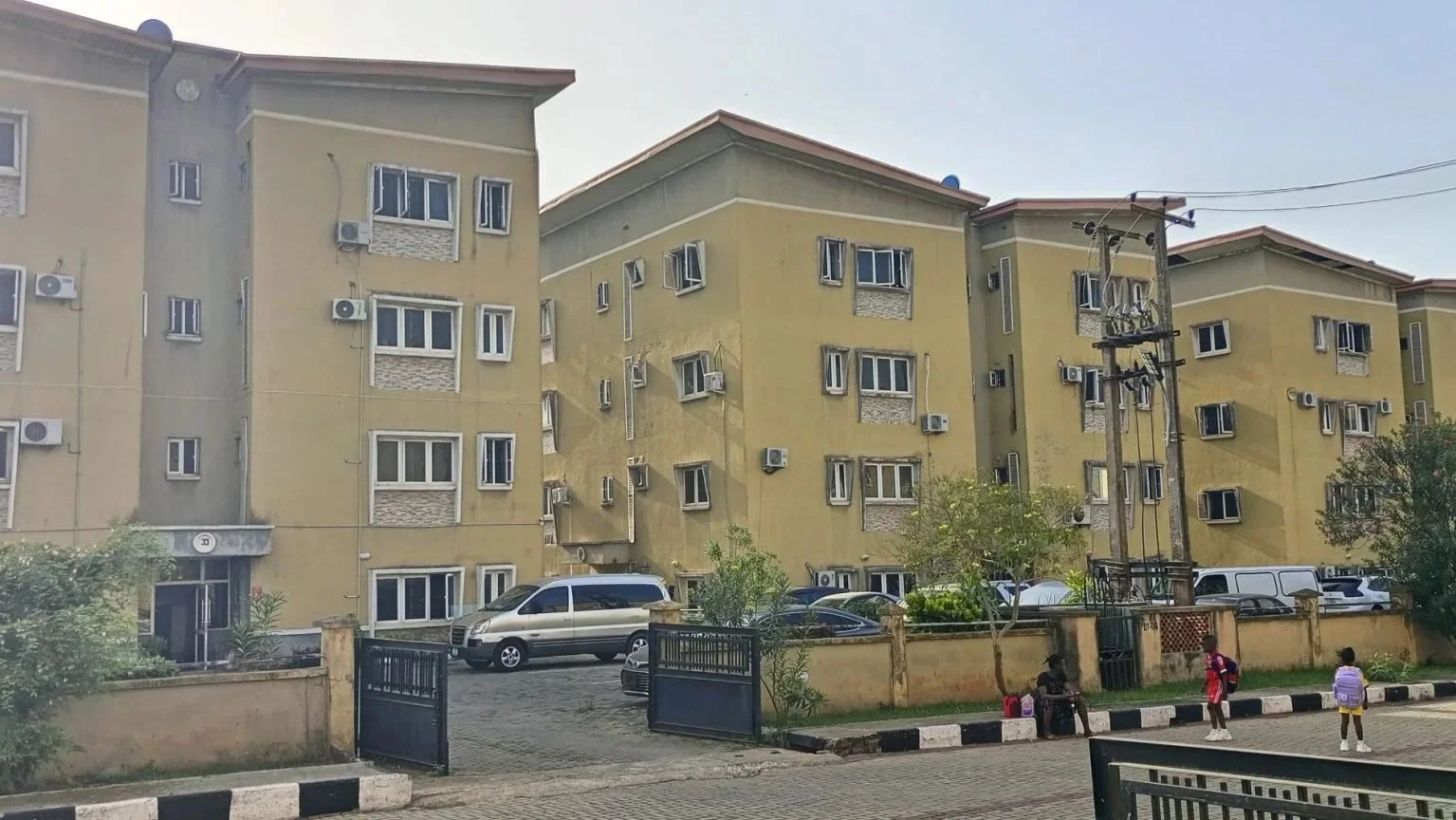
Despite substantial public investment in housing development over the years, affordable homeownership remains beyond the reach of most Lagos residents. New findings indicate that more than 70% of the state's population cannot access low-cost housing schemes due to affordability constraints, rising construction costs and persistent supply shortages.
/ You Might Also Like /




The situation highlights the growing disconnect between housing delivery programmes and the income realities of many households in Nigeria's commercial capital. While successive administrations have launched various housing initiatives aimed at addressing the state's housing deficit, experts argue that a significant proportion of completed units remain inaccessible to low- and middle-income earners.
Housing Demand Continues to Outpace Supply
Lagos remains Nigeria's largest urban centre and one of Africa's fastest-growing cities. Rapid population growth, urban migration and economic opportunities continue to attract thousands of new residents each year, placing enormous pressure on housing supply.
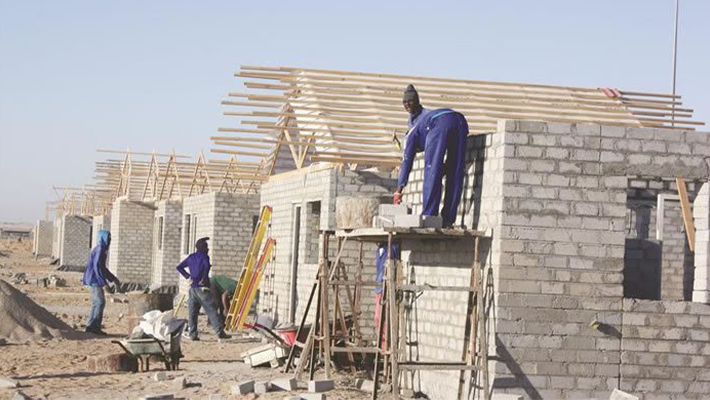
According to housing sector estimates, Lagos faces a housing deficit of approximately 3.4 million units, making it one of the country's most challenging property markets. While government agencies and private developers continue to deliver new housing projects, production levels remain insufficient to meet rising demand.
The shortage has contributed to rising rents, increasing property prices and growing competition for available housing across major residential districts.
Affordability Remains the Biggest Barrier
Industry stakeholders argue that the challenge extends beyond the number of housing units delivered. The affordability of completed homes remains a major concern.
Many low-cost housing projects are marketed as affordable, yet purchase prices often exceed what average wage earners can realistically afford. Rising construction costs, inflation, foreign exchange pressures and expensive building materials have increased development costs, which are ultimately transferred to buyers.
Housing experts note that affordability should be measured relative to household income rather than simply the market price of a housing unit. Without adequate mortgage financing, flexible payment plans and targeted subsidies, many households remain excluded from formal housing programmes.
As a result, a significant portion of Lagos residents continue to rely on rental accommodation or informal housing arrangements.
Rising Rents Compound Housing Pressures
The affordability crisis extends beyond homeownership. Rental costs have risen sharply across several parts of Lagos, placing additional strain on household budgets. Reports from tenants indicate that rents for modest accommodation have increased substantially over recent years, often without corresponding improvements in infrastructure or living conditions.
The combination of rising rents and stagnant income growth has forced many workers to relocate farther from major employment centres. Long commuting times have become increasingly common as households seek more affordable accommodation in peripheral locations.
Urban development analysts warn that this trend could create additional pressure on transportation networks while reducing overall productivity and quality of life.
Challenges Facing Affordable Housing Delivery
Several structural factors continue to limit the effectiveness of affordable housing programmes in Lagos.
Developers cite high land acquisition costs, expensive infrastructure requirements, limited access to long-term financing and regulatory bottlenecks as key barriers to delivering truly affordable homes. These challenges increase project costs and reduce the number of units that can be offered at lower price points.
In addition, access to mortgage financing remains limited. Nigeria's mortgage penetration rate remains among the lowest globally, making it difficult for many households to finance home purchases.
Housing policy experts have repeatedly called for stronger public-private partnerships, improved housing finance mechanisms and targeted incentives to support large-scale affordable housing delivery.
Implications for Urban Development
The growing affordability gap carries significant implications for Lagos' long-term urban development.
When formal housing remains inaccessible, households often turn to informal settlements and unplanned communities. This can create additional challenges related to infrastructure provision, environmental management and urban planning.
The pressure on housing affordability also affects labour mobility and economic productivity. Workers who cannot afford housing near employment centres frequently face lengthy daily commutes, increasing transportation costs and reducing disposable income.
For investors and policymakers, addressing affordability has become increasingly important to ensuring sustainable urban growth and maintaining Lagos' competitiveness as a major economic hub.
Need for New Housing Delivery Models
Industry stakeholders increasingly advocate alternative housing delivery models capable of expanding access to affordable accommodation.
Proposals include rent-to-own programmes, cooperative housing schemes, expanded mortgage access, land reforms and increased public-private collaboration. Such approaches could help bridge the gap between housing supply and affordability while creating more pathways to homeownership.
Experts also argue that affordable housing policies should focus on the income profile of intended beneficiaries rather than solely on construction targets.
Without reforms that address both supply and affordability, the housing deficit is likely to continue widening despite ongoing investments in residential development.
Outlook
The finding that more than 70% of Lagos residents remain excluded from low-cost housing schemes underscores the scale of the affordability challenge facing Nigeria's largest property market. Despite billions of naira invested in housing programmes, rising costs, limited financing options and persistent supply shortages continue to restrict access to decent and affordable homes.
For policymakers, developers and investors, the situation highlights the need for more inclusive housing strategies that align housing delivery with household incomes. As Lagos continues to expand, improving affordability will remain central to addressing the state's housing deficit, supporting economic growth and promoting sustainable urban development.
READ MORE