Lagos Attributes Recurring Building Collapses to Poor Compliance with Safety Regulations
Commissioner Blames Disregard for Building Regulations for Recurring Collapses
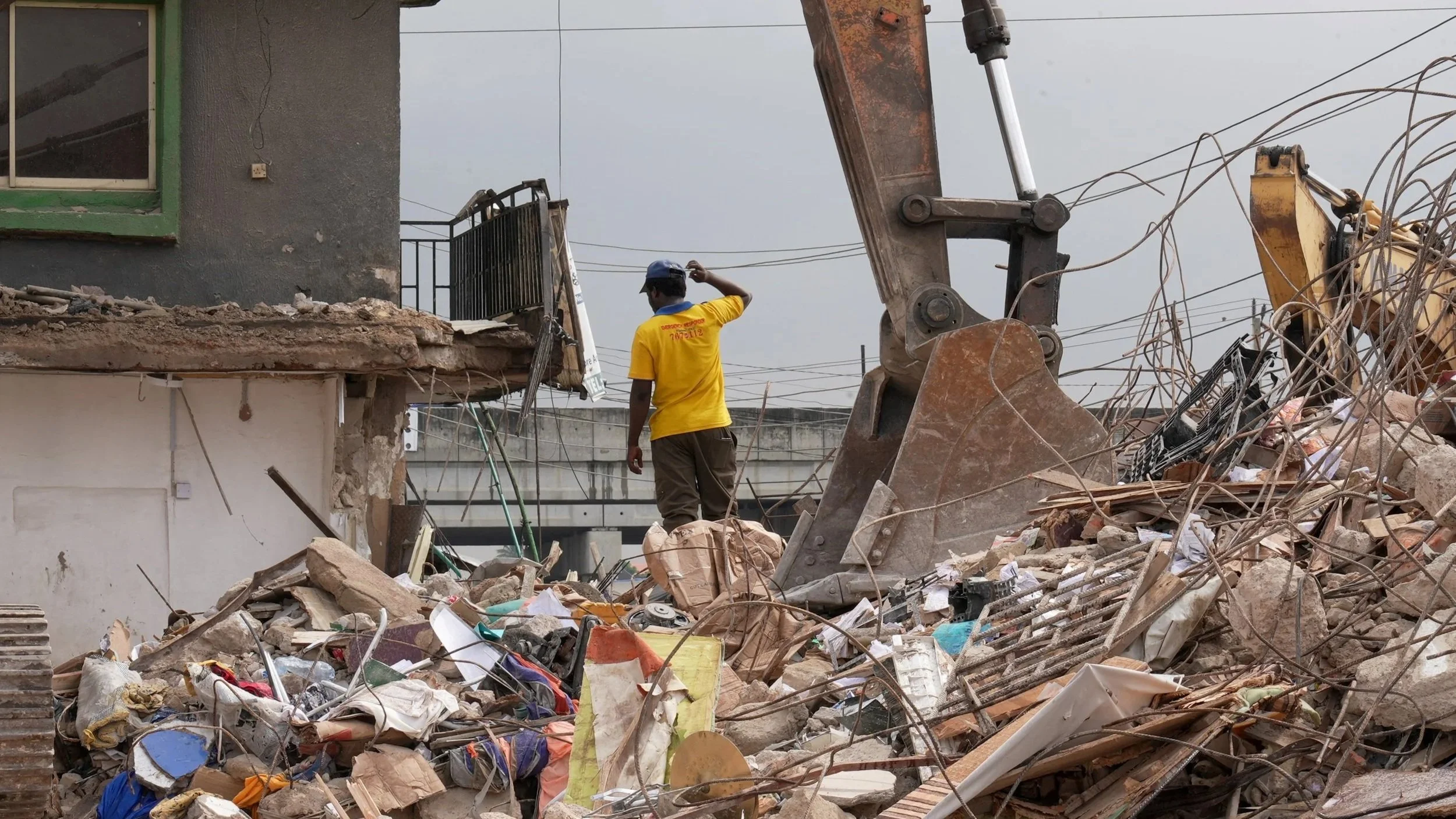
The Lagos State Government has attributed the persistent incidence of building collapses across the state to widespread non-compliance with safety regulations and disregard for government directives on distressed structures. The position follows the recent collapse of a three-storey building in the Alakija area of Lagos, which claimed multiple lives and renewed concerns about construction safety, regulatory enforcement, and urban development standards.
/ You Might Also Like /




Speaking on the issue, the Commissioner for Information and Strategy, Gbenga Omotoso, said many of the buildings that eventually collapse had previously been identified as structurally unsafe and marked for evacuation or demolition. However, he noted that some property owners and occupants ignore official directives, reoccupy distressed buildings, or continue commercial activities despite government warnings, thereby exposing themselves to avoidable risks.
Disregard for Safety Directives
According to the commissioner, the recently collapsed building had earlier been declared distressed and sealed by the relevant authorities. He stated that despite the government's intervention, occupants allegedly returned to the building before it eventually gave way. The commissioner argued that such actions undermine the state's efforts to prevent structural failures and protect lives and property.
He added that the Lagos State Government regularly identifies unsafe buildings through inspections conducted by relevant regulatory agencies and has continued to demolish structures that pose significant risks to public safety. However, enforcement efforts are sometimes frustrated when affected property owners fail to comply with official notices.
Building Safety Requires Collective Responsibility
The commissioner emphasised that preventing building collapses requires cooperation from developers, landlords, tenants, and construction professionals. He stressed that once a building has been declared unsafe, occupants should vacate immediately to allow the appropriate authorities to carry out demolition or rehabilitation works without delay.
He also reaffirmed the state's commitment to strengthening building inspections, monitoring distressed structures, and enforcing existing development control regulations to reduce future incidents.
Experts Call for Stronger Regulatory Enforcement
Construction professionals have consistently identified poor regulatory compliance, inadequate supervision, unauthorised structural alterations, and substandard construction practices as major contributors to building failures in Nigeria. They argue that stronger enforcement of building codes, routine structural integrity assessments, and greater accountability throughout the construction process are essential to improving safety standards.
Industry stakeholders also maintain that regular maintenance of ageing buildings and prompt response to visible structural defects are critical to preventing avoidable disasters in rapidly urbanising cities such as Lagos.
Implications for the Housing Sector
For the housing and real estate industry, the latest government position reinforces the importance of compliance with planning approvals, building codes, and structural safety requirements. Developers and property owners are expected to ensure that projects meet approved standards throughout construction and occupancy.
The incident also highlights the need for stronger collaboration between regulatory agencies, professional bodies, and property owners to improve compliance and strengthen public confidence in Nigeria's built environment. Effective development control remains essential to protecting lives, preserving property values, and supporting sustainable urban growth.
Conclusion
The Lagos State Government's assessment of recurring building collapses underscores the central role of regulatory compliance in ensuring construction safety. As investigations into the latest collapse continue, authorities are expected to intensify enforcement against distressed buildings while urging residents and developers to comply with safety directives. The outcome could shape future reforms aimed at improving building standards and reducing structural failures across Lagos.
READ MORE