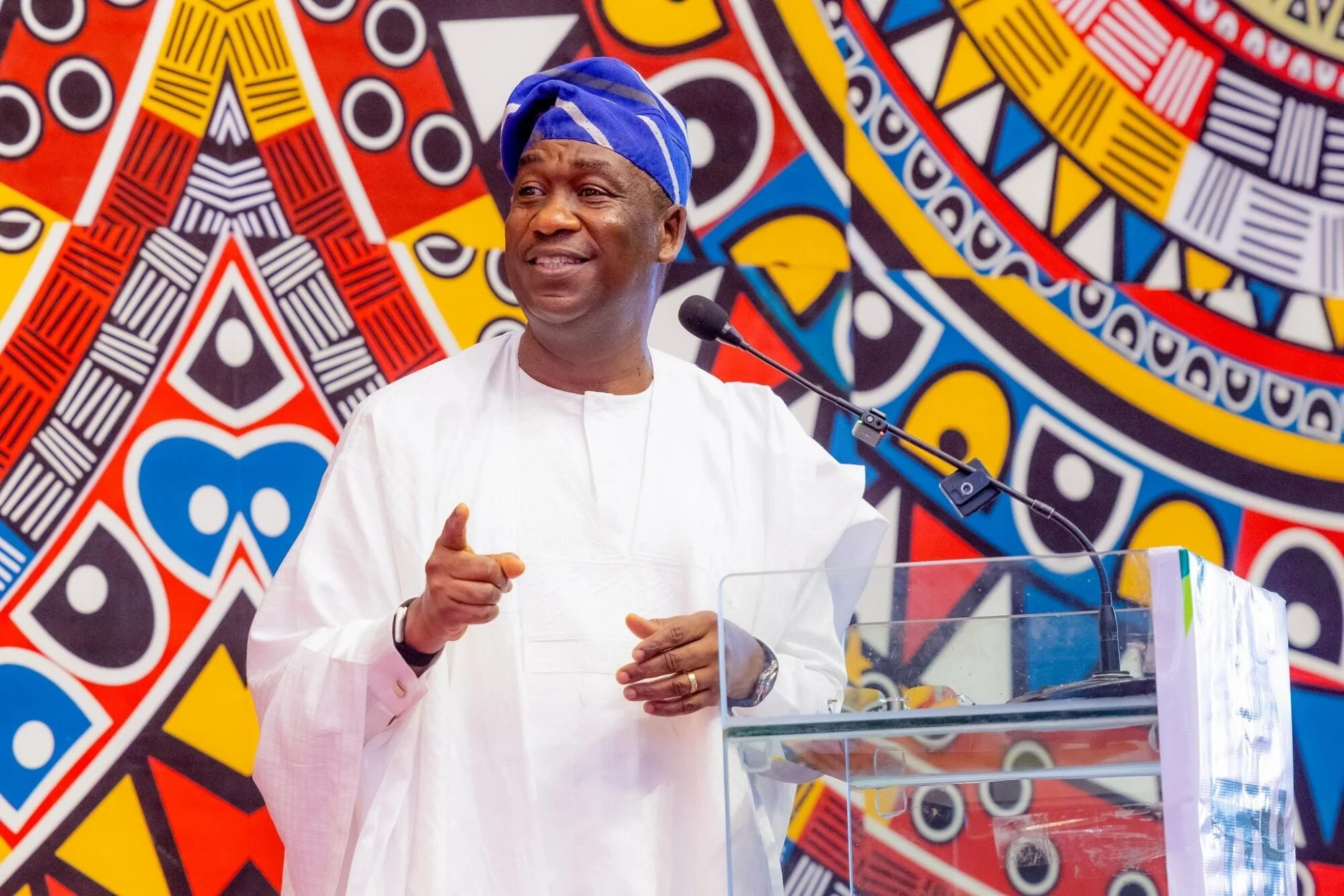
Lagos Government Supports LBIC Growth Amid Rising Housing Demand
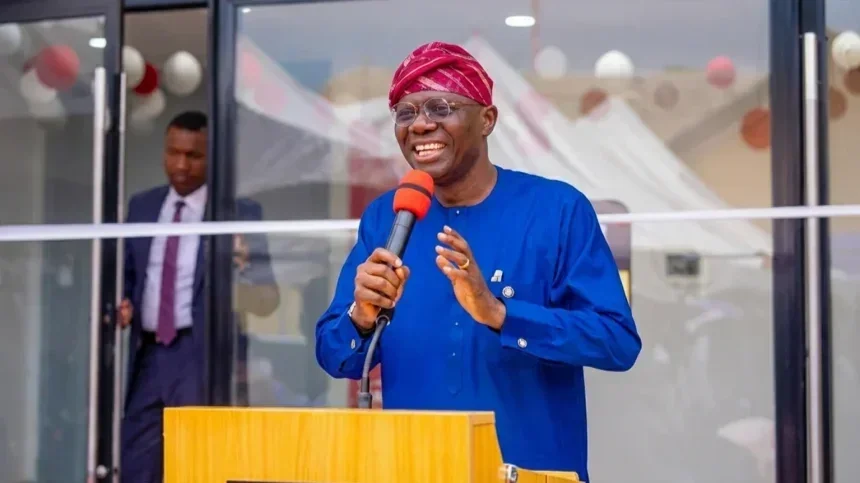
LBIC Expansion Signals Lagos Push for Broader Housing Finance Access
The Lagos State Government has reaffirmed its commitment to expanding access to affordable housing finance, with Governor Babajide Sanwo-Olu calling for stronger partnerships between government, financial institutions, and private investors to address the state’s growing housing demand.
The governor made the call during the 21st Annual General Meeting of the Lagos Building Investment Company (LBIC) Plc in Ikeja, where he commended the institution’s continued role in supporting mortgage accessibility and homeownership in Lagos despite prevailing economic pressures.
/ You Might Also Like /




Represented by the Lagos State Commissioner for Housing, Moruf Akinderu-Fatai, Sanwo-Olu described housing as a critical economic driver capable of stimulating employment, supporting businesses, and strengthening social stability across the state.
Lagos Intensifies Focus on Affordable Housing Finance
The renewed emphasis on housing finance reflects growing pressure on Lagos’ residential property market amid rapid urbanisation, population growth, and rising housing costs.
Lagos remains Nigeria’s commercial capital and one of Africa’s fastest-growing urban centres, with demand for affordable housing continuing to outpace supply.
Industry analysts estimate that Nigeria’s housing deficit exceeds 20 million units, with Lagos accounting for a significant share of unmet demand due to migration, rising land prices, and expanding urban population pressures.
According to Sanwo-Olu, sustainable housing delivery cannot be achieved through government intervention alone, making collaboration with credible financial institutions increasingly important.
“The public sector cannot tackle the housing challenge alone,” the governor stated, stressing the need for stronger partnerships capable of expanding sustainable mortgage financing across underserved segments of the market.
LBIC Positioned as Strategic Housing Finance Institution
The Lagos Building Investment Company, originally established to support low-cost housing schemes within the state, has evolved into one of Nigeria’s leading primary mortgage institutions focused on expanding access to homeownership through mortgage financing solutions.
At the AGM, LBIC executives highlighted ongoing efforts to strengthen the institution’s capital base, improve retail lending capacity, and deepen mortgage penetration within the housing sector.
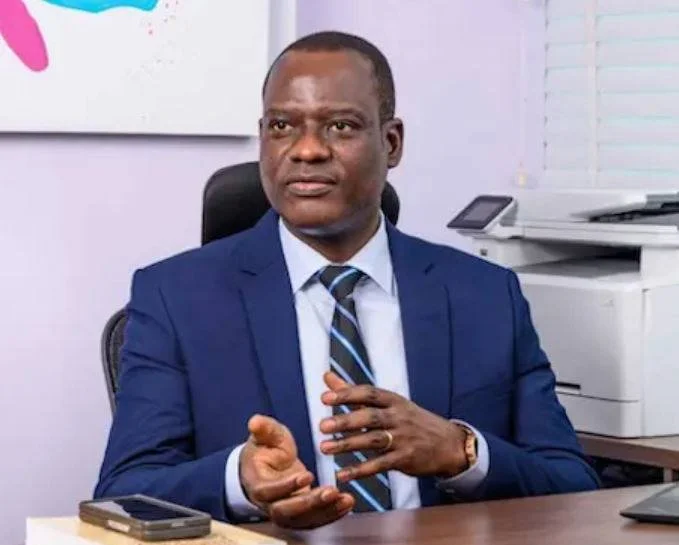
According to LBIC Managing Director Olusola Faleye, the company is aligning its long-term growth strategy with broader government objectives aimed at reducing Nigeria’s housing deficit and improving access to affordable home financing.
The institution disclosed that it recently paid its first dividend in corporate history, reflecting improved operational performance and stronger financial stability.
LBIC also reported significant growth across key financial indicators, including mortgage loan expansion and increased gross earnings during the 2025 financial year.
Mortgage Accessibility Remains Major Challenge
Housing finance experts continue to identify weak mortgage penetration as one of the biggest structural constraints affecting Nigeria’s real estate sector.
Mortgage access remains limited for many Nigerians due to high interest rates, low income levels, short loan tenures, and strict lending conditions.
Analysts note that many households struggle to secure long-term financing necessary for homeownership, forcing a large segment of the population into rental accommodation or informal housing arrangements.
Sanwo-Olu urged LBIC to intensify the deployment of technology-driven mortgage solutions capable of reaching low- and middle-income earners traditionally excluded from formal housing finance systems.
The governor noted that digital innovation and expanded retail lending could improve mortgage accessibility and simplify financing processes for prospective homeowners.
Housing Seen as Economic Growth Catalyst
The Lagos State Government continues to position housing development as a broader economic growth strategy beyond its social welfare implications.
According to Sanwo-Olu, housing stimulates activity across multiple sectors including construction, manufacturing, financial services, logistics, engineering, and building materials supply chains.
“Housing is not just a social need; it is an economic driver that creates jobs and supports small businesses across the value chain,” the governor said.
Industry experts note that increased housing investment could significantly support employment generation and urban infrastructure expansion within Lagos and other major Nigerian cities.
Analysts also argue that deeper mortgage markets could improve capital mobilisation, increase formal homeownership rates, and strengthen financial inclusion.
Economic Pressures Continue to Affect Housing Sector
Despite growing interest in housing finance reforms, Nigeria’s real estate sector continues to face substantial macroeconomic challenges.
Developers and mortgage institutions are contending with rising construction costs linked to inflation, currency depreciation, elevated energy prices, and increasing building material expenses.
High interest rates and broader economic uncertainty have also affected borrowing capacity for both developers and prospective homeowners.
Property analysts note that improving affordability within the housing market will likely require stronger regulatory reforms, lower financing costs, and improved access to long-term capital.
Public-Private Partnerships Gain Momentum
The Lagos State Government has increasingly relied on public-private partnerships to support housing development and urban infrastructure expansion.
Officials believe collaboration between government agencies, mortgage institutions, institutional investors, and private developers will be essential to scaling housing delivery in the state.
Several housing schemes and urban renewal projects have already been implemented through partnership-driven financing models aimed at improving affordability and expanding residential supply.
Analysts say institutional financing and mortgage market reforms could become increasingly important as Lagos continues to experience rapid urban expansion.
Technology and Digital Mortgage Systems Under Focus
LBIC’s expansion plans also align with broader industry efforts to modernise housing finance systems through technology and digital lending infrastructure.
Mortgage providers are increasingly exploring automated loan processing, digital verification systems, online applications, and data-driven risk assessment models to improve operational efficiency.
Industry stakeholders argue that digital transformation could help reduce processing delays, improve transparency, and increase access to mortgage financing for younger and underserved demographics.
Sanwo-Olu reiterated government support for initiatives designed to strengthen digital mortgage capabilities and retail housing finance systems.
Lagos State’s renewed push for stronger housing finance partnerships highlights growing recognition of the critical role mortgage accessibility plays in addressing the state’s widening housing deficit.
As urbanisation pressures intensify and demand for affordable housing continues to rise, policymakers and industry stakeholders are increasingly focusing on collaborative financing models, digital innovation, and institutional partnerships to improve homeownership opportunities.
Analysts believe sustained reforms, stronger mortgage systems, and expanded private sector participation will be essential to supporting long-term housing development and urban sustainability within Lagos and Nigeria’s broader real estate sector.
READ MORE