Lagos Strengthens Zero-Tolerance Policy on Building Collapse Amid Safety Concerns

Sanwo-Olu Administration Intensifies War Against Building Collapse
The Lagos State Government has intensified efforts to combat building collapse by strengthening enforcement of construction standards and implementing a zero-tolerance policy across the state. The renewed push, announced during a high-level management retreat, underscores the government’s commitment to safeguarding lives and property amid rising urbanisation pressures.
Zero-Tolerance Policy Gains Momentum
Officials reaffirmed that the state’s zero-tolerance stance on building collapse remains a central pillar of its urban safety strategy. The Head of Service, Bode Agoro, emphasised that the policy is a “non-negotiable” commitment designed to address recurring structural failures and restore public confidence in the construction sector.
The government stressed that enforcement must go beyond policy declarations, requiring strict compliance at construction sites and accountability among developers and contractors.
/ You Might Also Like /


Focus on Quality Control and Material Standards
A key element of the strategy is the clampdown on substandard building materials, which authorities identified as a major cause of structural failures.
Officials highlighted that the integrity of buildings depends heavily on the quality of materials such as concrete, reinforcement rods, and water used during construction. As a result, regulatory agencies have been directed to intensify testing and certification processes to ensure compliance with approved standards.
Strengthening the Role of Regulatory Agencies
The Lagos State Materials Testing Laboratory Agency (LSMTL) has been positioned at the centre of enforcement efforts. The agency is responsible for testing construction materials and ensuring that building projects meet safety requirements.
To enhance its capacity, the government is expanding laboratory infrastructure, deploying modern testing equipment, and establishing additional sample collection centres. Mobile compliance units are also being introduced to improve on-site monitoring and enforcement efficiency.
Addressing Urbanisation and Structural Risks
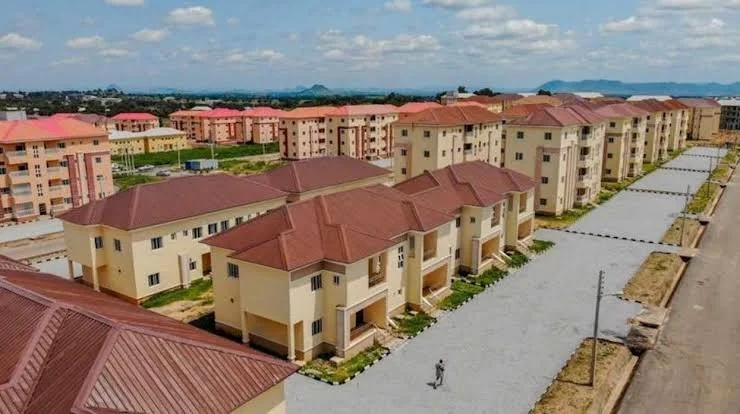
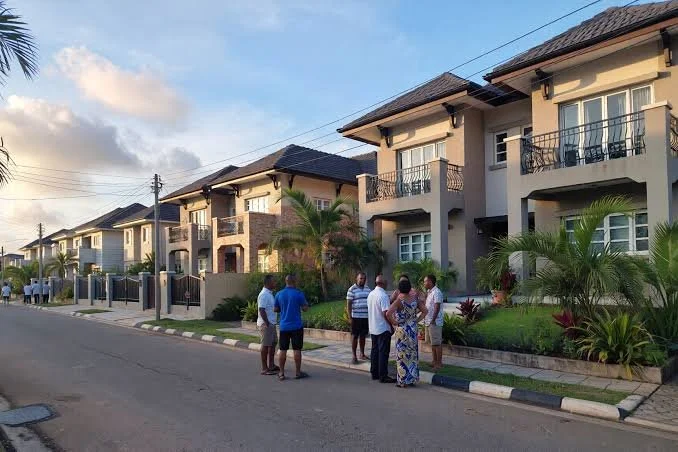
Lagos, as Nigeria’s commercial hub, continues to experience rapid population growth and urban expansion. Authorities noted that this growth increases pressure on infrastructure and heightens the risk of building failures if standards are not strictly enforced.
The government warned that contractors who fail to comply with approved regulations will face strict sanctions, signalling a tougher regulatory environment for the construction industry.
Call for Industry Collaboration
Stakeholders at the retreat emphasised the need for stronger collaboration between government agencies, developers, and construction professionals. They noted that sustained training, improved supervision, and adherence to global best practices are essential to achieving long-term results.
There were also calls for stronger legal frameworks to support enforcement and ensure that offenders are held accountable.
Outlook
The Lagos State Government’s intensified enforcement drive signals a more proactive and structured approach to tackling building collapse.
For investors, developers, and policymakers, the shift highlights increasing regulatory scrutiny within Nigeria’s real estate sector. Sustained enforcement, improved material standards, and institutional coordination will be critical to reducing structural failures and ensuring safer urban development in Lagos.
READ MORE