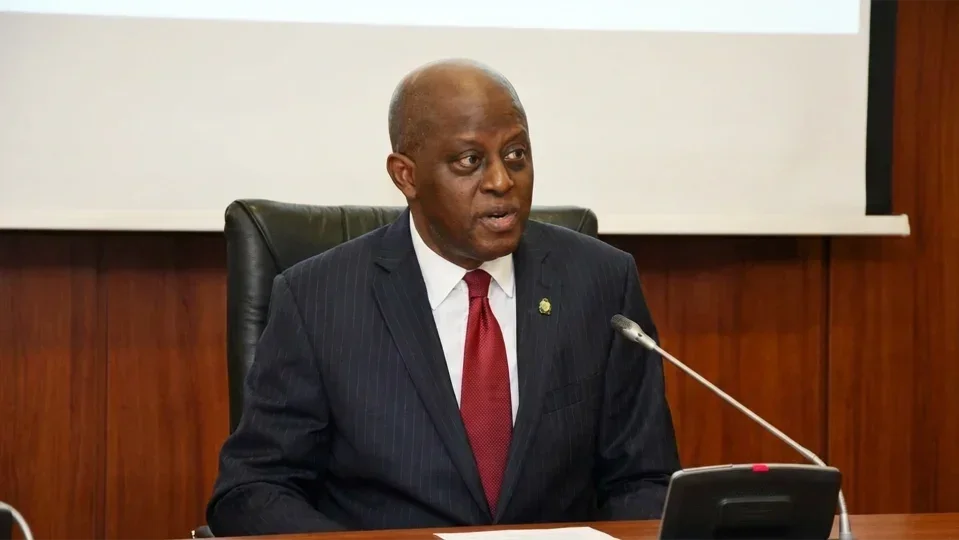
Falana Urges Lagos Govt to Develop Makoko Waterfront, Halt Demolitions
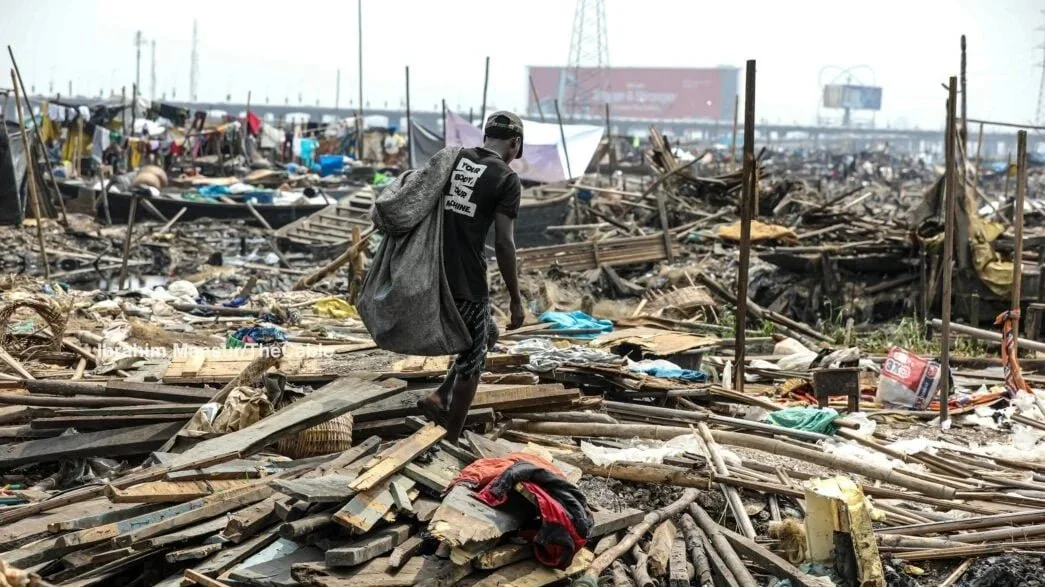
Makoko Demolitions Spark Debate as Falana Advocates Sustainable Development
Human rights lawyer Femi Falana has called on the Lagos State Government to halt ongoing demolitions in the Makoko waterfront and instead pursue structured development of the area. His intervention follows renewed demolition exercises that have displaced residents and intensified concerns over housing rights and urban policy in Lagos.
Call for Development-Focused Approach
Falana urged the government to prioritise inclusive urban development rather than forced evictions, arguing that waterfront communities such as Makoko should be integrated into Lagos’ broader development strategy.
He emphasised that Makoko, often described as one of Africa’s largest informal waterfront settlements, possesses economic and cultural significance that can be harnessed through proper planning and infrastructure investment
/ You Might Also Like /




According to Falana, redevelopment initiatives should focus on improving living conditions, providing basic services, and formalising property structures, rather than displacing vulnerable populations.
Legal Concerns Over Demolitions
Falana also questioned the legality of the demolition exercises, citing existing court rulings that restrict forced evictions in waterfront communities.
Previous judgments by Nigerian courts have declared similar evictions unlawful and directed authorities to engage affected residents on resettlement plans before undertaking any demolition.
He maintained that continued demolition activities without compliance with these rulings undermine the rule of law and expose affected communities to further hardship.
Humanitarian and Housing Implications
Recent demolition drives in Makoko have displaced thousands of residents, many of whom lack access to alternative housing. Reports indicate that families have been forced into precarious living conditions, with limited or no resettlement support.
Makoko, located along the Lagos Lagoon, is home to a large population engaged primarily in fishing and informal trade. Despite its economic activity, the community has long faced challenges related to infrastructure deficits, tenure insecurity, and environmental risks.
Falana argued that demolitions exacerbate these vulnerabilities and deepen inequality, particularly in a city already grappling with a significant housing deficit.
Broader Urban Development Debate
The issue highlights a broader policy tension in Lagos between rapid urban development and the protection of low-income communities.
Authorities have defended demolition exercises on grounds of safety, environmental concerns, and urban planning compliance. However, critics argue that such actions often prioritise high-value real estate development over inclusive housing solutions.
The Makoko case has become emblematic of this conflict, raising questions about land use, regulatory enforcement, and the rights of informal settlement residents in Nigeria’s commercial capital.
Outlook
Falana’s call for a development-led approach adds momentum to ongoing debates around housing policy and urban regeneration in Lagos.
For policymakers, the challenge lies in balancing infrastructure development with social inclusion and legal compliance. A shift toward structured waterfront development rather than displacement could redefine urban planning strategies in Lagos and set a precedent for managing informal settlements across Nigeria.
READ MORE