Petrol Prices Remain High Despite Crude Oil Decline - Marketers Hold Rates
Deregulation Debate Deepens as Petrol Prices Fail to Reflect Crude Drop
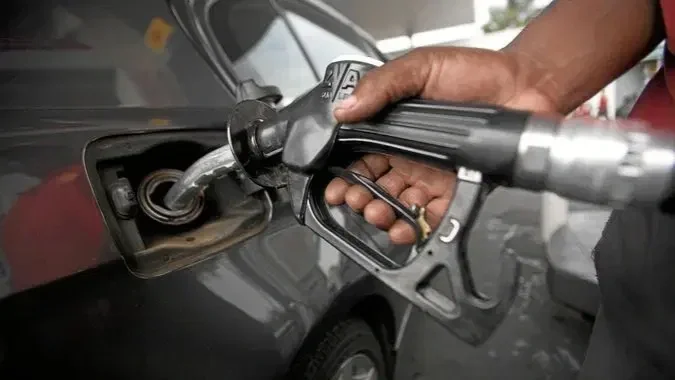
Petrol prices across Nigeria have remained elevated above ₦1,300 per litre despite a significant drop in global crude oil prices, raising concerns about pricing transparency and market efficiency in the downstream sector. Industry checks conducted in Lagos and Abuja show that marketers have yet to adjust pump prices in line with falling crude benchmarks.
Crude Oil Decline Fails to Reflect at the Pump
Global crude oil prices have dropped from approximately $130 per barrel to around $100 per barrel, driven by expectations of increased supply following potential diplomatic developments involving Iran.
However, this decline has not translated into lower retail petrol prices. Across major cities, filling stations continue to dispense Premium Motor Spirit (PMS) at rates ranging between ₦1,300 and ₦1,371 per litre.
/ You Might Also Like /




Depot prices have also remained relatively high, with operators selling between ₦1,270 and ₦1,285 per litre, indicating limited downward adjustment across the supply chain.
Market Dynamics and Pricing Lag
Industry stakeholders attribute the disconnect between crude oil prices and retail petrol costs to structural inefficiencies and market dynamics within Nigeria’s deregulated downstream sector.
While deregulation allows market forces to determine pricing, analysts note that adjustments in pump prices often lag behind global price movements. Marketers tend to respond quickly to increases in crude prices but delay reductions, citing inventory costs and supply chain complexities.
The President of the Petroleum Products Retail Outlets Owners Association of Nigeria (PETROAN) emphasised that pricing should reflect demand and supply conditions, reinforcing the role of market liberalisation in the sector.
Calls for Regulatory Oversight
The persistence of high prices has triggered calls for regulatory intervention. Energy analysts and consumer advocates argue that agencies such as the Nigerian Midstream and Downstream Petroleum Regulatory Authority (NMDPRA) and the Federal Competition and Consumer Protection Commission (FCCPC) should ensure fair pricing practices.
According to industry commentary, the current trend raises concerns about potential profiteering, as consumers bear the burden of high fuel costs despite easing global oil prices.
Economic Impact on Consumers and Businesses
Sustained high petrol prices continue to exert pressure on Nigeria’s economy. Transport fares have risen by over 50% in some areas, while businesses face increased operating costs due to reliance on fuel-powered energy solutions.
For households, the impact is reflected in rising living costs and reduced disposable income, further compounding inflationary pressures.
Outlook
The persistence of elevated petrol prices despite declining crude oil costs highlights ongoing structural challenges in Nigeria’s downstream petroleum market.
While deregulation aims to promote efficiency and competition, the current pricing trend underscores the need for stronger market transparency and effective oversight. Going forward, the pace at which marketers adjust prices in response to global trends will remain a key indicator of the sector’s maturity and competitiveness.
READ MORE