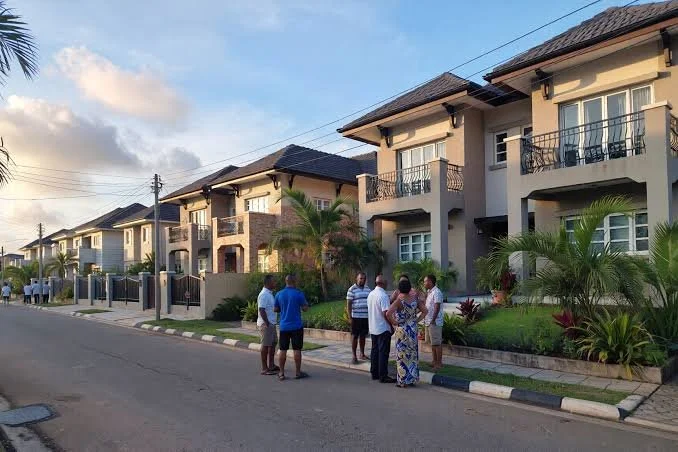
Lagos Reaffirms Commitment to Affordable Housing Finance
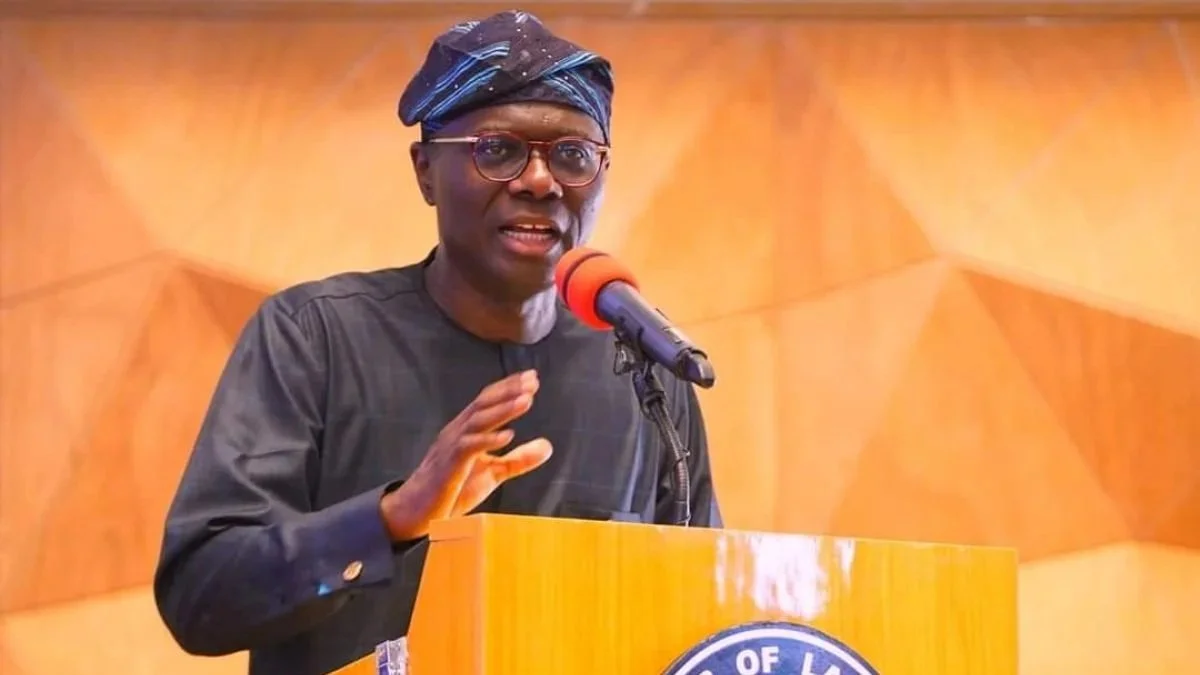
Lagos Targets Inclusive Housing Growth Through Improved Financing Models
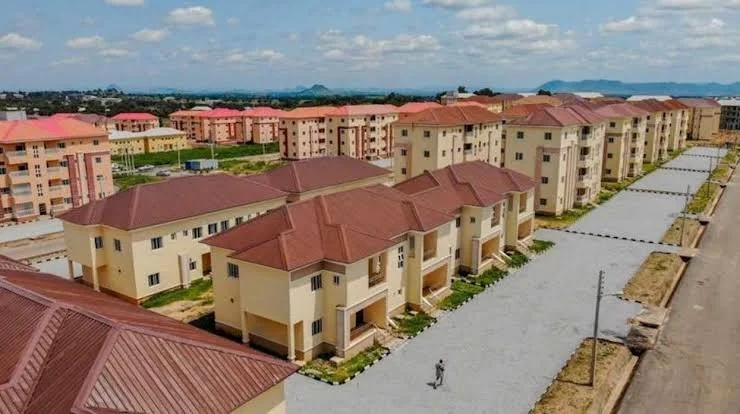
The Lagos State Government has reaffirmed its commitment to expanding affordable housing finance and improving access to home ownership as part of broader efforts to address the state’s growing housing deficit. Officials stated that stronger collaboration between government institutions, private developers, mortgage providers, and financial institutions remains essential to delivering sustainable and inclusive housing solutions.
/ You Might Also Like /


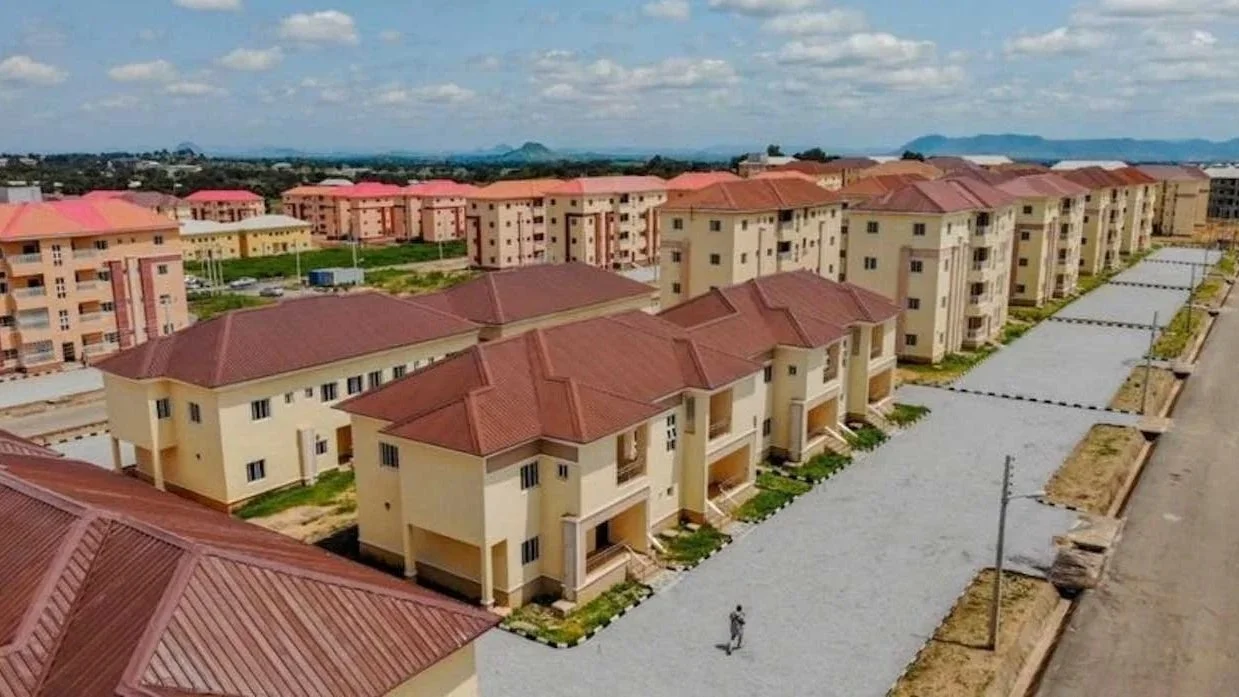

Government Pushes for Improved Housing Finance Access
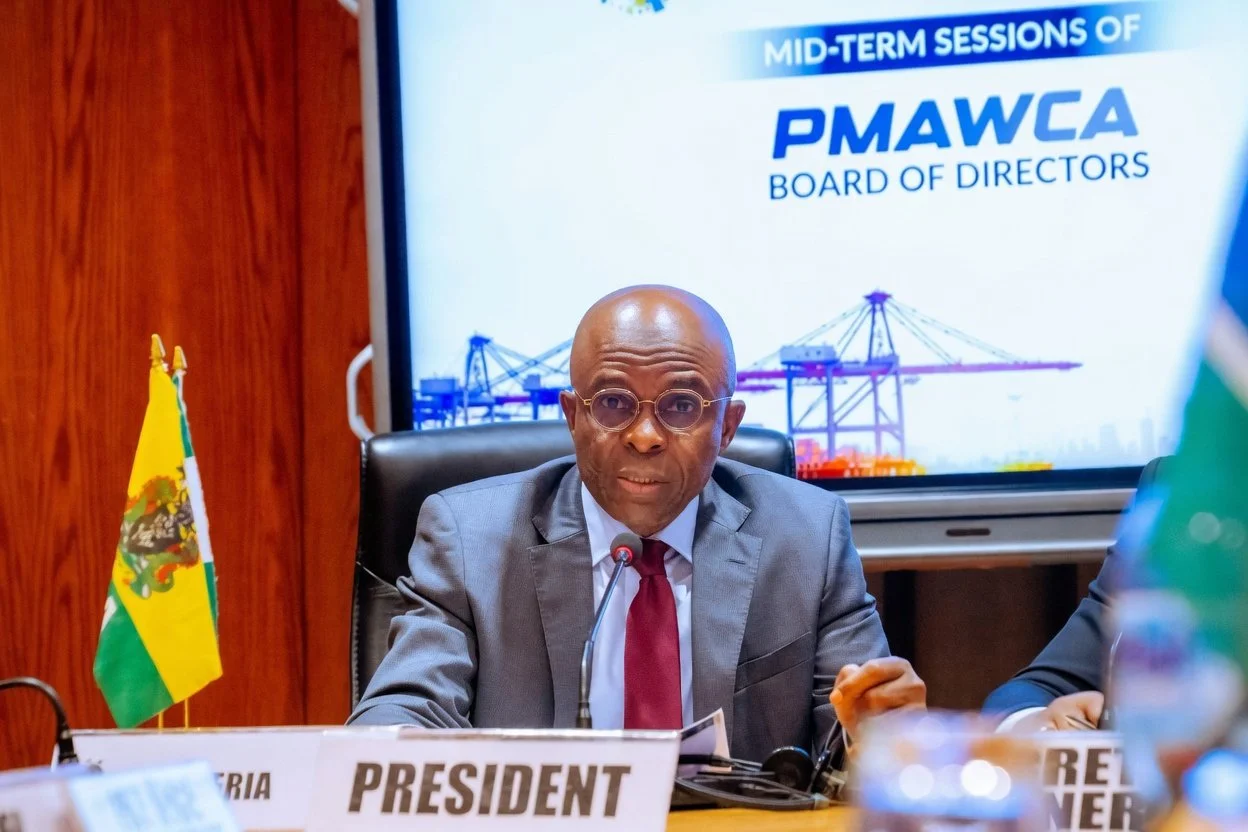
Speaking at a housing finance engagement in Lagos, state officials emphasised the importance of creating financing systems capable of supporting low- and middle-income earners seeking access to affordable homes. Authorities noted that high construction costs, inflation, limited mortgage penetration, and rising land prices continue to constrain housing affordability across the state.
The government stated that improving long-term housing finance mechanisms would help accelerate residential development while reducing pressure on the state’s rental market. Officials also stressed the need for innovative mortgage structures and flexible repayment models tailored to Nigeria’s economic realities.
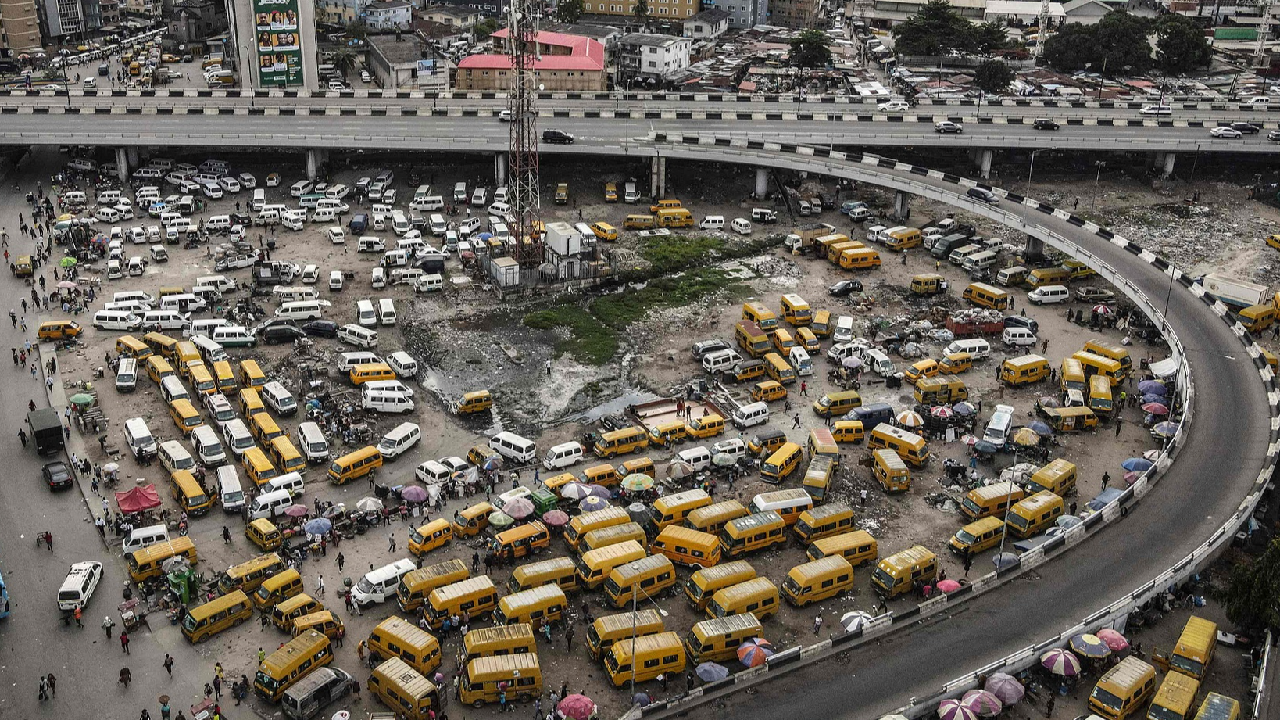
Lagos remains Nigeria’s largest urban economy and one of Africa’s fastest-growing cities, with demand for affordable housing continuing to rise due to rapid population growth and urban migration.
Public-Private Partnerships Seen as Critical
The Lagos State Government highlighted public-private partnerships as a central component of its housing delivery strategy. Officials stated that collaboration with developers, financial institutions, and housing finance agencies would improve investment flows into the residential sector and support large-scale housing delivery.
Stakeholders at the event noted that private sector participation remains crucial because government resources alone cannot meet the scale of Lagos’s housing demand. According to industry estimates, Nigeria faces a housing deficit exceeding 20 million units, with Lagos accounting for a significant portion of unmet demand.
Housing experts also emphasised the importance of reducing financing costs and strengthening mortgage institutions to improve affordability and stimulate investment in the residential property market.
Infrastructure and Urban Growth Challenges
Urban development specialists noted that affordable housing delivery in Lagos remains closely linked to broader infrastructure development. Challenges such as inadequate transportation networks, rising infrastructure costs, and limited serviced land continue to affect housing supply and project viability across many parts of the state.
Officials stated that ongoing infrastructure expansion projects, including road construction, transport upgrades, and urban renewal initiatives, are expected to support future residential growth corridors and improve housing accessibility.
Analysts further noted that sustainable housing development requires integrated urban planning capable of balancing residential expansion with transportation, utilities, environmental sustainability, and public services.
Mortgage Penetration Remains Low
Nigeria’s mortgage market remains significantly underdeveloped compared to global standards. Industry stakeholders stated that limited access to long-term credit, high interest rates, and low income levels continue to restrict mortgage uptake among prospective homeowners.
The Lagos State Government indicated that improving mortgage accessibility and deepening housing finance reforms remain priorities for increasing home ownership rates and stimulating residential construction activity.
Some experts also recommended expanding rent-to-own schemes, cooperative housing models, and alternative financing frameworks to support low-income households unable to access conventional mortgages.
Broader Economic Implications
The housing sector remains a significant contributor to economic activity, employment generation, and infrastructure development within Lagos and across Nigeria. Analysts noted that increased investment in affordable housing could stimulate construction, manufacturing, financial services, and related industries.
Improved housing finance systems may also support broader economic inclusion by enabling more households to build long-term assets through home ownership.
Stakeholders further stressed that addressing housing affordability challenges is critical for reducing urban inequality and improving living standards in rapidly expanding cities such as Lagos.
Outlook
Lagos State’s renewed focus on affordable housing finance reflects growing recognition of the need for sustainable, inclusive, and investment-driven housing solutions.
For policymakers, developers, and financial institutions, the challenge will be creating financing frameworks capable of supporting large-scale housing delivery while maintaining affordability for low- and middle-income residents. As urbanisation accelerates, housing finance reforms are expected to remain central to Lagos’s long-term urban development strategy.
READ MORE